Dreaming of a Pottery Barn look without the Pottery Barn cost? I’m revealing my high-low decorating strategy for achieving an upscale style on a budget!
Are you drawn to sophisticated home decor but would rather not spend a small fortune? I understand—I adore Pottery Barn’s enduring design, yet my finances don’t always align with my decorating ambitions. That’s why I’ve perfected the practice of combining investment pieces with affordable finds to achieve a polished designer appearance without overspending.
In this article, I’ll explain my reliable methods for combining splurges with bargains to enhance your home. You’ll see how I grounded my living room with a Magnolia rug purchased on sale, combined only two Pottery Barn pillow covers with budget-friendly Amazon alternatives, and gave thrifted finds an elevated appearance through a bit of DIY creativity. Whether you’re giving one room a makeover or furnishing an entire home, these ideas can help you create a thoughtful, luxurious atmosphere—without the premium price.
Ready to design a home that appears professionally styled while staying within a realistic budget? Let’s Go!
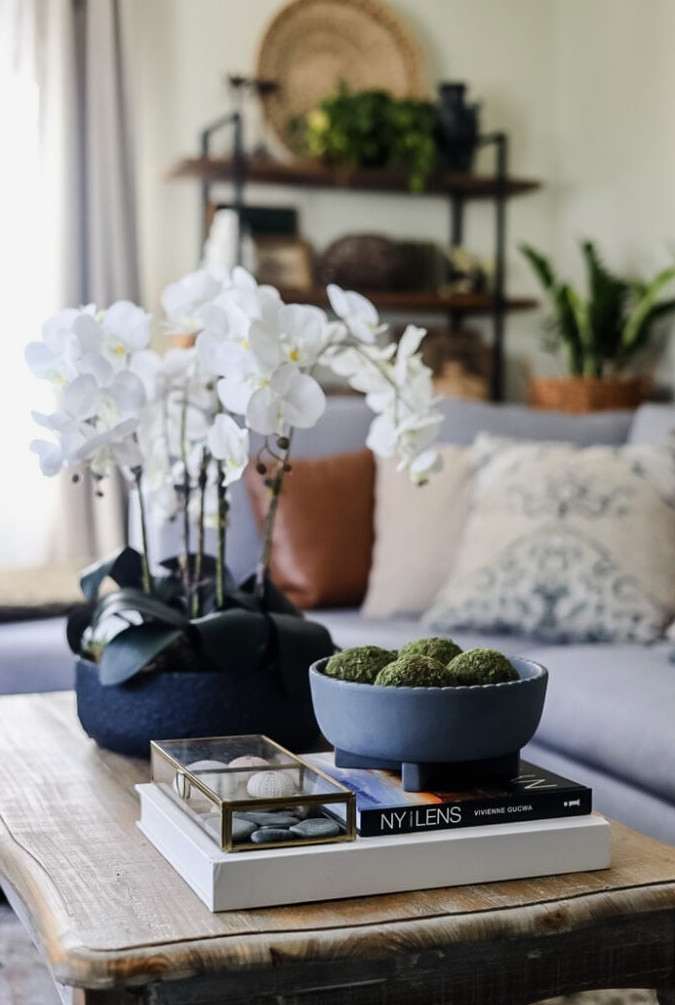
1. Begin with a Plan: Establish Your Style
You’ll want a definite direction before combining expensive and affordable pieces; otherwise, your room may appear random rather than thoughtfully assembled. Because I’m drawn to Pottery Barn’s traditional, inviting look, I wanted my living room to capture that same lasting charm without paying full retail prices.
Gather Inspiration
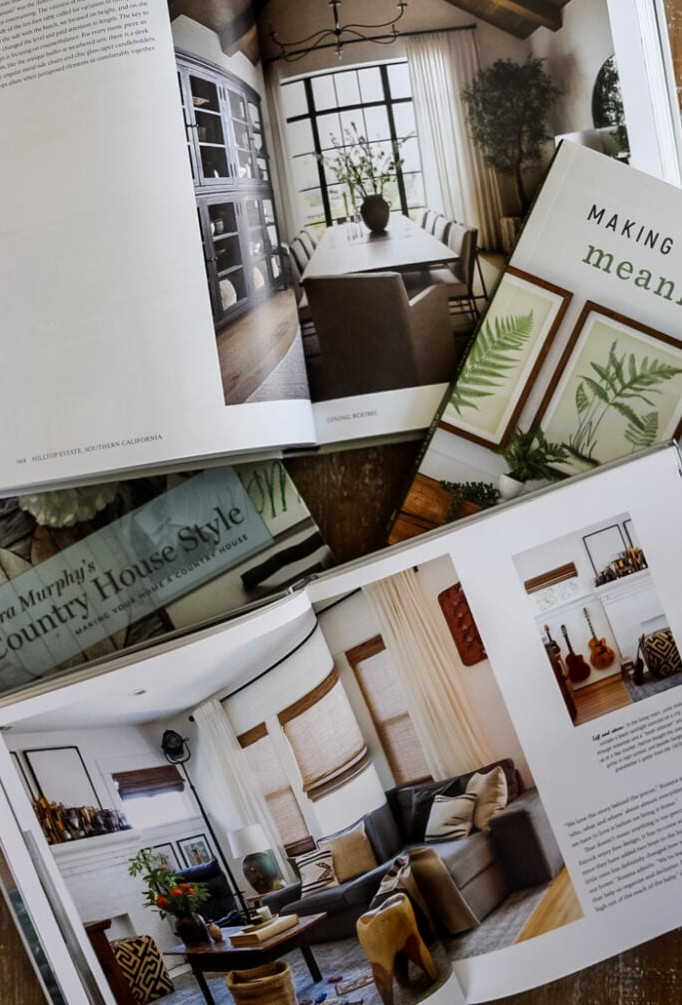
I began by collecting ideas from Pottery Barn catalogs, design books, and Pinterest. Pay attention to the details that appeal to you most: Do you prefer soft, neutral shades? Are you attracted to varied textures? Do you enjoy combining rustic touches with elegant finishes? For me, the answer was all three—rich wood hues, clean linen fabrics, and those charmingly imperfect vintage and thrifted details that give a room both character and refinement.
Try browsing online catalogs from retailers you love to gather ideas and identify the elements that catch your attention. Here is Pottery Barn’s newest catalog.
Favorite Home Decor Books
Put Together a Mood Board
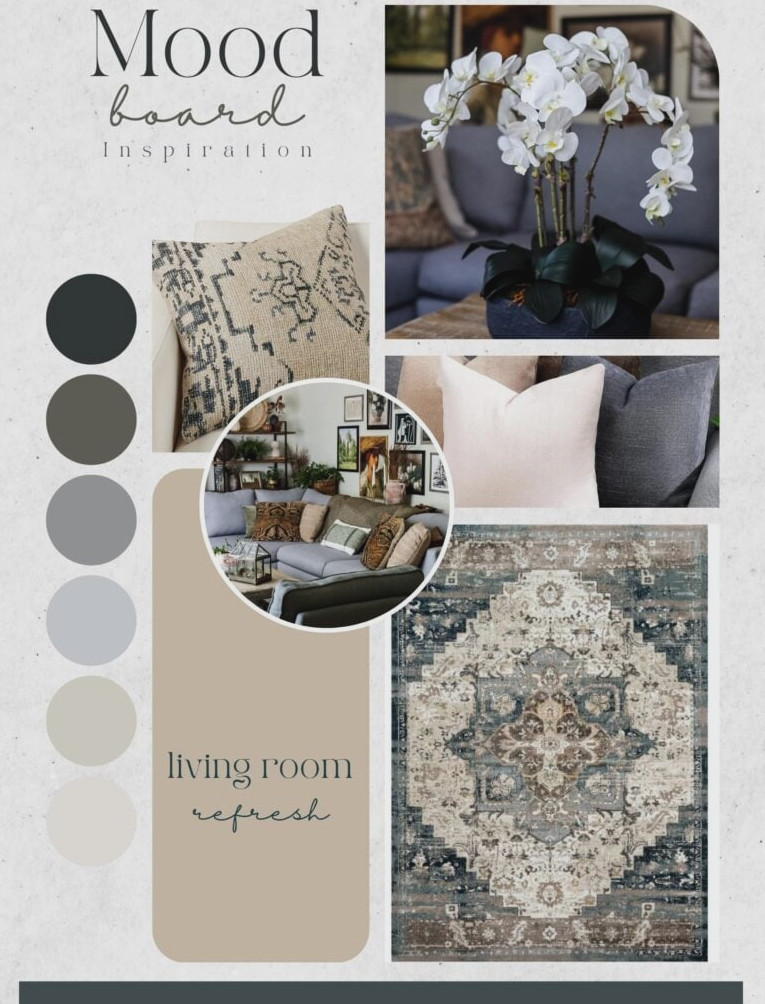
After defining my style—I’d describe it as “modern farmhouse with a hint of coastal influence”—I built a Pinterest board filled with rooms that instantly appealed to me and searched for the details they shared:
- A calm neutral foundation (such as warm cream walls and a cozy rug)
- Textural layers (including linen, wood, and metal)
- A handful of carefully chosen focal accents (such as a chunky knitted throw or a timeworn table)
Because I want to refresh a few elements in my living room, I designed a digital mood board in Canva, experimenting with various rugs, pillows, and shades alongside my current living room setup.
We’ll use this living room makeover to demonstrate how you can apply the high-low decorating approach in your own space.
Key Takeaways
2. Invest in Important Statement Pieces
To achieve a designer-inspired room while spending carefully, the key lies inintentionalsplurging. A small number of thoughtfully selected, well-made items can anchor your space—enhancing the surrounding pieces and helping even inexpensive finds feel purposeful. For this living room update, I chose two standout investments: 2 Pottery Barn throw pillow covers and a plush Magnolia Home rug.
A Brief Note About “Splurges”
I’ll be candid—when I describe items such as my coffee table, console cabinet, and tall bookcase (which are already in my living room) as “splurges,” I understand that your definition of expensive may not be the same as mine! I’m generally the first person to search for pre-owned
treasures (few things are more rewarding than tackling a satisfying refinishing project). Still, after spending months scouring thrift shops and Facebook Marketplace, sometimes that ideal item simply never turns up. That’s when I choose to purchase something new—usually while it’s discounted or when I have a coupon ( I absolutely won’t pay full price!). The important thing is to carefully decide which pieces deserve a larger portion of the budget.
3. Cut Costs on Trendy or Easily Replaced Pieces
Not every item in your home has to be a major investment—in reality, someshouldn’tbe! The key is figuring out where you can spend less without giving up your style. Here’s how I keep costs down on the “playful but temporary” accents that add character to a space:
Items Worth Saving On:
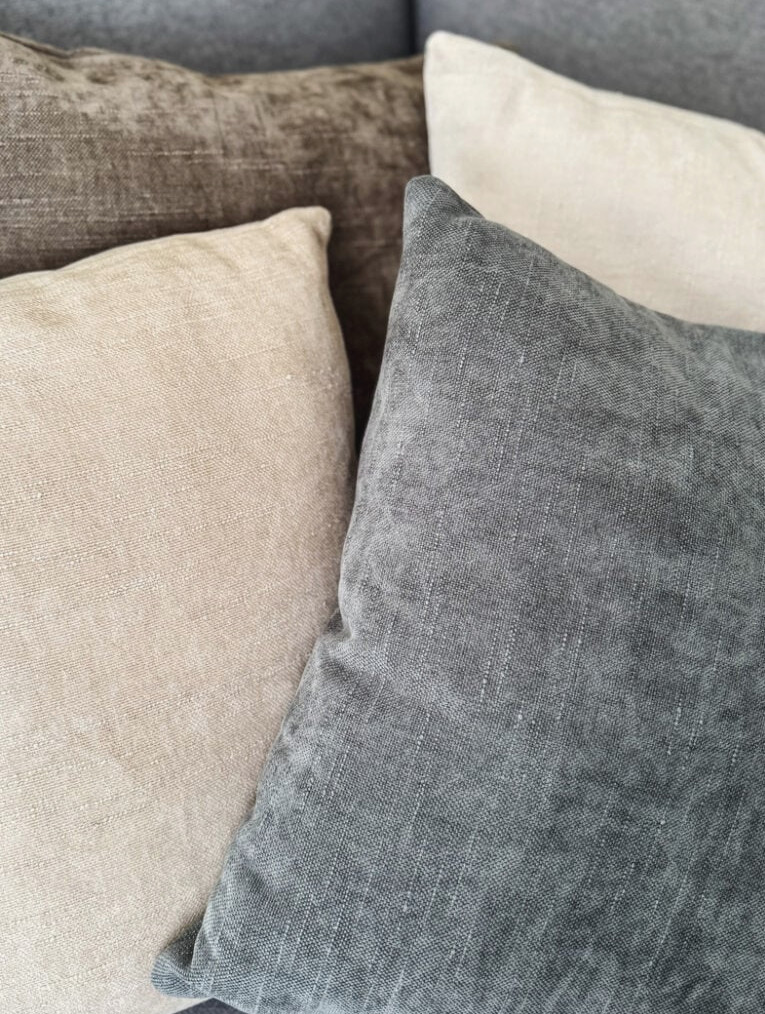
- Throw pillows(I adore my 2 oversized Pottery Barn pillows, while all the other covers come from Amazon!)
- Seasonal decor(such as festive wreaths or tabletop decorations, I will make myself)
- Trend-inspired pieces(for example: anything with a bold pattern, or the design everyone is loving this year)
- Lighting details(lamps, shades, plug-in sconces, or cordless candles)
Favorite Affordable Stores:
- Target:For fashionable, trend-conscious decor at reasonable prices (the Project62 collection is especially worth browsing).
- Walmart: The Better Homes & Gardens, My Texas House, & Beautiful collections consistently look polished and reflect current styles.
- HomeGoods:Where I find upscale-looking accents (such as faux marble trays or ceramic vases) without the designer price tag.
- Amazon:For essentials like pillow inserts, uncomplicated curtains, and neutral rugs—just make sure to study the reviews!
- IKEA:The ultimate destination for inexpensive frames, textiles, and versatile storage that coordinates effortlessly with more expensive items.
Clever Ways to Save:
- Combine expensive and affordable pieces in one category:Match one designer pillow with several inexpensive ones (just as I did with my Pottery Barn/Amazon pairing).
- Recreate the trend yourself:Consider spray-painting secondhand candlesticks or refreshing an old side table rather than purchasing something new. (This is the method I enjoy most!)
- Shop the sales:Visit HomeGoods during the week when fresh deliveries arrive, or browse Target’s seasonal clearance section.
Why This Works:Lowering the cost of short-lived accents leaves more money available for important splurges (such as my Magnolia rug!). Since these items are frequently swapped out, nobody will realize—or mind—that they weren’t expensive!!
Coming Next:Ways to give those inexpensive finds a luxurious appearance (hint: texture makes all the difference!)…
Main Points
4. Layer Textures and Materials to Create Dimension
Texture is the secret ingredient that helps a high-low combination appearluxurious—rather than inexpensive. The goal is to build contrast and layers that seem thoughtfully gathered over the years. This is how I apply the idea throughout my own home:
How I Combine Textures:
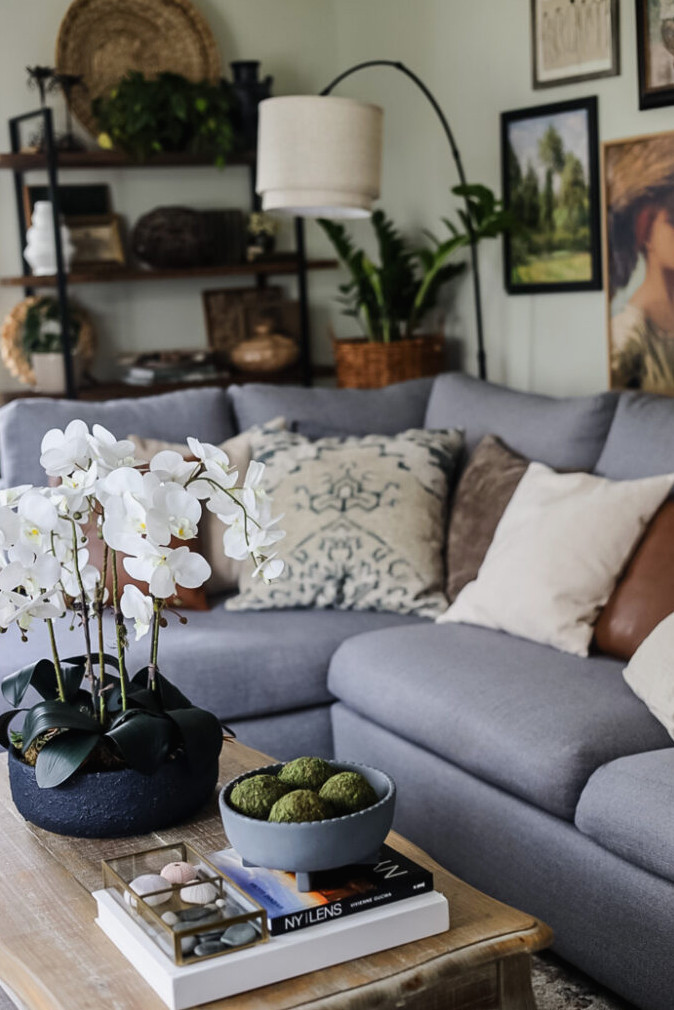
Pillows:I combined 1 Pottery Barn pillow cover(a splurge) with chenille and linen Pottery Barn-inspired pillow coversfrom Amazon (a steal). Together, they make the entire arrangement feel more deliberate—as though every piece was selected with care.
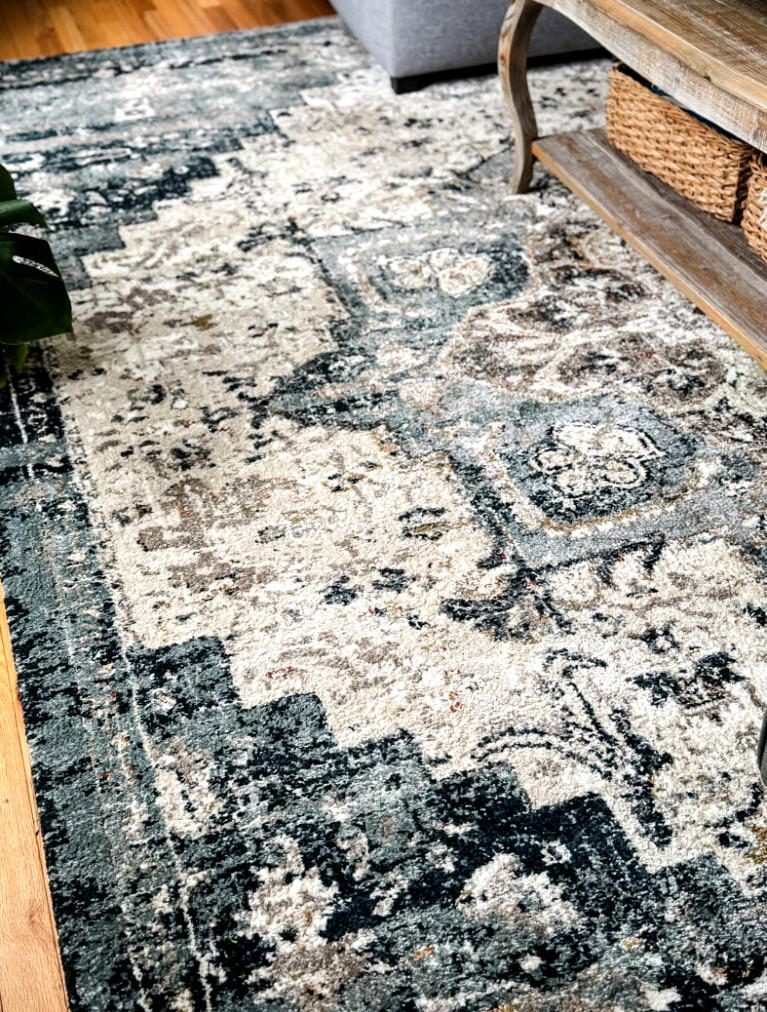
Sectional + Rug:Warmth is added to my soft gray sectional (a wallet-friendly find) by the rich tones in my Magnolia rug (an investment piece). This contrast prevents the room from appearing dull.
Coffee Table + Accessories:Thecoarse, natural grainof my wooden coffee table complements a DIY orchid display and a selection of other accents.
Simple Ways to Introduce Texture:
Layer rugs:Place a natural flat-weave fiber rug (such as seagrass or jute) beneath a plush one for contrast.
Mix hard and soft surfaces:Set your fabric sectional beside a woven rattan table or a metallic lamp.
Play with finishes:Blend matte black frames with brass candleholders and concrete coasters (arrange them all in a rattan tray for an extra layer of texture!)
Behind my sectional, my narrow console table turned into the ideal place to experiment with mixed textures. This is how I added visual appeal:
- Metallic contrast:Matte black iron candleholders
- Organic warmth:Woven boxes arranged in a stack
- Layered dimension:books featuring attractive spines
- Natural pop:A lively magenta begonia (its colorful foliage brings energy while preserving the natural theme)
This small arrangement demonstrates that you don’t require a lot of room – only thoughtful texture pairings – to bring dimension to a space. And the best part? I reused everything from other parts of my home!
Why This Strategy Works:
Texture draws attention away from price labels. Nobody will wonder if your $30 Amazon throw pillow covers are “cheap” when one is placed beside a luxurious chenille cover—they’ll simply notice thedimension.
Main Takeaways
Coming Up:How I transform thrift store treasures into Pottery Barn-style pieces (including before-and-after photos!)…
5. Bring in Thrifted or Vintage Pieces for Character
Few things give a room as much personality as thrifted and vintage items—and with some imagination, they can appear just as stylish as their expensive counterparts. As a Pottery Barn enthusiast working within a budget, I’ve learned how to turn secondhand treasures into polished decor. Here’s my approach:
My Favorite Thrifted Makeovers
Below are several of my favorite affordable secondhand and thrifted ideas featured in this room.
1. The Designer Catalog-Style Orchid Arrangement
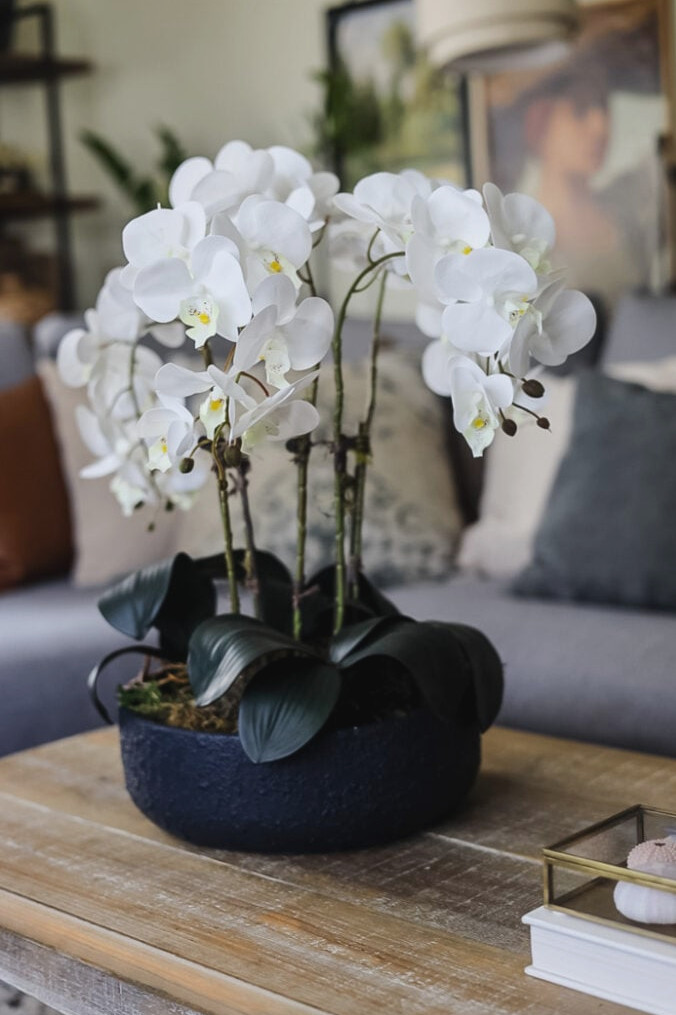
- The Lookalike:The faux orchid display on my coffee table appears to have come straight from a PB catalog
- The Truth:A $7 thrifted planter + faux orchids (Amazon) + moss (Amazon)
- The Difference:PB’s arrangement costs $379…mine came to just over $30!

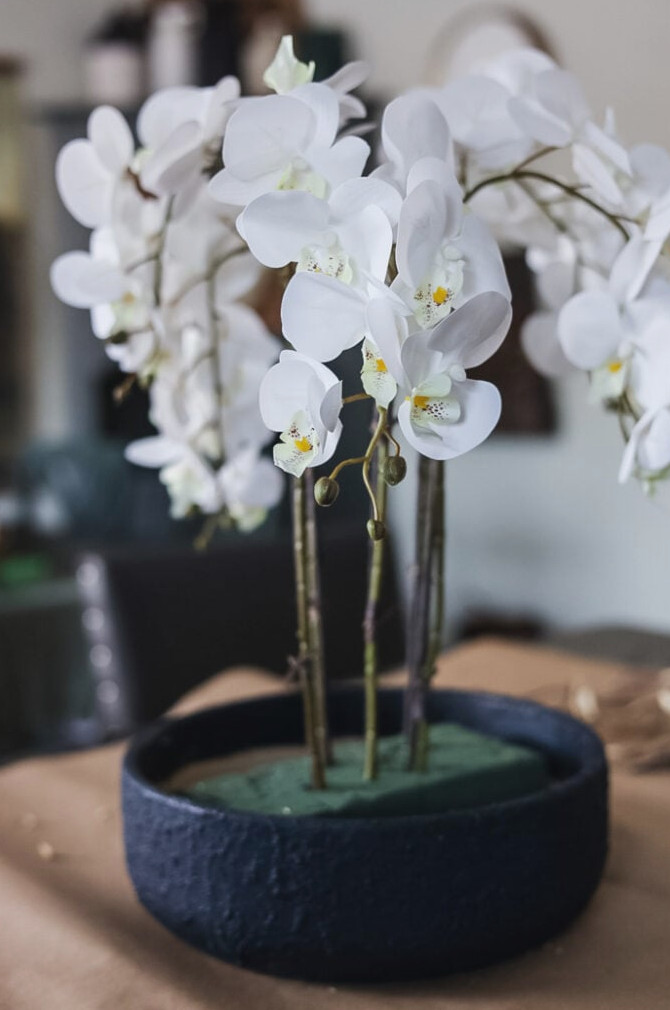
Discover how to make your own orchid display! This project is an ideal way to bring an affordable luxury look into your home!
Chic entryway console
Our entryway table sits beside the front door, positioned between the living room and kitchen in our compact home. It gives us another opportunity to add extra decoration to the area. This fashionable arrangement? Nearly everything came from thrift stores! The oversized arched mirror was a $20 clearance bargain from Lowe’s!!
- Layered Artwork- 2 secondhand black & white art prints ground the left side of the table.
- The metal urn originally had a bronze finish, so I gave it a fast DIY update for a more refined brass appearance.
- A rattan basket & trailing plant bring in an additional touch of texture.
To achieve a designer-inspired appearance on a budget, place tall branches or trimmings from your yard in a vase. It couldn’t be easier!
My Thrift Shopping Guide
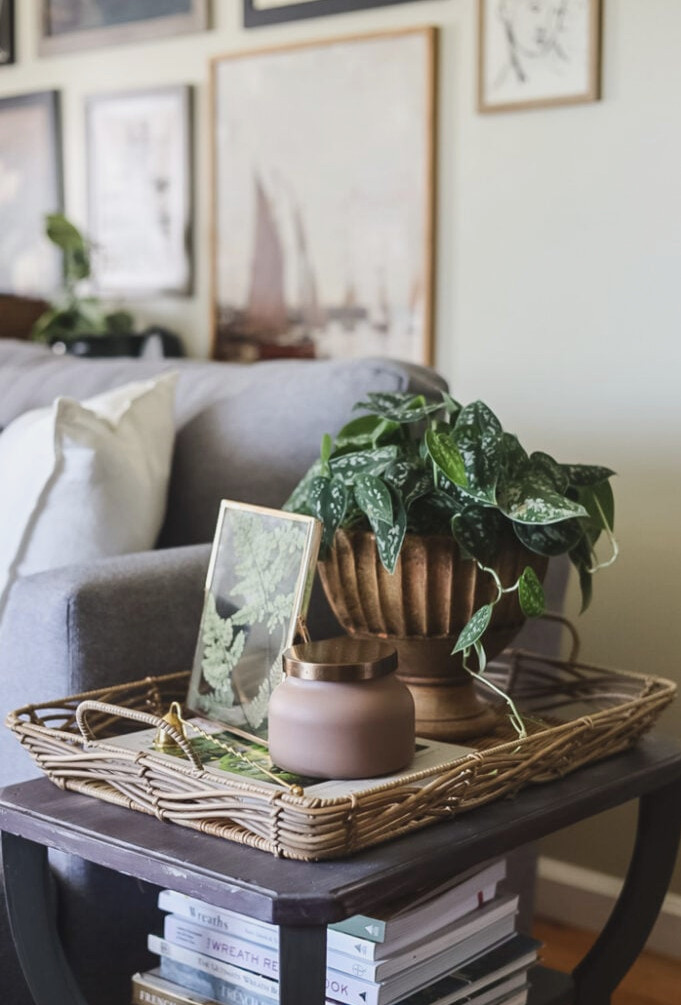
See the Possibilities:Search for sturdy wood, distinctive silhouettes, and timeless proportions.
Prioritize the Structure:Unappealing finishes can be repainted—unstable legs are much harder to repair!
Blend Vintage with Contemporary:Combine older treasures with updated furnishings (such as my mid-century side table & gold floating framed ferns)
Discover How to Thrift Like an Expert
Main Lessons
6. Style Accessories with Intention
Accessories act as your home’s jewelry—the final details that bring a room into harmony. Still, as with clothing, balance is essential. Here’s how I combine expensive-looking and budget-friendly accessories for a refined, designer-inspired result:
My Accessory Strategy
1. Design Your Own “Statement” Accessories.
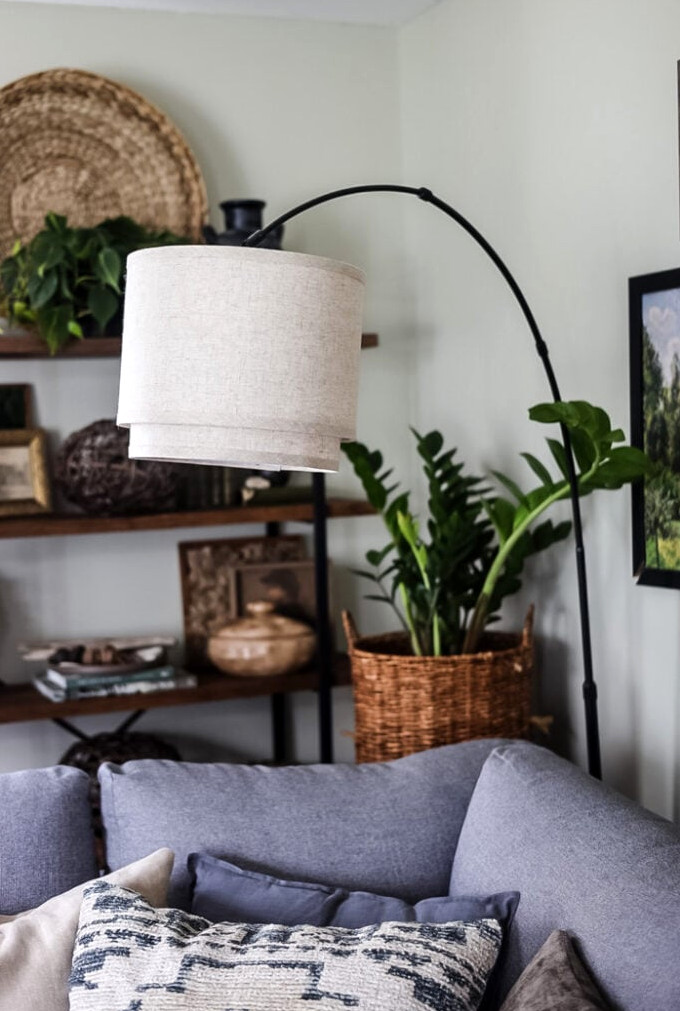
Here’s what I mean: aim to include 1 or 2 accessories in your room that make a big impact and pack aimpact, and as soon as you enter, your gaze goes straight to them.
- Example:My Pottery Barn-inspired orchid display and the arched floor lamp (another PB-inspired piece)
- Why:These elements serve as focal points—and enhance everything surrounding them.
2. Complete the Look with Affordable Finds
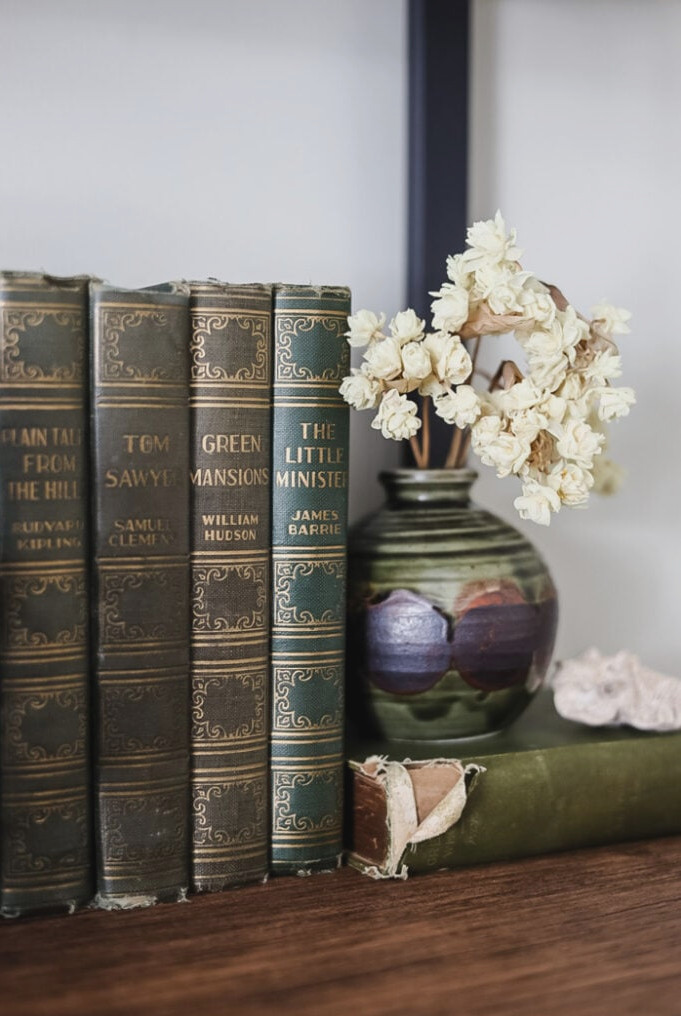
- My Combination
- Plenty of books (including some thrifted finds) serve as decorative styling accessories. Try stacking them horizontally on a table to form the foundation of a vignette.
- Candlesticks bring in height while offering a simple way to introduce a touch of metallic texture.
- Vases: An effortless way to bring height into your room. Add branches or seasonal stems. You can also place a small bud vase on a bookshelf.
3. Natural Materials Anchor Every Room
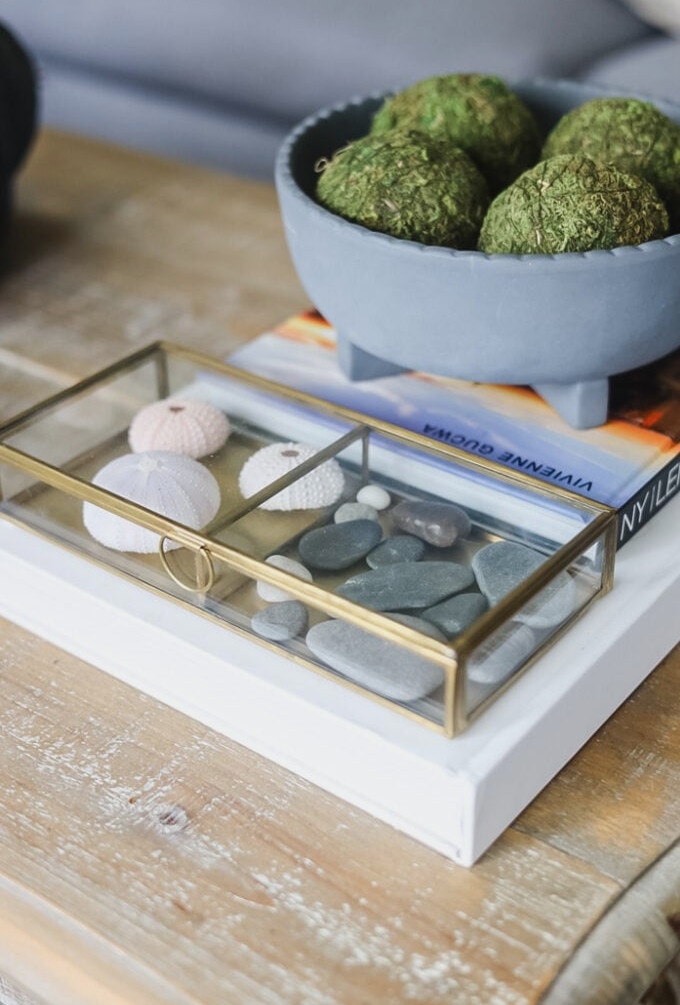
Here’s the design principle I follow: Every styled surface in my living room features at least one organic detail. It might be:
- Woven textures(wicker baskets, rattan trays)
- Wood tones(driftwood, teak root bowl, wood frames)
- Natural objects(found seashells, dried moss, stones)
These natural accents bring warmth and help the room feel genuine—without needing a decor store. The best part? Most came from thrift shops, outdoor finds, or repurposing items from elsewhere in my home.
4. The Styling Trick: Arrange with Purpose
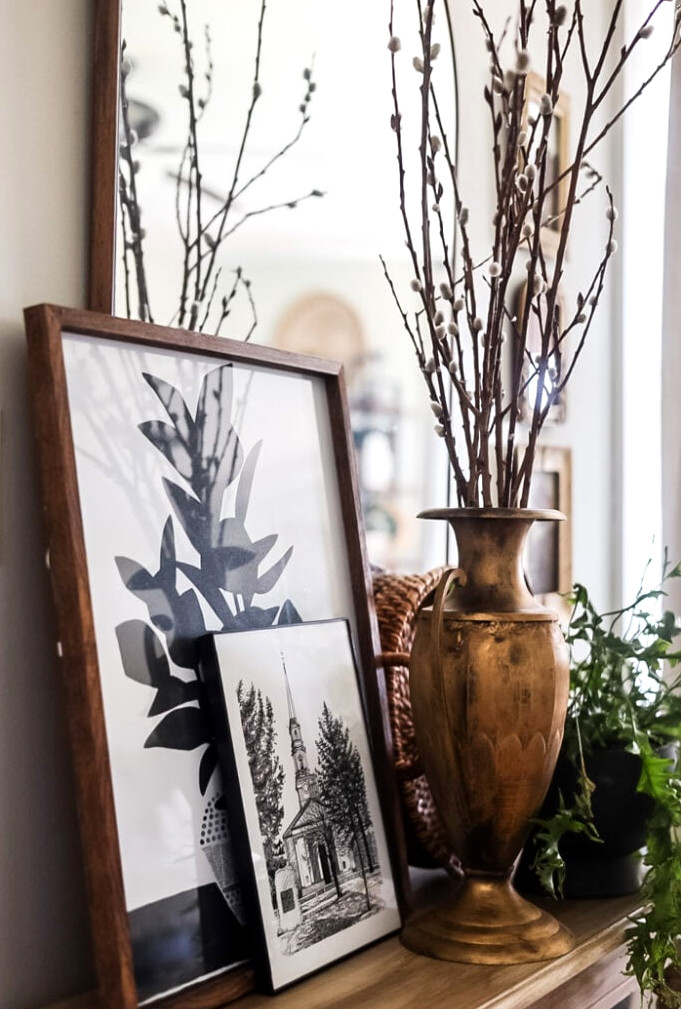
- Vary Heights: Tall, medium, and small.
- Odd numbers: Build vignettes with 3 or 5 pieces
- Shimmer: Introduce a subtle metallic accent
This entry table features 5 pieces (an odd number). I used a tall brass-colored urn (the shimmer) filled with even taller branches, medium-sized art prints, and a houseplant as the smallest item (which creates the height variation)
5.Artwork Doesn’t Need to Be Expensive
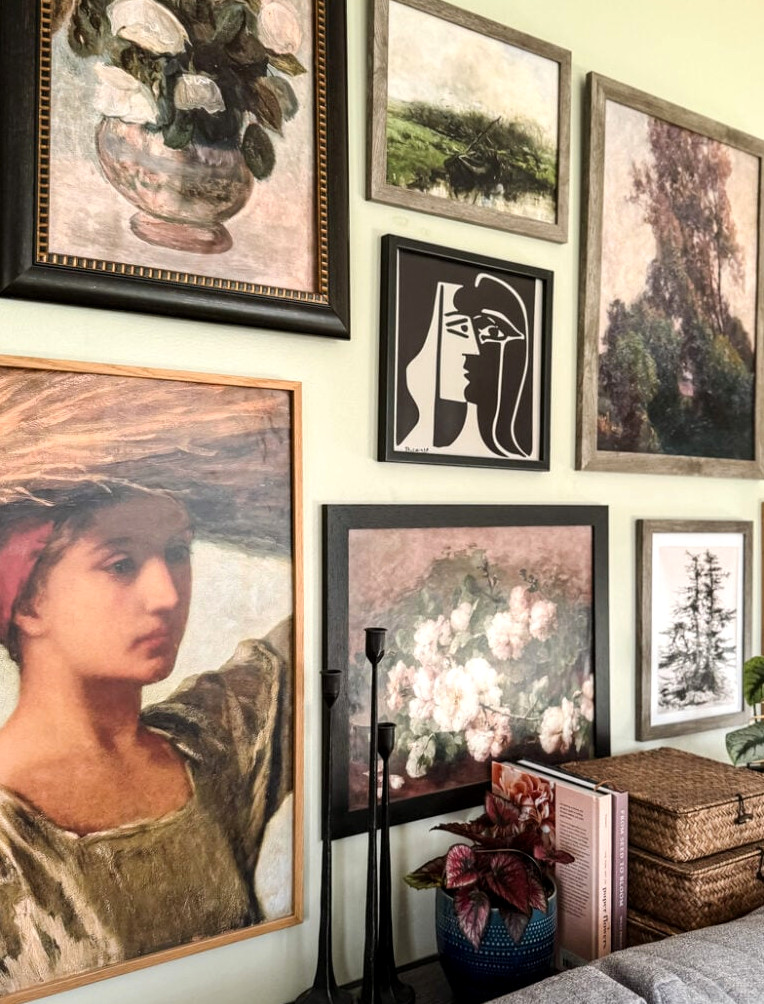
Artwork belongs in every room to achieve that designer-inspired appearance we all adore! However, it doesn’t need to consume your budget. I assembled a large gallery wall affordably by using repurposed andsecondhand frames and printed my artwork.
- Print your own pieces
- Browse nearby thrift shops: search for artwork as well as frames (even when the art is terrible, the frame may be wooden)
- Abstract: Choose a few acrylic paint shades that coordinate with your room, then make your own art on a large blank canvas!
Discover how I made this affordable gallery wall and grab the complimentary downloads too.
A Tried-and-True Budget Accessory Formula
Blend materials:Combine wood, metal, ceramic, and organic fibers
Change proportions:Combine petite items (such as a dish) with medium pieces (a vase) and oversized ones (a basket)
Bring in life:Add greenery (fresh or faux) to create a revitalized feel
Coming Up:How to distribute your high- and low-priced pieces across the room…
Main Lessons
8. Create High-Low Balance Across the Room
The appeal of high-low decorating isn’t limited to separate pieces—it depends on how the entire space worksas one. Here’s how I bring balance to my living room while staying within budget:
How I Balance It
1. Spread Out Your Splurges
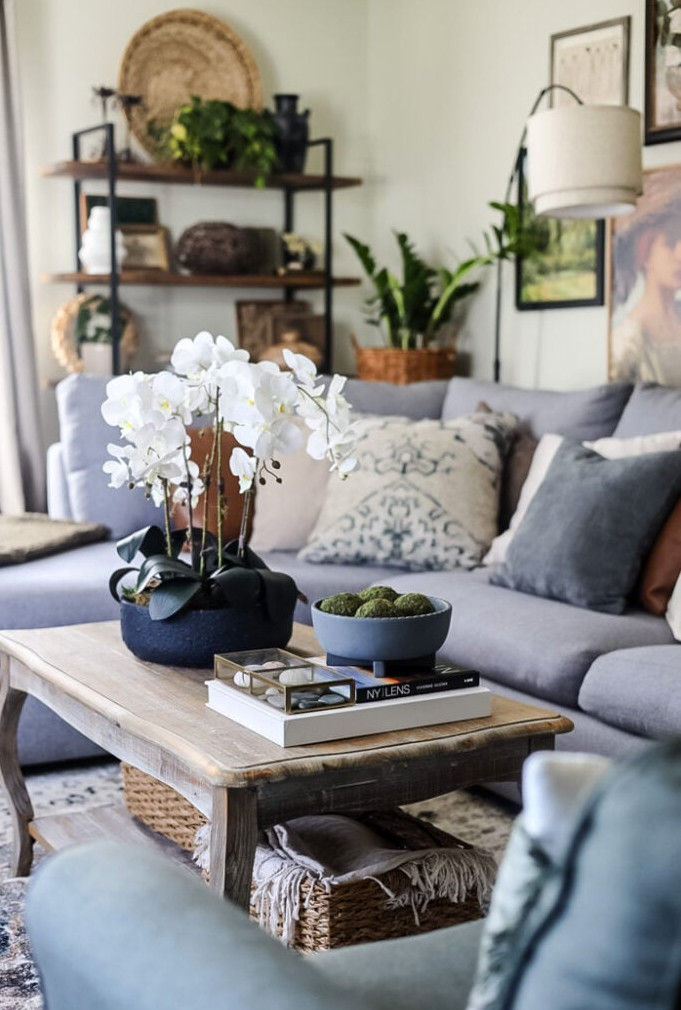
- I position my investment items (Magnolia rug, Pottery Barn pillows, wooden coffee table) with intention to ground the room
- Affordable discoveries complete the look without drawing focus away
2. Establish Visual Balance
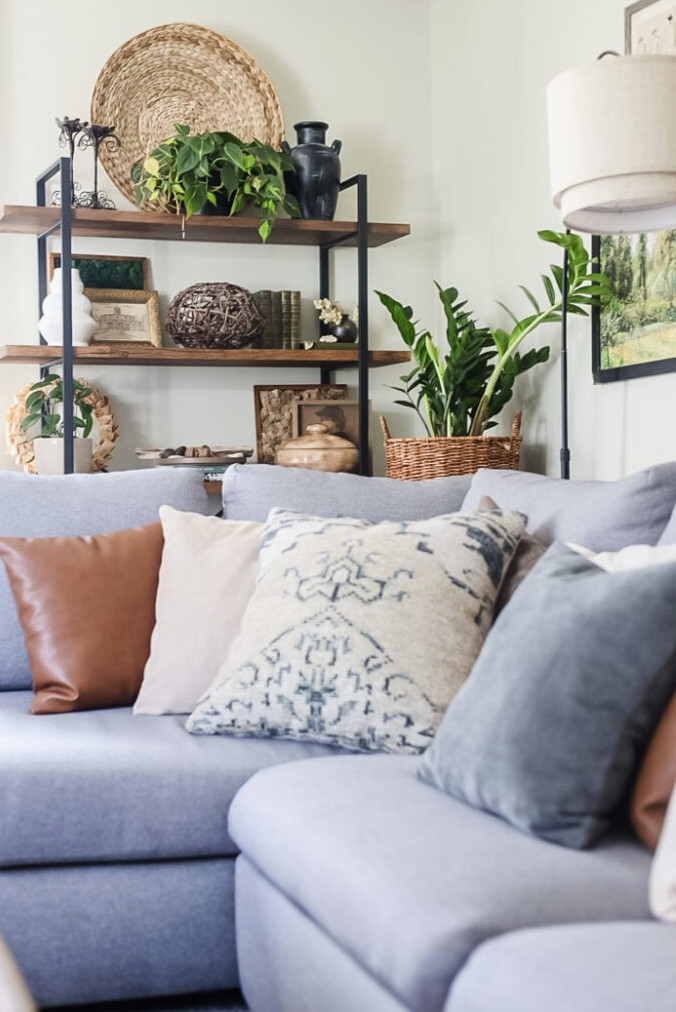
- For instance:Behind my sectional, I decorate the tall bookcase (splurge) with secondhand accents to balance the expense
- Helpful tip:Each time I splurge, I balance it with 2-3 reasonably priced pieces close by
3. Repeat Finishes for Unity
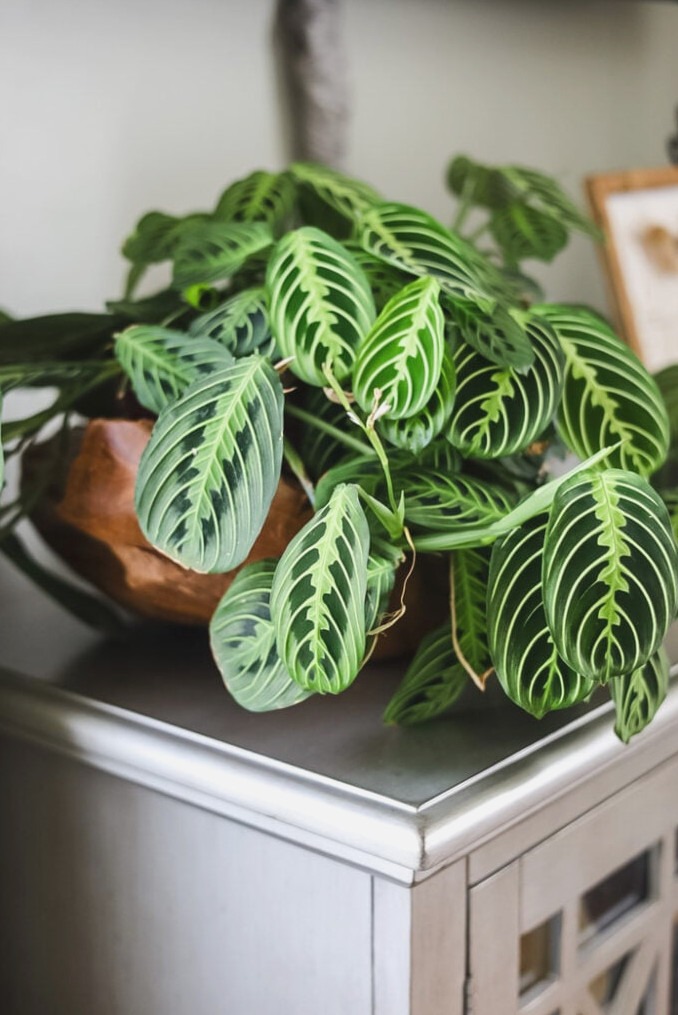
- Woven elements (throughout both my trays and baskets)
- Wood shades (found in the coffee tableandsecondhand frames)
- Metallic details (seen in the candlesticksandlamp base)
The “Visual Flow” Check
I pause to survey the room:
Does any area appearoverlyexpensive oroverlycheap?
Are the colors and textures spread out consistently?
Can my DIY/temporary items stand confidently on their own?

Main Points
How a Designer Combines High and Low Decor
Creating a stylish home doesn’t require trading beauty for affordability—or spending a fortune to achieve an inviting space. When you blend high and low pieceswith intention, your home can feel refined, individual, and wonderfullyyou.
Here’s the key:It isn’t the cost of each piece—it’s how everything works together.
- Spend more onclassic foundation pieces(such as my Magnolia rug or Pottery Barn pillows)
- Cut costs onfashionable or easy-to-replace accents(Target and thrift shops to the rescue!)
- DIY, shop secondhand, and reuse pieces to bringpersonality without overspending
- Pull it all together withthoughtful styling(texture, proportion, and placement make a difference!)
The greatest benefit? This method allows you todevelop your style graduallywithout rebuilding the room from the beginning. Replace a few affordable accents, bring in another secondhand gem, or update the space with paint—your home will keep feeling current, but neverartificial.
Your turn now!
Have you blended high and low decor in your own home? I’d love to see your favorite splurges and bargains and feature you in the Reader’s Spotlight gallery. Email a photo to jennifer@cottageonbunkerhill.com
Want more Looks For Less? Take a look at this reader favorite!!
Designer Tips for Combining High & Low Decor: Main PointsBegin with a Strategy☐ Describe your style using 3 defining words (for example,“cozy, layered, welcoming”) Splurge with Purpose☐ Choose 2-3foundational piecesfor each room (such as a rug, sofa, or statement light) Save on Fads☐ Find fashionable decor at affordable retailers (Target, Amazon, HomeGoods) Layer Different Textures☐ Use at least 3 materials throughout each room (for example, wood + linen + metal) Thrift Like an Expert☐ Search for solid wood, sturdy construction, and timeless silhouettes Accessorize Thoughtfully☐ Arrange objects in uneven numbers (sets of 3 or 5) ☐ Mix up the heights (tall vase + medium book stack + small dish) Keep the Room Balanced☐ Spread higher-priced pieces throughout the room (avoid “costly corners”) Extra Designer Tips☐Take pictures of your roomto reveal uneven areas |