Each spring, a new wave of people decides that this will finally be the year they start gardening. Perhaps the seed catalogs began arriving in January. Maybe they spent a little too much on $18 grocery-store bouquets. Or maybe they recently purchased a home with a bright, sunny backyard and took it as a sign from the universe.
No matter what led you here, welcome! Gardening is among the most fulfilling activities I do, but it can also be incredibly humbling. After years of cultivating everything from zinnias to tomatoes in my small New England garden, here’s what I wish someone had taken me aside and explained before I began.
10 Lessons I’d Share With a First-Time Gardener
Starting your first garden? Keep it modest, improve the soil before putting anything in the ground, and don’t hesitate to seek advice from your local nursery. Water your plants at their base early in the day, maintain a journal, photograph your progress throughout the season, and allow yourself to learn along the way. Gardening involves trial and error for everyone, including seasoned gardeners.
Hello! I’m Jennifer from Cottage on Bunker Hill. I’ve been a home gardener for more than 20 years, and for the past 5, I’ve focused on our cut flower garden. Through plenty of experimentation, mistakes, and dirty knees, I’ve discovered what truly works. My goal is to grow flowers with intention, whether they’re destined for a vase on the kitchen table or for long-lasting projects, using straightforward, repeatable techniques that work within a busy, everyday lifestyle.
10 Sincere Tips for New Gardeners
Planning to begin a garden? These are 10 lessons I wish someone had shared with me when I was starting out.
1. You’re Going to Lose Plants! That Isn’t Failure—That’s Gardening.
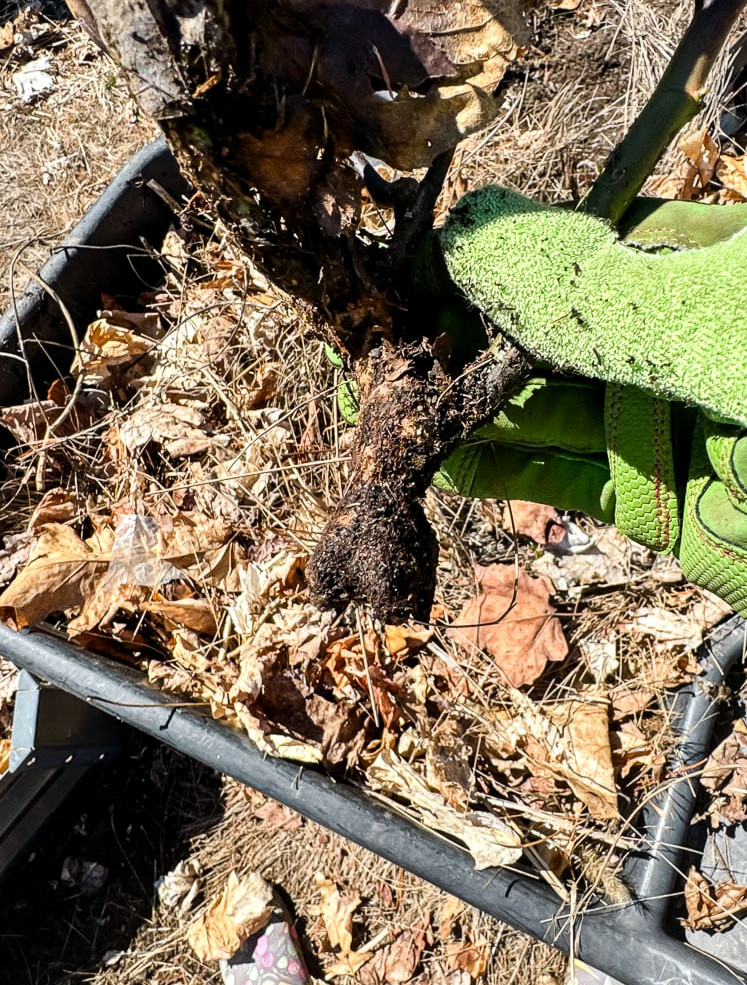
Every gardener has a plant graveyard. Last year, mine included a beautiful rose bush and roughly 15 other perennials that voles had ruined over the winter (they remain underground during winter and consume the roots). Plants can perish for reasons unrelated to your abilities, while others continue growing despite being completely ignored. Once you accept that certain plants simply won’t survive, you’ll be able to enjoy the entire experience much more.
Two years ago, not one snapdragon transplant I had raised from seed survived the move into the garden. Not even ONE!!! Last year, every seedling I started grew successfully and then flourished outdoors.
I follow a personal three-strikes rule, much like baseball. If a flower fails to perform for three seasons, it gets removed from the lineup. I’ll give each plant a genuine opportunity, but I’ve learned not to continue struggling with something that obviously doesn’t want to grow for me!
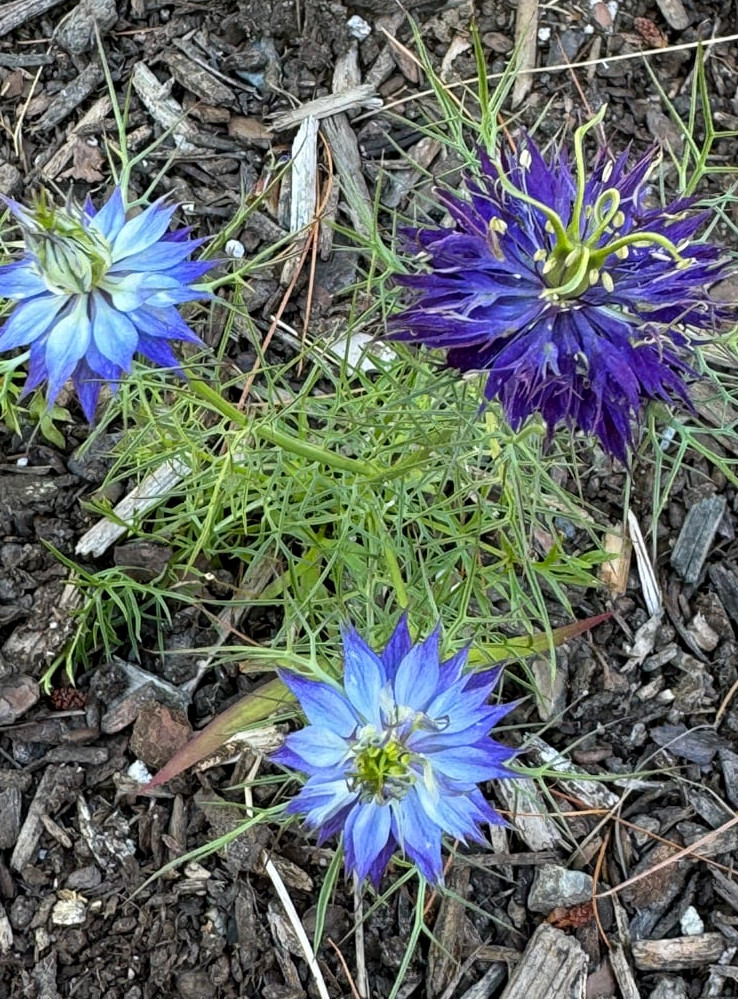
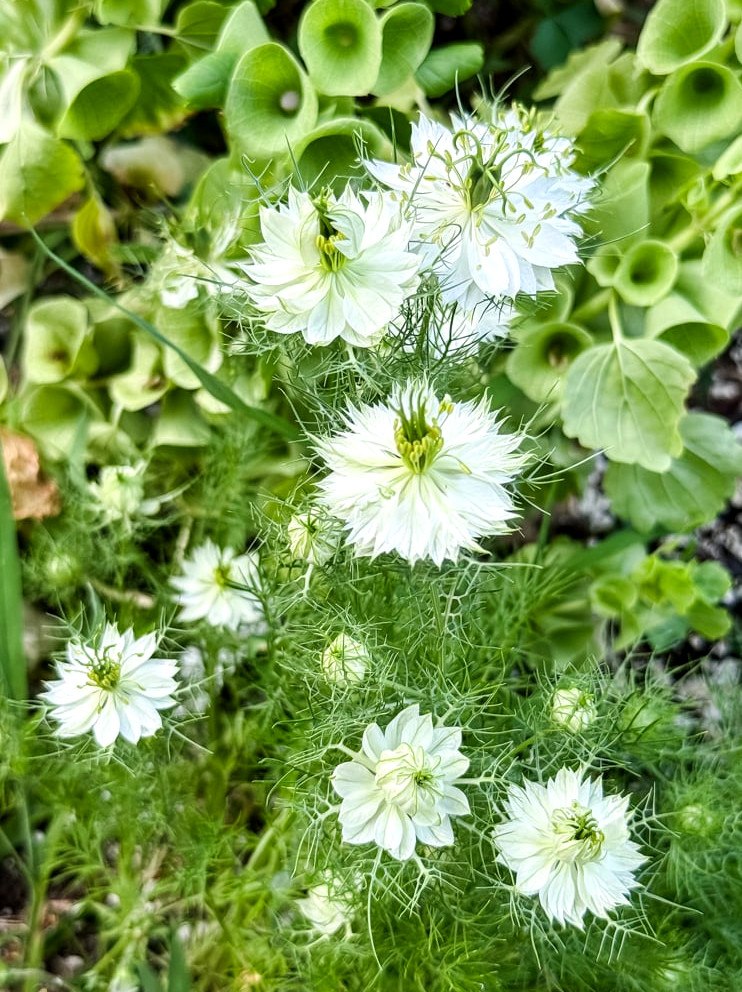
Love-in-a-Mist (nigella) is a perfect example from my garden. During the first year, I got 0 flowers; the second year produced exactly 3; and last year, every seed germinated and filled its part of my raised bed.
I’ve gardened for 25 years, and I still experience several failures every single year! Accept it, make peace with it, and keep going.
2. Begin With a Smaller Garden Than You Imagine
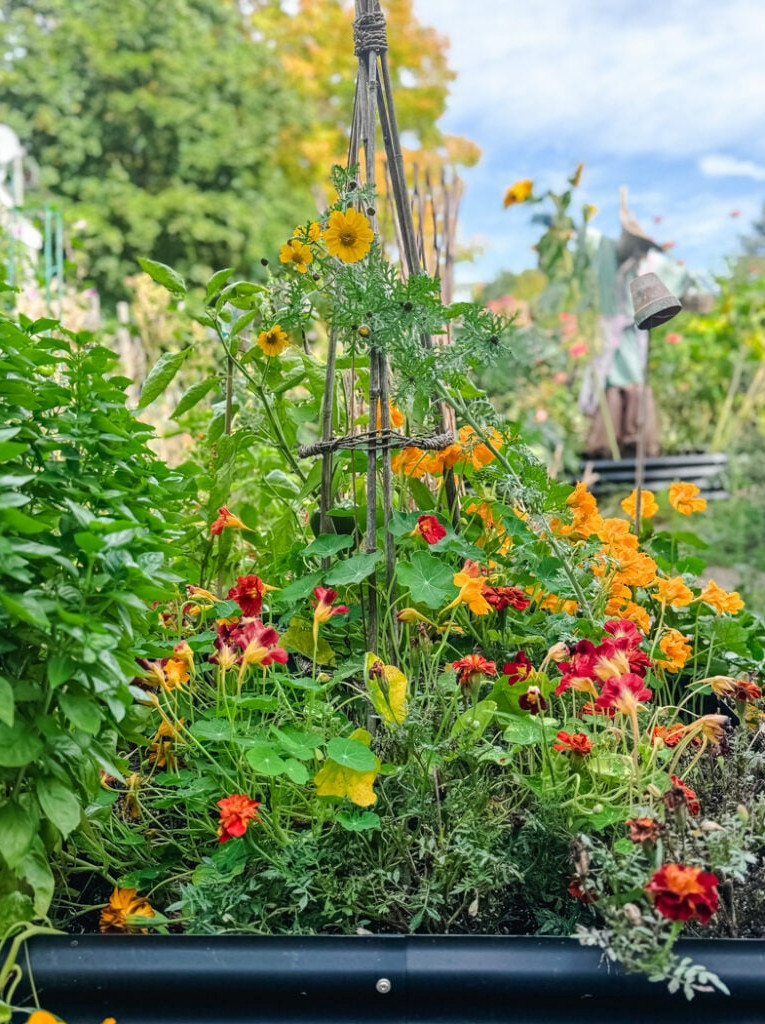
I’m asking you—please. That vacant, sunny area may look as though it could
Those Instagram reels and TikTok gardens make everything appear simple, gorgeous, and entirely achievable at any size… I know. Still, believe me when I tell you that you will feel far happier wrapping up your first season with a manageable patch of crops you genuinely grew than finishing worn out and asking yourself why you ever began.
Build-Your-Own Garden Towers
3. Soil Is The Foundation Of Everything
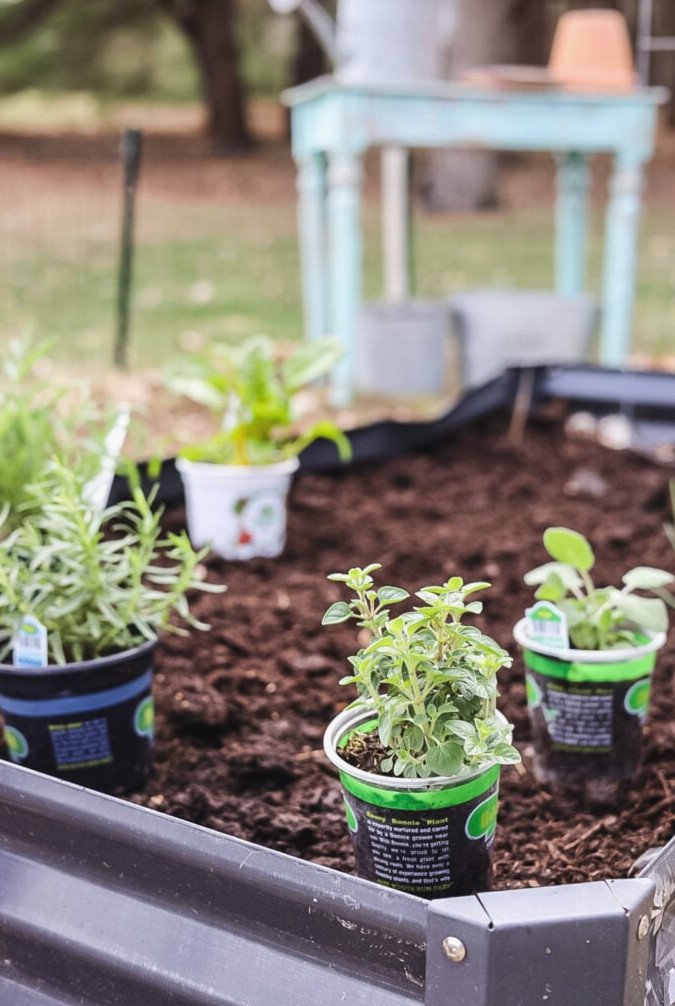
You might purchase the priciest seeds, the most charming gardening tools, and the ideal planter, but if you place everything in poor soil, nothing is going to flourish. Before putting anything in the ground, spend money on quality compost. Improve your beds. Correct the soil. It is honestly the least glamorous gardening tip around, yet it matters most.
Not certain how to begin? Stop by a nearby nursery and simply ask! They understand your area, your weather, and what your soil most likely requires. Here in New Hampshire, I’m a big fan of Coast of Maine soils & compost blends; they cost more than the bagged soil from a big-box store, but the quality is unparalleled. I suggest mixing at least some of their compost into your garden beds to help enrich them.
4. Watering Is Trickier Than It Seems
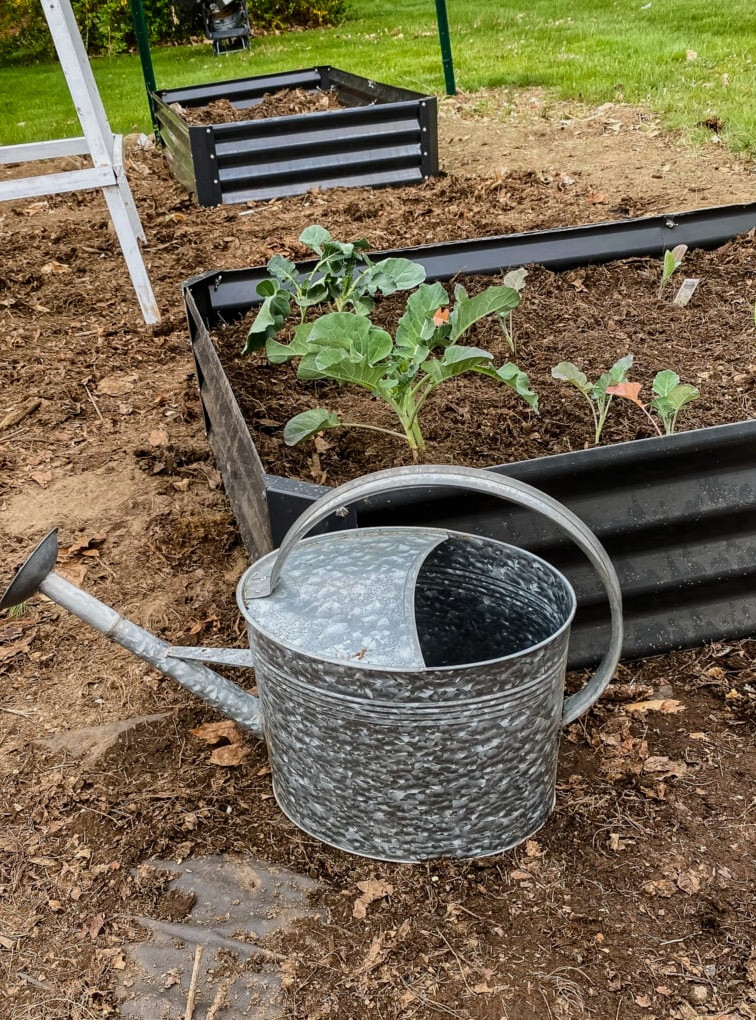
Overwatering can be just as harmful as underwatering, and beginners tend to give their plants too much. Before grabbing the hose, learn to examine the soil. I push my finger down about an inch to find out what is really going on.
Whenever you water, apply it around the plant’s base instead of from above. Damp leaves encourage disease and fungal trouble, while most plants simply need moisture delivered to their roots.
The timing is important as well! Early morning is best since the water has time to absorb before the day becomes hot, although late afternoon will do when necessary. Try not to water during the hottest, brightest part of the day, because it can evaporate before reaching the roots (think of watering your driveway under the sun; it disappears quickly!) Paying some attention to the method and timing can have a greater impact than most beginners expect.
My steel garden beds
5. Weeds Will Not Wait Until You Are Prepared
They do not care about your timetable, your energy, or the fact that you have just endured an especially long week. A few minutes of regular weeding will always beat one huge monthly cleanup. Spending ten minutes in the garden every couple of days is more valuable than giving up two hours on a Sunday.
I really relate to this! Once weeds become overgrown and start spreading, the situation can quickly feel overwhelming! I like checking and watering my garden first thing in the morning, which is also an ideal opportunity to remove any weeds beginning to appear.
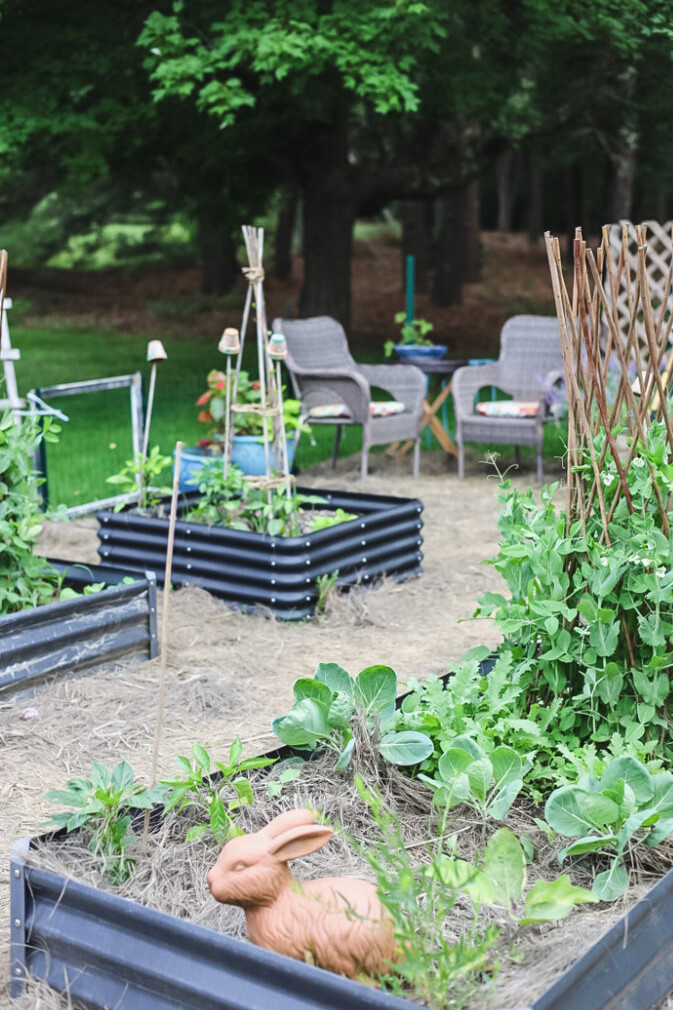
When it comes to managing weeds, mulch is your greatest ally. It covers them before they can take hold and saves a tremendous amount of effort over time. Landscaping fabric is effective along walkways, and if you live in coastal New England, salt marsh hay is worth finding. I spread it in my raised beds and across the garden ground-it’s a beloved New England gardening technique that works wonderfully.
Willow funnel trellis
6. Not Every Plant Has To Be Grown From Seed
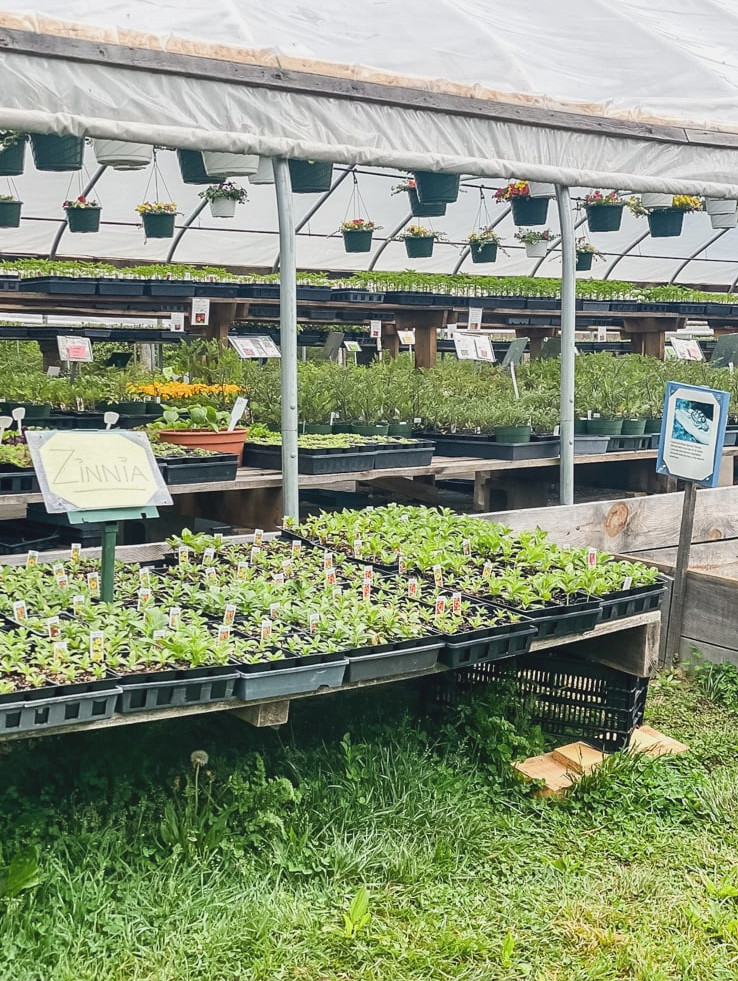
Growing plants from seed is incredibly rewarding, but it can also be quite demanding. There’s absolutely nothing wrong with purchasing transplants from a nearby greenhouse or farm stand, particularly during your first couple of years. Become familiar with your garden first. Once you’re hooked, you can dive into seed starting, and you definitely will get hooked.
Still, if seeds are something you’d like to experiment with, choose an easygoing option such as zinnias or sunflowers, which are nearly perfect for beginners! Sow them directly into the soil after it has warmed; they’re low-maintenance, and you can easily find the seeds at almost any garden center or hardware shop.
Seeing a zinnia emerge from the earth from a seed you planted yourself is truly exciting, and you’ll be fascinated by seed starting before you realize it.
First learn your way around the garden, introduce extra challenges gradually, and allow each success to encourage the next.
7. Garden In The Climate You Actually Have, Not The One You Wish For
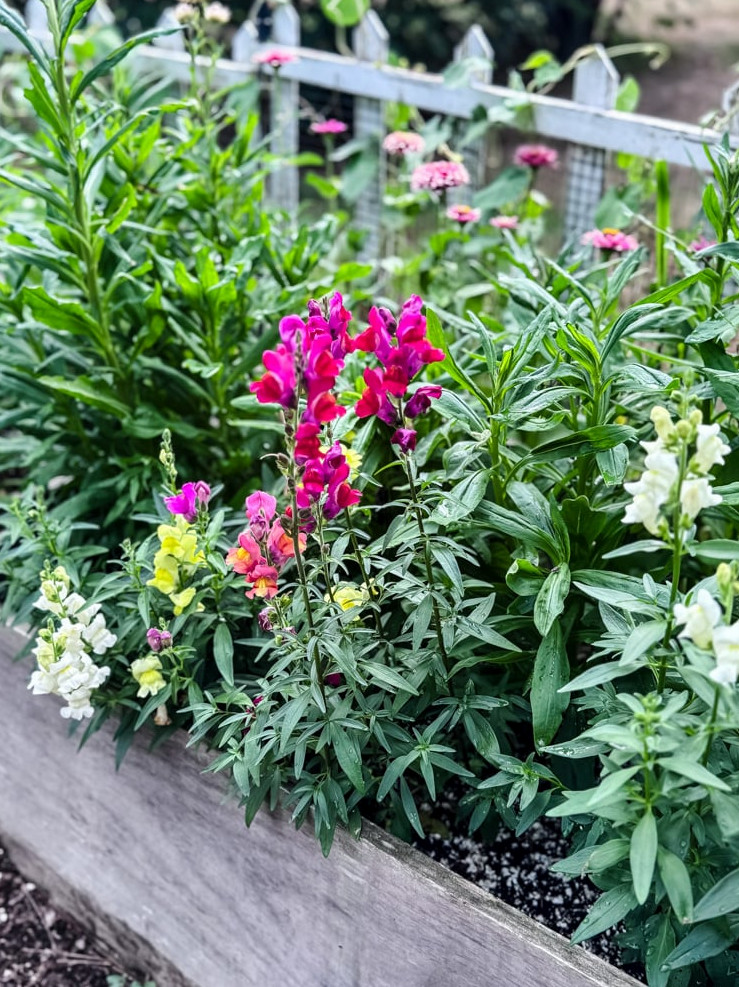
This lesson took me more time than I care to confess. Learn your hardiness zone. Keep track of your final frost date. Quit attempting to grow plants suited to Georgia when you live in New Hampshire. Adapting to your climate rather than fighting it will spare you a great deal of frustration, expense, and disappointment.
Before you map out anything, find out which zone you’re in; it will simplify every choice you make! USDA Zone Map
8. Growth Takes More Time Than You Expect, And That’s Fine!
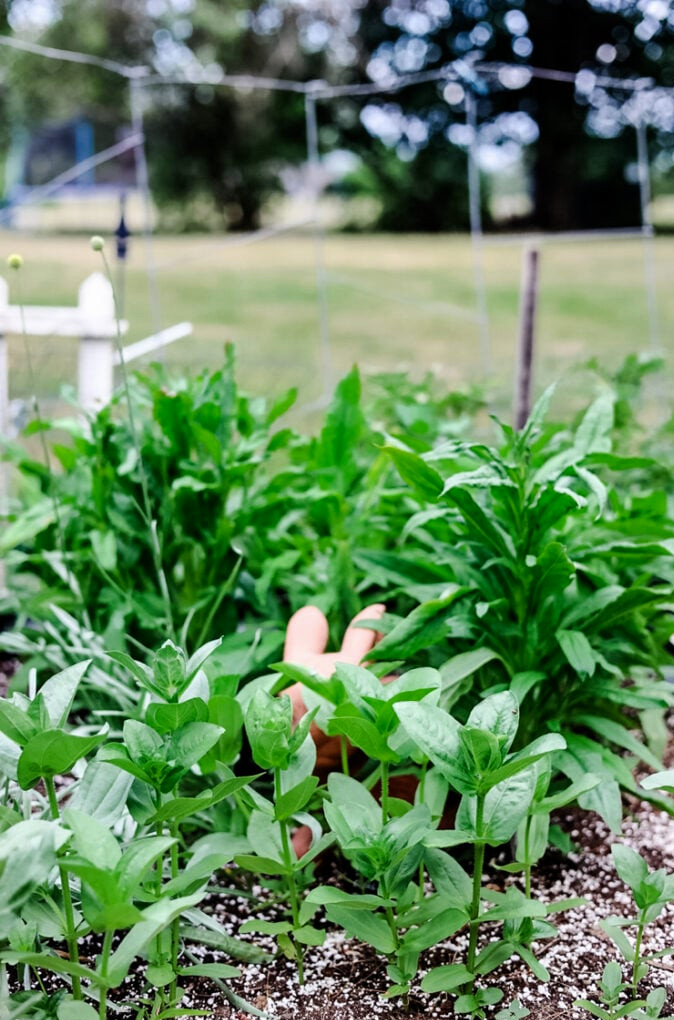
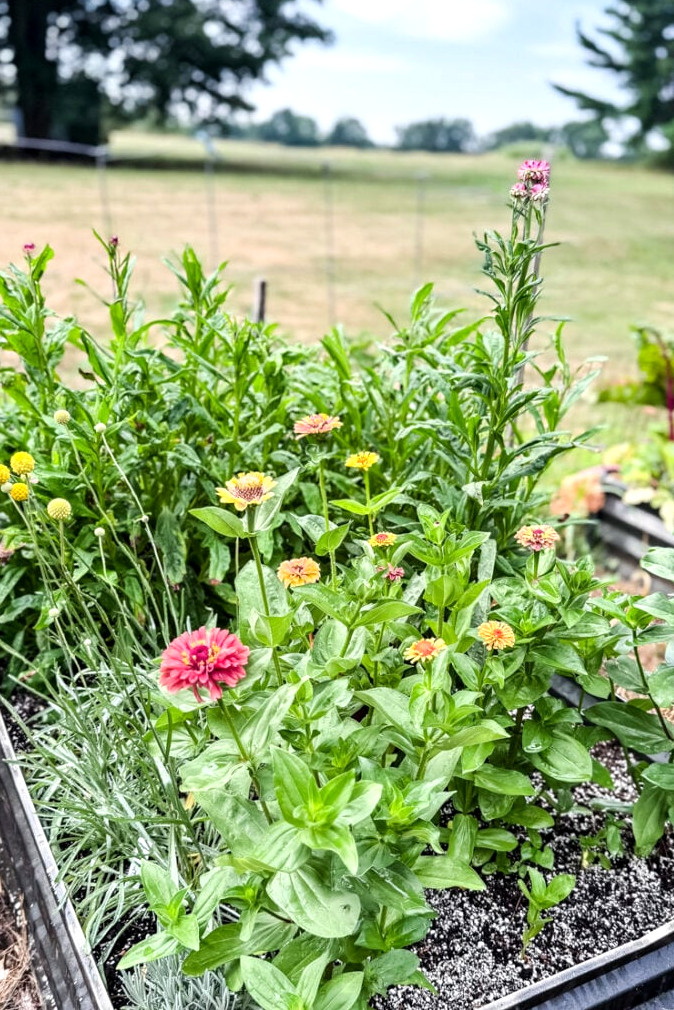
The first growing season may seem sluggish. Certain perennials won’t flower until their second or third year. Direct-sown seeds can remain still and seemingly inactive for what feels like ages before they finally sprout. Gardening teaches patience in a way that few aspects of modern life do, which can feel either irritating or remarkably healing, depending on the day!
9. Maintain a Garden Journal
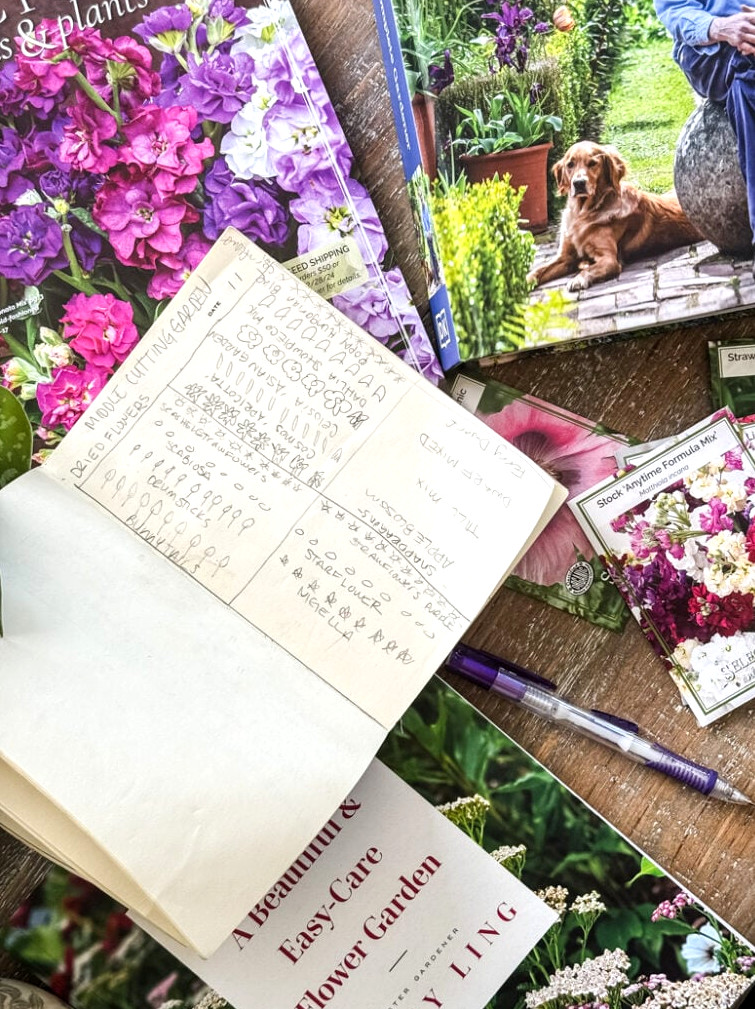
Use a basic notebook, a phone notes app, a voice recording—anything will work. Jot down what you planted, where it went, when it flowered, and what you might change next time.
Each year, I sketch a basic layout of my garden beds to remember precisely where everything was planted. It may seem like unnecessary effort until the next spring arrives and you honestly have no idea what’s growing in that particular corner. Throughout the season, I also take plenty of pictures of my garden, and not only to capture the beautiful moments. Those images have become some of my most valuable planning resources. Looking back, I can tell how different flowers appeared beside one another, which varieties were the stars, and which were—let’s call them—less impressive.
When January arrives and I’m going through my seed catalogs, I review the entire season through those photographs and ask: did I love this? Would I plant it again? Was it worth the space? Your future self will appreciate every picture you captured and every note you wrote down.
10. It Will Become Part of You, And You Will Not Be Able To Quit
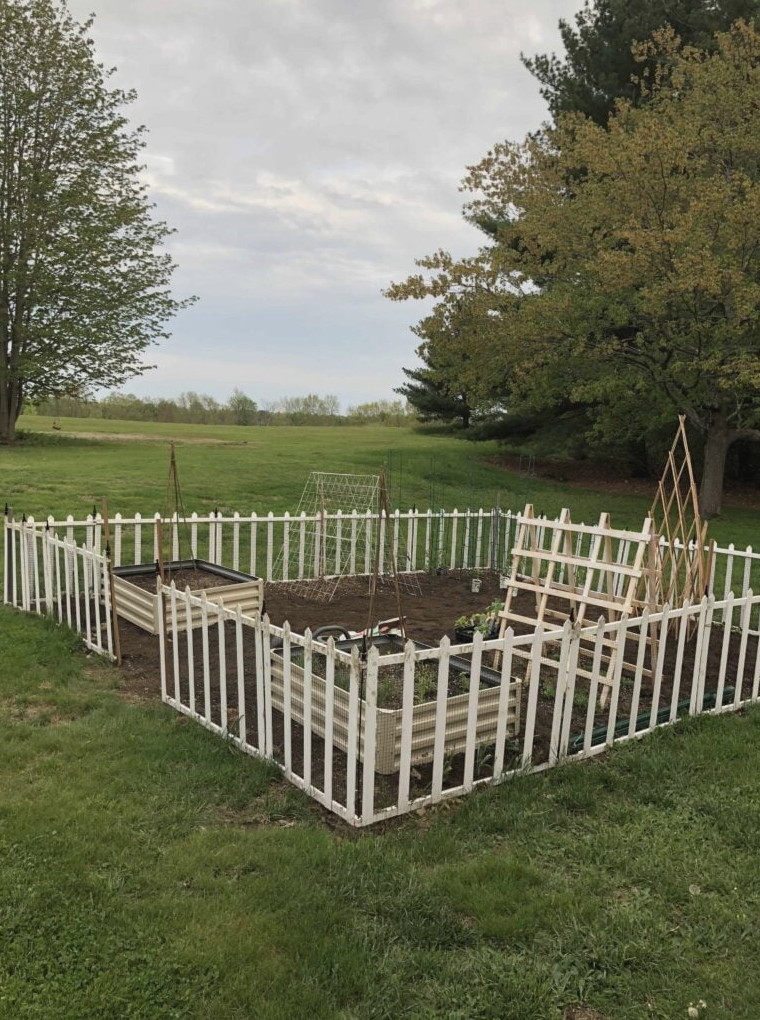
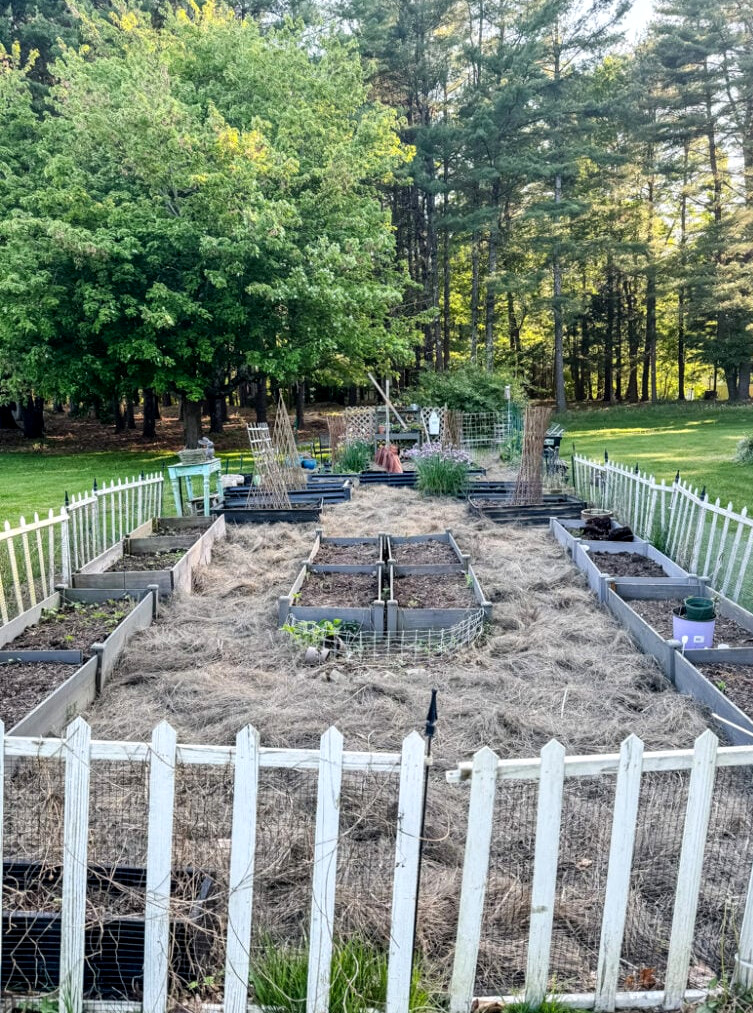
A quick warning: for most people, gardening doesn’t stay a laid-back pastime. One raised bed turns into two, and two become a little garden. Before long, the garden begins spreading across the backyard! In January, you’ll find yourself reading seed catalogs as though they were novels. You’ll even start following strangers online because of their zinnias. It’s perfectly normal. We all do it. Welcome aboard!
When I established my cutting garden at this home in 2018, it was a neat 16 x 16 feet. By 2024, it had expanded to 20 x 60. That’s the result of loving what you do! You simply continue adding a little more every year.
Gray wooden raised beds
One Final Thought: Keep Learning Forever
Gardening is one of those topics where gaining knowledge only makes you aware of how much more remains to learn, and that is part of its appeal. Fortunately, you don’t need to work everything out by yourself.
Many truly excellent books have been created especially for novice gardeners, and a handful of good titles can teach you more during one winter than years spent learning through mistakes. I’ve gathered my top choices right here, and that’s where I’d begin if you prefer doing some research before getting your hands dirty.
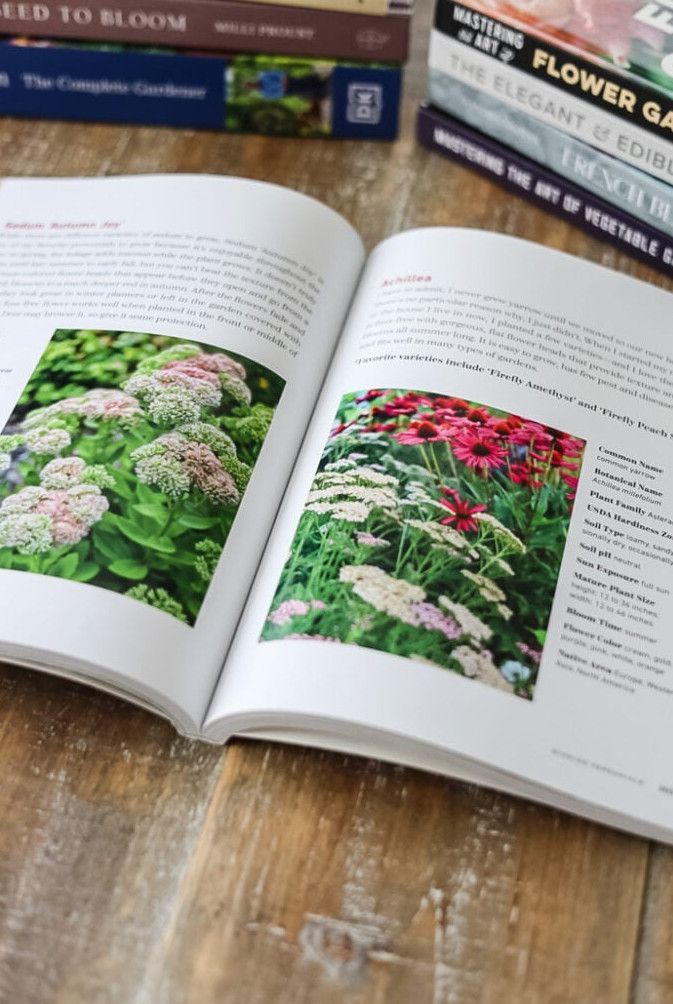
Apart from books, much of my gardening knowledge has come from searching for answers whenever questions arose. Whether it’s a struggling plant, an unfamiliar pest, or a flower I’m curious to grow, a quick online search generally helps me find the right path. You don’t need complete knowledge before beginning. You only need to stay open to learning along the way.
One last suggestion: sign up for the mailing lists of major seed and gardening companies. Yes, I realize—more messages! Still, the seed catalogs arriving in January are genuinely helpful. While planning, I’m always looking through mine to review flowering periods, plant heights, spacing, and color pairings. They’re practically free gardening guides sent straight to your home, and honestly? Browsing a seed catalog on a chilly winter afternoon while sipping tea is one of my favorite pleasures. Think of it as research.
The ideal moment to plant a garden was ten years ago. The next-best moment is today! Even if today means placing one pot on a bright porch. Begin wherever you can. Somehow, the rest tends to fall into place.
Have a question about beginning? Leave it in the comments. I read every one.
xo, Jennifer
Grow With Me Gardening Series
This belongs to the Grow With Me Gardening Series here at Cottage On Bunker Hill. My goal is to show you how to begin, care for, and enjoy gardening. I’ll share the advice and helpful tricks I’ve picked up over the years while growing vegetable and flower gardens here in the Northeast.