Somewhere between the third “Spring refresh haul” video and the fourth Amazon package-opening in my feed, I noticed it. That small wave of … ick. You know the feeling. It’s the blend of weariness and hazy guilt that comes from watching someone open one unnecessary box after another, while somehow leaving you feeling as though you’re the one being left out.
Quick Overview
What: A personal anti-haul list: Items I’m choosing not to purchase for my home in 2026, plus what I’ll do instead.
Why: To push back against nonstop consumer pressure and create a home that truly feels like me.
The goal: Not restriction, but purpose. Taking a moment before purchasing can change how you decorate, preserve your money, and help you create a home with character.
For: Anyone worn down by constant home decor buying and looking for a more thoughtful approach.
Lately, I’ve been reflecting on this quite a bit. We’re living through a golden era of being marketed products we never realized we wanted, often by people who seem genuinely wonderful, with wording crafted to make us believe our homes are somehow lacking without the newest seasonal release. And listen, I’m not here to criticize. I’m a blogger. I have a shop page. I understand this ecosystem.
But I also know this: I’ve shopped secondhand since my very first apartment. Not once have I entered a thrift store and thought, “This is settling.” Instead, I’ve thought: this is clever, this is enjoyable, this is a treasure hunt. That instinct, that deeply rooted conviction that a beautiful home shouldn’t require maxing out a credit card, is the foundation of this entire corner of the internet.
Earlier this year, I shared my Mindful Home Manifesto, a personal commitment to choose curiosity instead of consumption, welcome beautiful imperfection, and build a home that feels like me rather than a fashionable aesthetic that will seem outdated in eighteen months. This post puts that Manifesto into practice.
So, here it is: my 2026 anti-haul list. These are the things I’m deliberately passing on, along with what I may choose instead in some cases. Not because I’m a minimalist (I am decidedly not), nor because I never purchase anything new (I certainly do). It’s because I no longer want to spend money on items that don’t genuinely bring happiness to my home~ they only create more clutter.
Hi, I’m Jennifer. I believe the finest homes share a story-and mine is told through discovered treasures. To me, thrifting is about more than saving money; it’s about shaping a home with soul, personality, and a touch of New England history, one pre-owned treasure at a time.
1. The “Fast Decor” Snare
Fashionable Seasonal Decor (Yes, I Mean the Giant Plastic Bunnies)
Let’s begin with the item that pulled me into this whole rabbit hole. The pun is completely intentional.
I’ll begin by pointing out the object we’ve all encountered:the enormous bunny topiaries.This spring, my feed has been completely flooded with these oversized outdoor Easter bunny topiaries.
You know the ones. They’re currently all over social media: tall, sculptural, usually constructed from moss or artificial greenery, and selling for $40 or more. They’re undeniably adorable. For roughly four weeks each spring.
Here’s the truth: I’m passing on them.
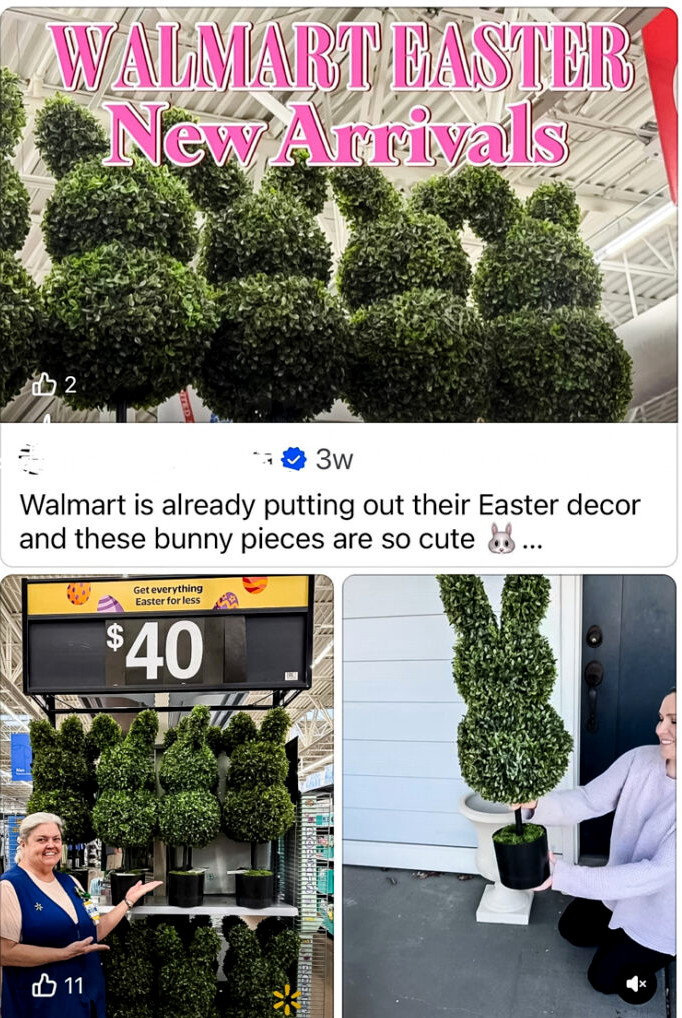
It’s not that I dislike the style, because I do appreciate it! But when I pause to consider where that bunny would stay during the other 48 weeks of the year, I can see it spending nearly all its time packed away in a basement box. That doesn’t strike me as mindful spending.
This is what I refer to as the “fast decor” snare.These are seasonal, trend-focused pieces that:
- Are created for one particular holiday or season
- Seem necessary because they’reeverywhereon your feed
- Frequently cost more than ordinary decor because they’re “statement pieces”
- May appear outdated or unimportant by next year once another trend takes over
Does that sound familiar?
I’m not suggesting you should NEVER purchase seasonal decor. A handful of cherished pieces that delight you year after year? Absolutely. But before I press “add to cart,” I’ve begun asking myself a different question:
Would I continue loving this in July? Would I still enjoy it next January?
For the oversized bunny? The answer is no.
Now, to be clear: if you purchased the bunnies and truly adore them, you’ll get no judgment from me. Still, they’re an excellent example of a purchase that scrolling can make seem unavoidable. When everyone else is doing it, it begins to feel like something you simply… do. That is precisely the point where I’m trying to stop and think.
The bunnies are only one illustration. The larger category—fashionable seasonal outdoor decor with an extremely brief display period and a distinctly plastic appearance—is something I’m completely skipping this year. My porch can still feel inviting and seasonal with a nice wreath (one I create myself), a potted plant, and secondhand pieces I’ve gathered over time. No assembly needed.
2. Fresh Throw Pillows for Every Season!
I’ll tell you precisely what’s on my sectional at the moment: an assortment of neutral gray, blue, and beige pillows that truly suit every season. Yes, there are plenty of them — we are unapologetically pillow enthusiasts in this home, throws included, with absolutely no regrets. But here’s the thing: I bought
two oversized Pottery Barn pillow covers roughly a year ago, when I added a new living room rug featuring navy, and I have absolutely no intention of replacing them anytime soon. They work. They’re lovely. And the rug still contains navy, as far as I know.
My biggest “splurge” could be two fresh pillow covers for a focal point if I find something that truly speaks to me—could be. Not a seasonal shopping spree. Just two thoughtfully chosen covers when the moment feels right.
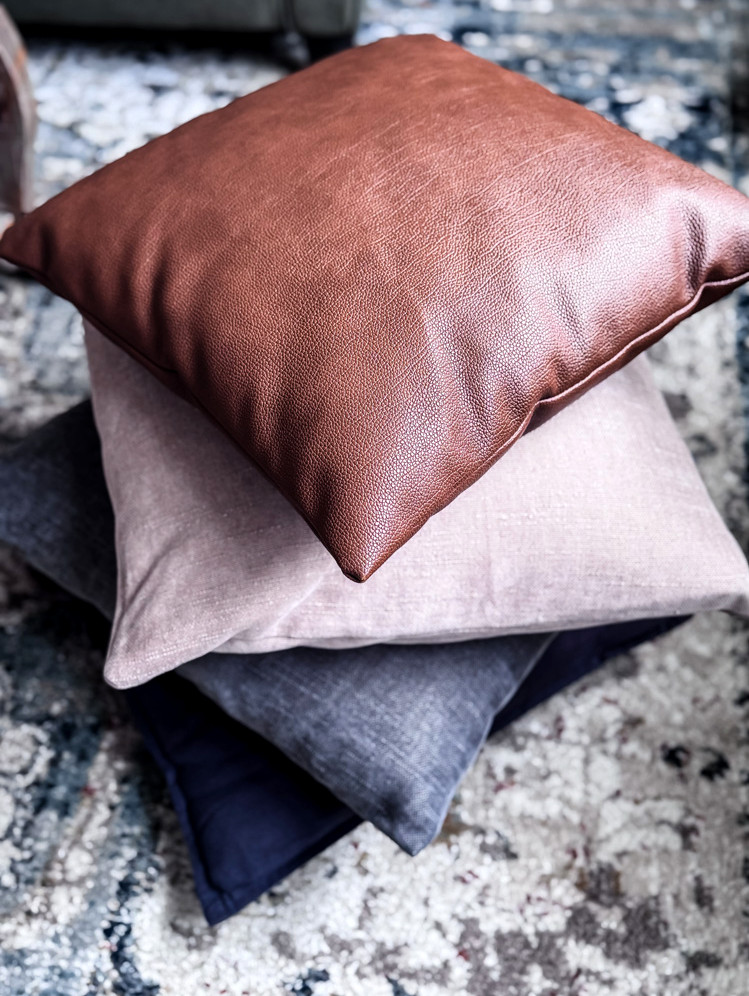
Instead: create a pillow foundation with neutrals and shades you truly adore, then use them throughout the year. Or, if patterns catch your eye, choose a few plaid, block print, or floral pillows that won’t wear out their welcome after a couple of months. When you’re craving a change, bring one in from another room, layer in a throw with a new texture, or simply shift around what you already own. It costs nothing, yet it somehow feels like a fresh update.
Your home doesn’t require a pillow collection for every season. It needs pieces you genuinely love living with.
3. Anything Purchased Specifically Because It’s the “Trending Color of the Year”
Each year, the design industry reveals its Color of the Year, and within thirty days, roughly ten thousand home decor items appear in that precise hue.
Then, every January, I see people redesigning their spaces around it.
Here’s my candid opinion: if you truly adore the shade and it suits your home, wonderful. However, if you’re thinking about purchasing throw pillows, a vase, or a candle in a particular color mainly because a paint company labeled it fashionable, it deserves a moment of consideration.
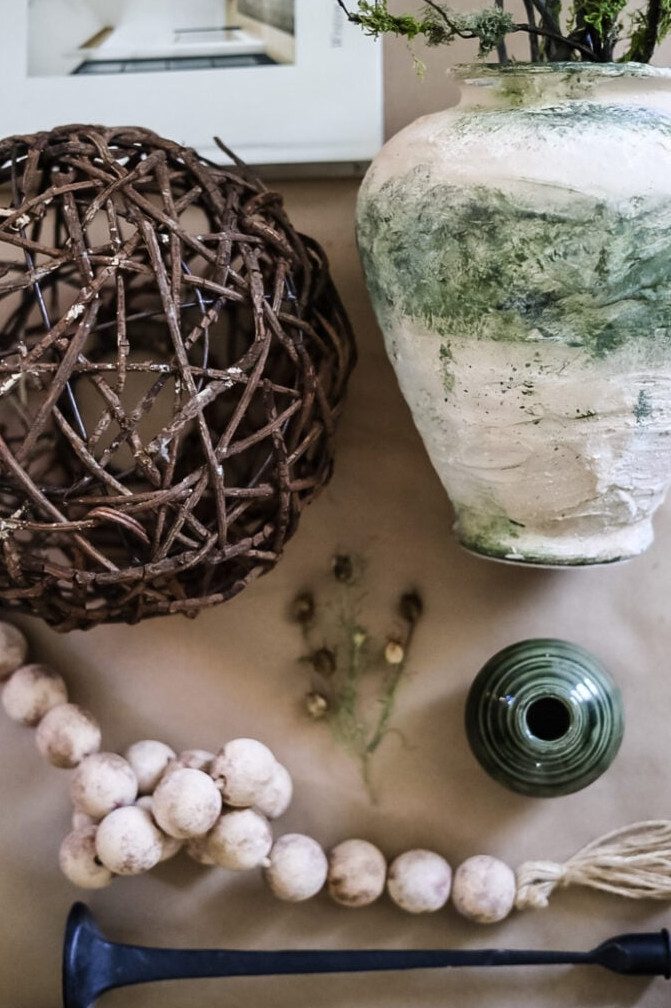
My home follows a color scheme( I tend to favor the shades of the seacoast here in New Hampshire). Over time, it has developed gradually through thrifted finds, DIY projects, and belongings I sincerely enjoy. That palette succeeds because it represents who I am. Pursuing a new fashionable shade each year is an easy way to create a home resembling everyone else’s — along with a donation heap filled with last year’s “it” color. Just stop by your local thrift store…it’s practically a time capsule showcasing trendy decor from years gone by.
4. Mass-Produced “Handmade Look” Ceramic Vases
This category honestly drives me a little nuts.
Home decor currently has a whole section of products manufactured to imitate handmade pieces: the subtly irregular rim, the textured glaze, the “artisan” coating — all produced in bulk and priced in a way that could make a real potter cry.
I also keep spotting the identical vase on what seems like every home decor Instagram profile, which rather undermines the “unique handcrafted” appearance they’re trying to achieve.
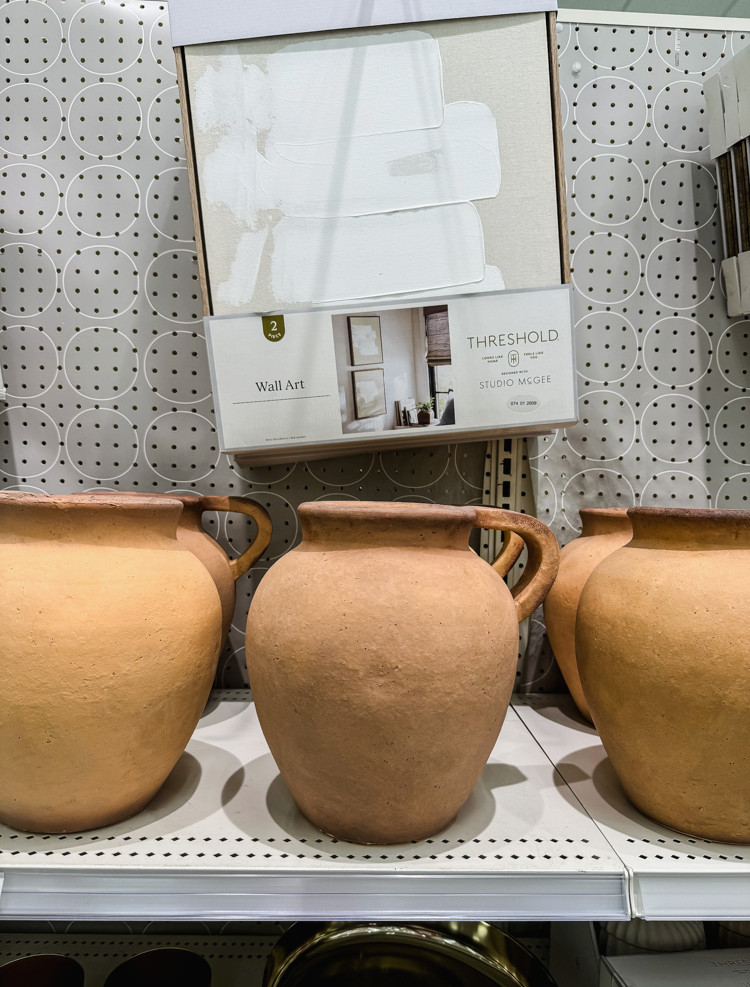
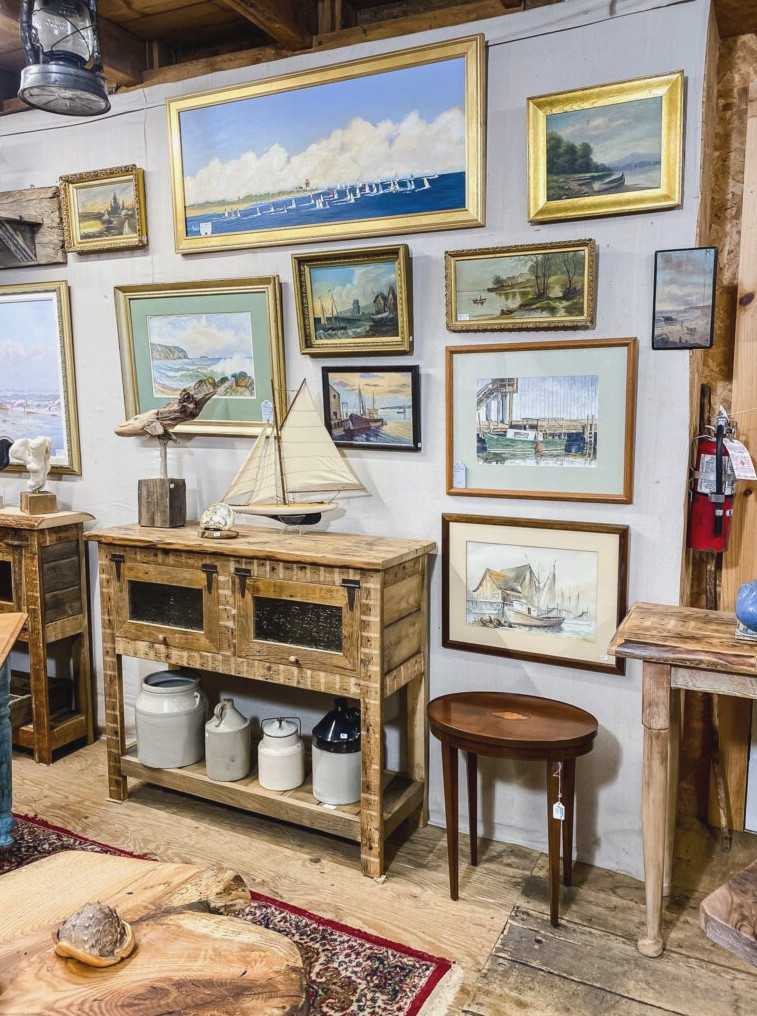
Instead: visit thrift stores. I can’t count how many truly gorgeous, genuinely distinctive ceramic vases I’ve discovered secondhand at flea markets and thrift shops for less than $10. Real pottery. With authentic character. The sort of object that appears to have a story because it actually does. If you shop with a clear vision: ‘I’m searching for unusual shapes, distinctive glazes, and compelling textures’ the thrift store won’t disappoint you.
5. Perfectly Matching Sets of Anything
If the oversized bunny stands for seasonal impulse purchases, coordinated furniture sets symbolize something different: the expectation that a home should appear “finished” and “put together” immediately.
You know the spaces: a matching sofa-loveseat-chair arrangement in three beige tones. A bedroom collection where the headboard, dresser, and nightstands all seem to come from the same mold. Everything blends flawlessly. Everything feels… predictable.
I’m done purchasing matching sets.
My reason is simple: spaces that coordinate too precisely can feel soulless. Instead of a home where real life unfolds—with its clutter, oddities, and gathered memories—they resemble catalog displays.
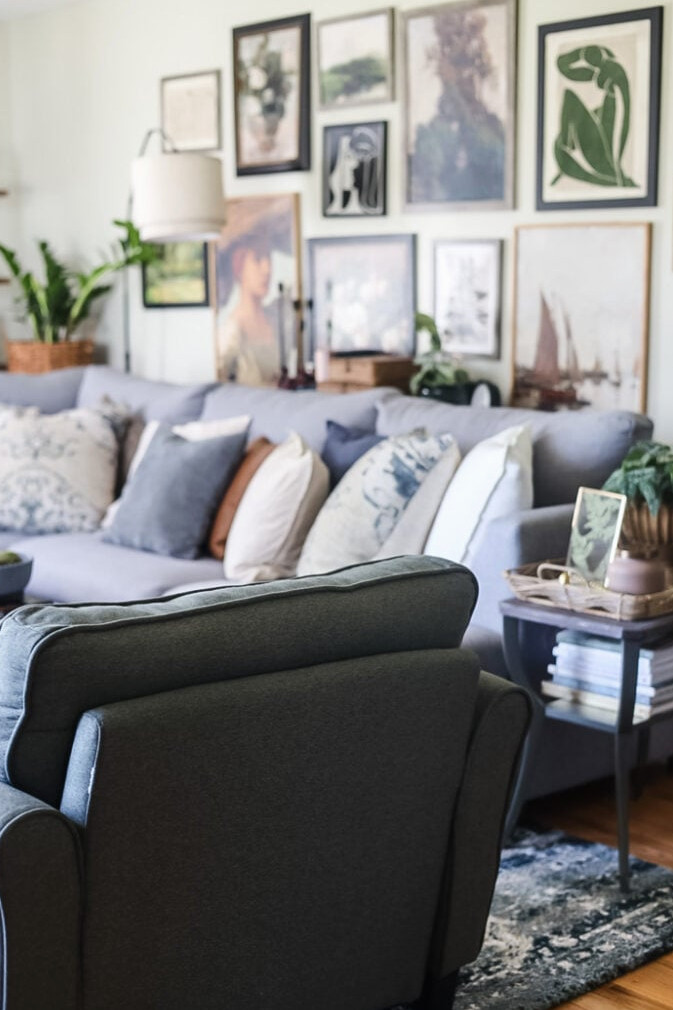
Why sets can be a problem:
- They allow no space for growth. Replace one item, and suddenly the rest no longer “works.”
- They may cause a room to feel dull. When every furnishing matches, there’s no visual contrast or unexpected detail.
- They remove the narrative. If everything shows up in one shipment, your home doesn’t revealyou…it reveals a single shopping excursion.
What I’m choosing to do instead:
I’m welcoming an eclectic style. A thriftedside table that doesn’t coordinate with my sofa but echoes the wood shade of a picture frame on the other side of the room. A revamped lamp that seems illogical on paper yet brings precisely the warmth my reading nook was missing.
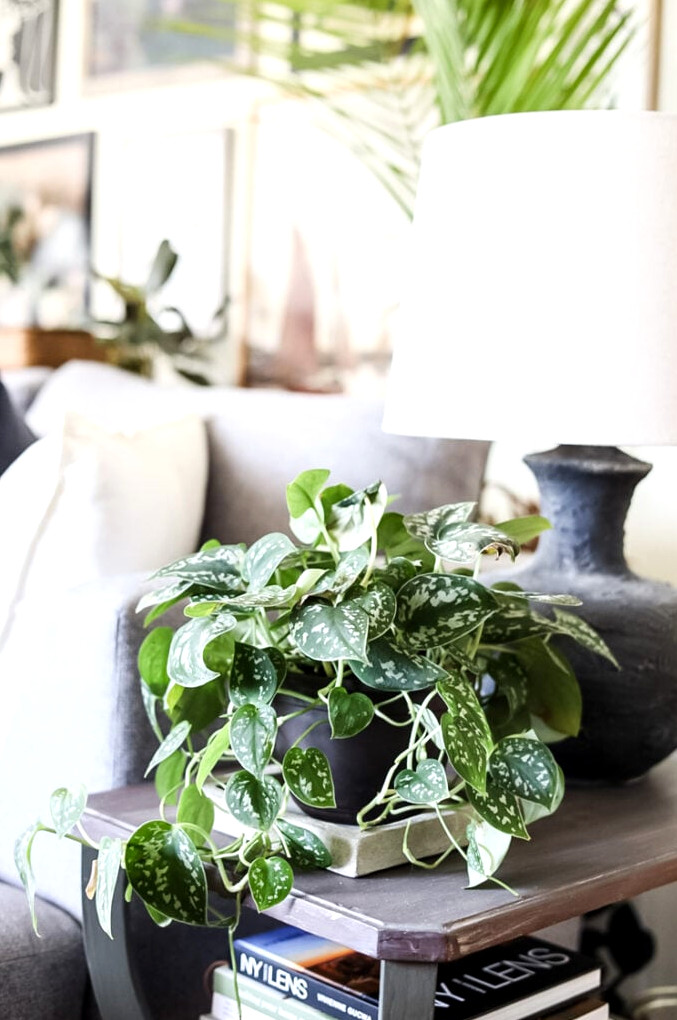
I think of it as hosting a dinner party. A room packed with coordinated furniture is like inviting only one type of person—courteous, predictable, and without much mystery. An eclectic room? That’s the gathering where the conversations become truly engaging.
My new guideline:Unless pieces genuinelyenjoybeing together (and have something intriguing to contribute), they don’t all have to belong to one collection.
I see why it’s appealing; it seems deliberate and cohesive, as though you made a clear choice rather than simply collecting items. But this is what I’ve learned: coordinated sets can make a room feel staged instead of lived-in. They seem like evidence of one shopping outing rather than a record of everyday life.
The rooms I’m most attracted to in actual homes, magazines, and the accounts I genuinely bookmark feature a blend of textures, finishes, and elevations that only develops when pieces are collected over the years from various sources. Two brass candlesticks that aren’t perfectly alike, a secondhand frame beside one you’ve owned since college, a flea-market vase next to one your mother gave you.
That’s the style I’m pursuing. It isn’t something you can purchase as a set.
6. Additional Faux Florals (Honestly, Check Your Bin)
Alright, this one hits close to home.
Each spring, shops overflow with artificial stems: tulips, peonies, eucalyptus, and whatever plant trend happens to be popular that season. And every year, shoppers bring them home. Fresh faux stems for the latest season.
At the same time, many of us havea container (or carton or tote!)somewhere. You know the one. It holds last year’s stems, the ones from the year before, and assorted pieces from some unknown point in time.
Before purchasing even one new stem this year:go locate the container.
Empty it all out. Arrange everything across the kitchen table. Take stock of what you truly own. I’d wager there’s more than you recall, along with several pieces that only need a different setting to feel entirely new.
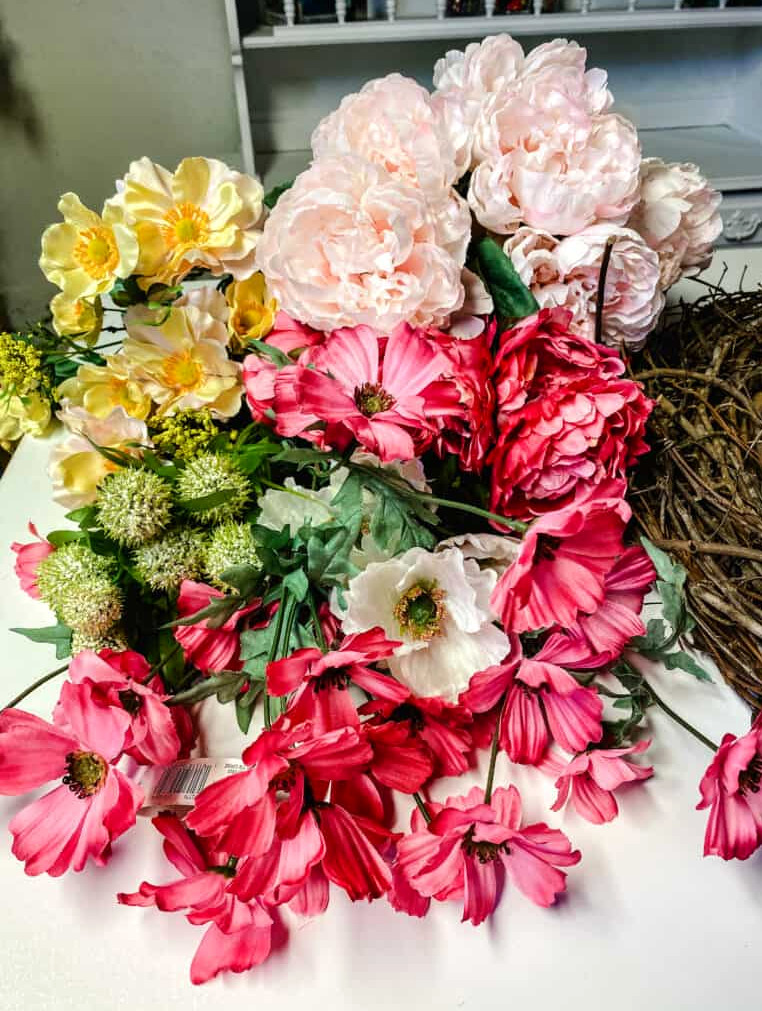
If you feel like getting inventive with what you already possess, here’s the idea I enjoy most: pick up a grapevine wreath form (typically only a few dollars at a craft shop or thrift store). Then search through your collection. Slip in the remaining stems, shift them around, take a step back, and refine the arrangement. In an instant, you have a completely new spring wreath. No shopping necessary. You’re genuinely creating something fresh from existing supplies, and it will feel far more personal than anything taken from a store display.
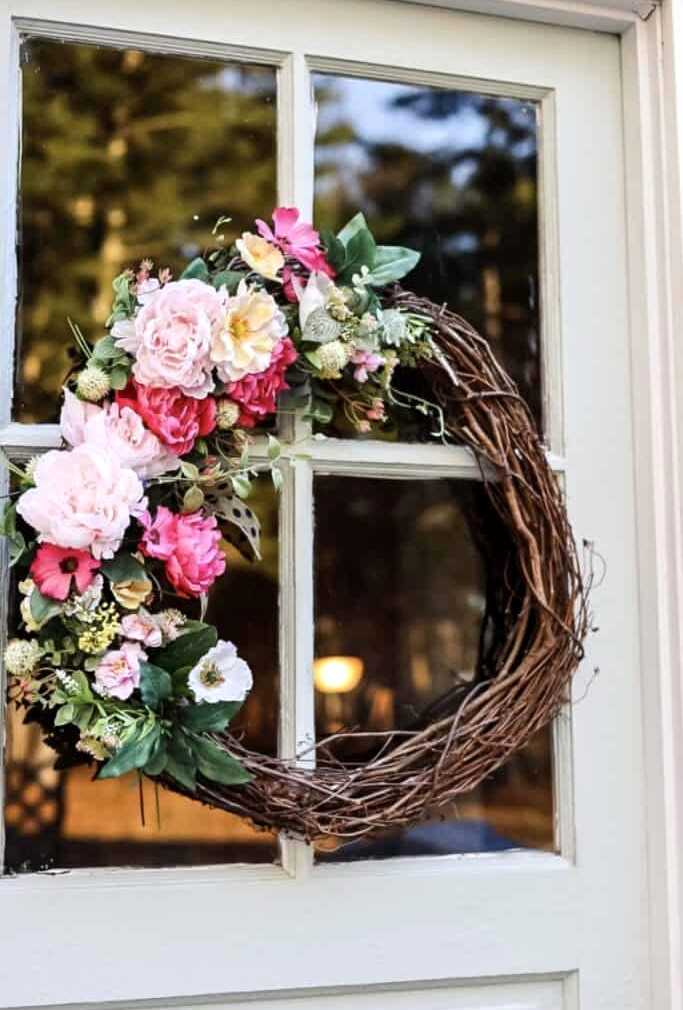
Spring Artificial Flower Wreath Guide
For those of you who cultivate flowers:this is where last season’s dried blossoms get their next chapter. Strawflowers, bunny tail grass, statice, globe amaranth—anything you preserved from the garden is a crafting material waiting to be used. That’s the true pleasure of growing your own. The season continues to provide, even during the quieter months.
7. Fresh Storage Bins “For Organization”
This one is deceptive because it appears so sensible. You aren’t purchasing decoration; you’re sorting. You’re acting like a responsible adult. Very commendable.
Except.
Extra bins don’t solve disorder. They simply hold it in a more attractive fashion. Then you’re left with the original mess along with the containers.
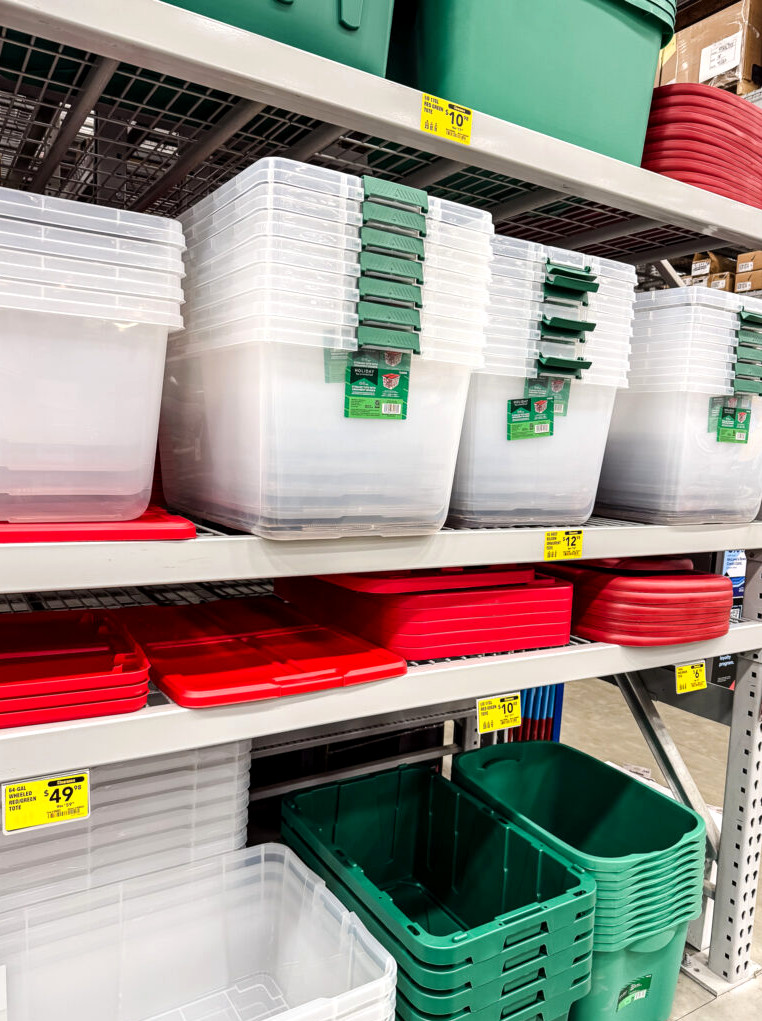
Here’s the belief I’ve gradually developed: when you’re repeatedly searching for additional storage answers, the storage itself probably isn’t the issue. The belongings are. And the most freeing choice you can make for your home isn’t discovering a more attractive method of concealing them… It’s reducing how much you own to begin with. A more peaceful, comfortable home doesn’t depend on improved containment. It comes from thoughtfully deciding what deserves to remain.
Before purchasing another bin this year, I’d recommend two steps: first, complete a sincere decluttering round—I have an entire post about where to begin right here. Second, take a “shop your home for containers” tour: which baskets, bowls, trays, and tins do you already have that could handle this task? The answer is usually already available. It’s simply located in the wrong space.
8. “Just Because” Secondhand Purchases
This may sound unexpected coming from me. After all, I’m the person who createdan entire brandfocused on thrifting. I’ve published guides for recognizing well-made secondhand treasures. I’ve arranged countless thrifted displays. Iadorethe search.
But here’s the candid reality I’ve had to acknowledge: even secondhand pieces can turn into clutter when I’m not deliberate.
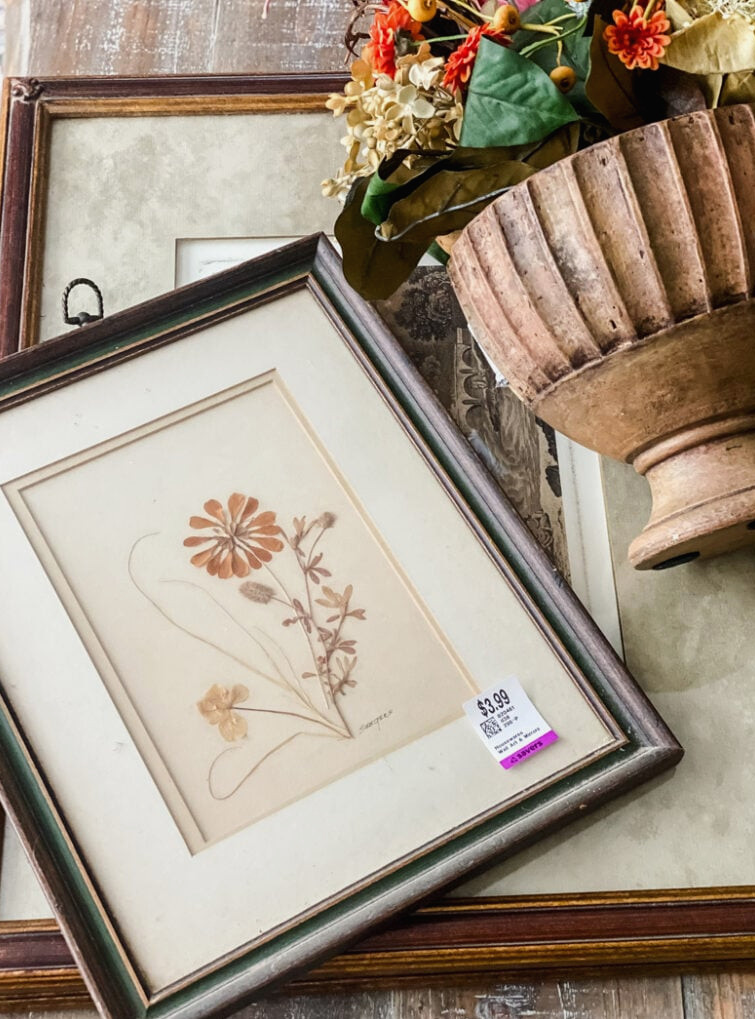
I’m no longer purchasing things simply because they seem like a “great find.”
You know how it goes. You’re browsing a flea market, estate sale, or Goodwill when something catches your eye. It’s just $8. It’svintage. It’s slightly unusual. Someone else would snatch it up if you leave it behind. Before you know it, it’s in your cart.
Then it ends up sitting on the counter. Or taking up space in the garage. Or joining the “I’ll find a spot for this eventually” stack that somehow never gets smaller.
This is what I’ve come to understand:
- A bargain isn’t truly a bargain when it has nowhere to go.
- Vintage doesn’t necessarily mean valuable (tomeandmyspace).
- Leaving a treasure behind isn’t failure-it’s making thoughtful choices.
What I do differently now:
These days, I enter thrift stores with a clearer purpose. Rather than asking “Is this cute?” I ask myself:
- Is there a particular place where this would go?
- Does it meet a genuine need?
- Would I still like it if it weren’t vintage?
- Am I purchasing it, or trying to save it?
That final question matters most. I’ve noticed that sometimes I buy things because I feelsorry for them-as though they’re waiting for someone to give them a home. But my home isn’t a shelter for abandoned objects. It’s a thoughtfully chosen collection of pieces I truly enjoy and use.
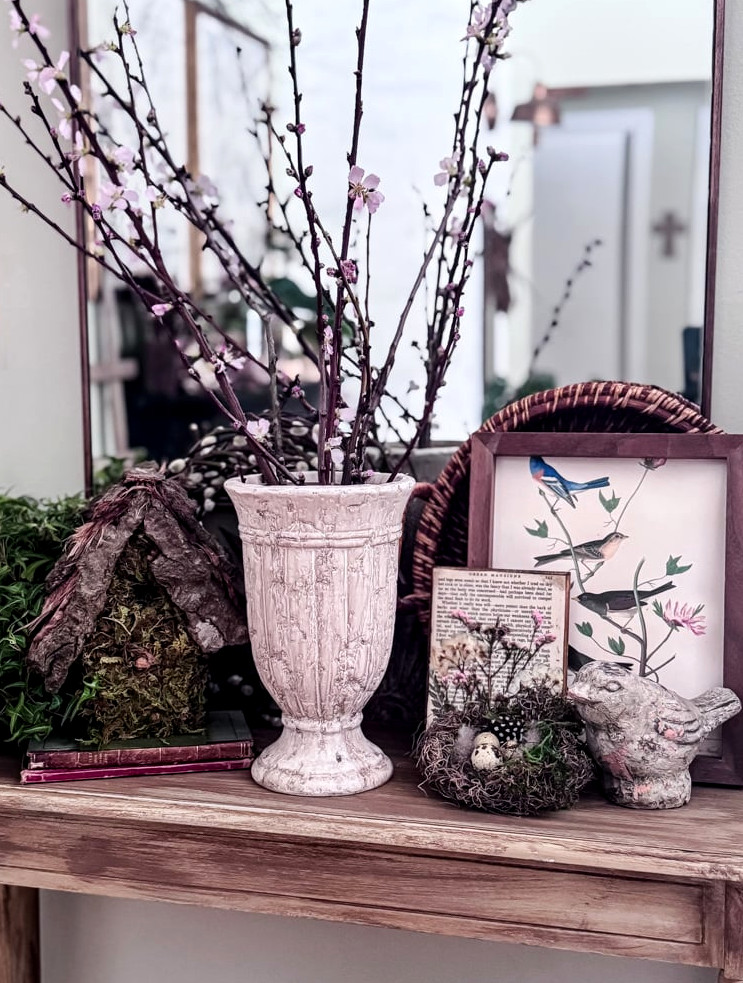
What I’m choosing to do instead:
I’m still going thrifting-don’t worry! But now I shop with intention. A vintage breadboard that suits my kitchen counter perfectly? Yes. A basket that takes care of my blanket storage issue? Definitely. A charming ceramic bird that feels meaningful and already has a shelf reserved? Sold.
But the impulse purchases? I’m leaving those at the shop for someone else to find.
What I AM Buying This Year (Because I’m Not a Monk)
To be clear, this isn’t a promise to stop spending altogether. I’m certainly still investing in my home this year. I’m simply being much more thoughtful about how I use that budget. Here’s what I’m planning to purchase:
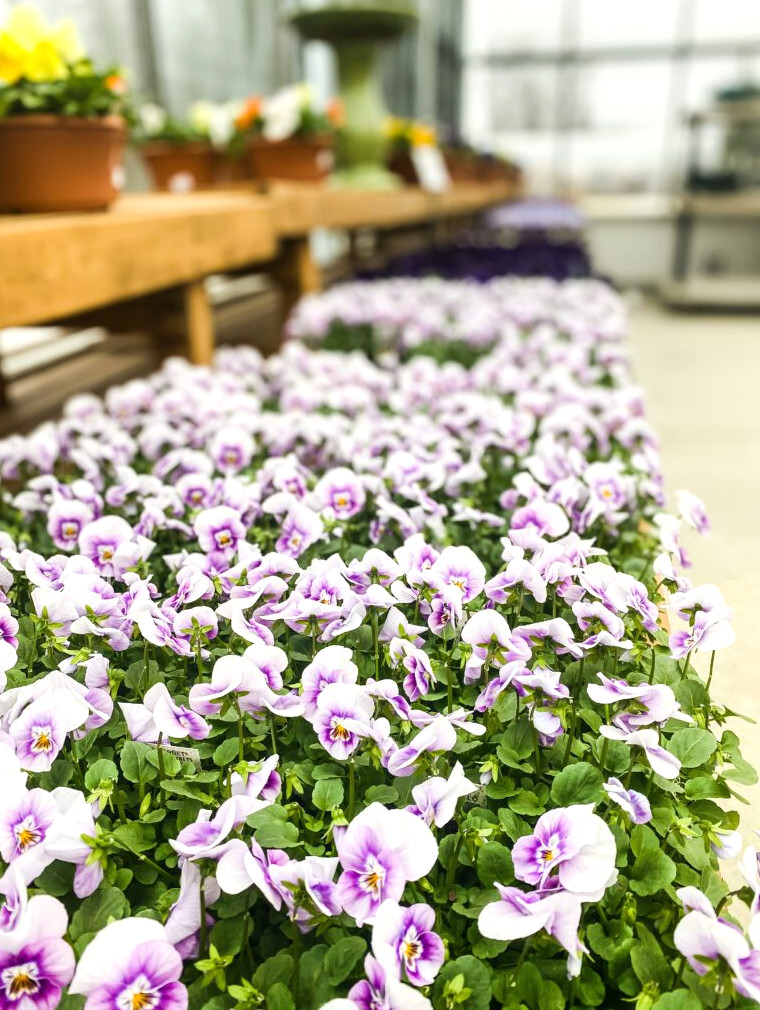
1.Memorable experiences that outlast possessions. Rather than buying an oversized plastic bunny that spends eleven months tucked away in my basement, I’ll choose a Spring outing to a beloved nursery. I’ll browse, enjoy the scents, and likely return home with a flat of annuals and an excellent mood. That afternoon will stay with me longer than any seasonal decoration I might have purchased,and honestly? It’s much more enjoyable.
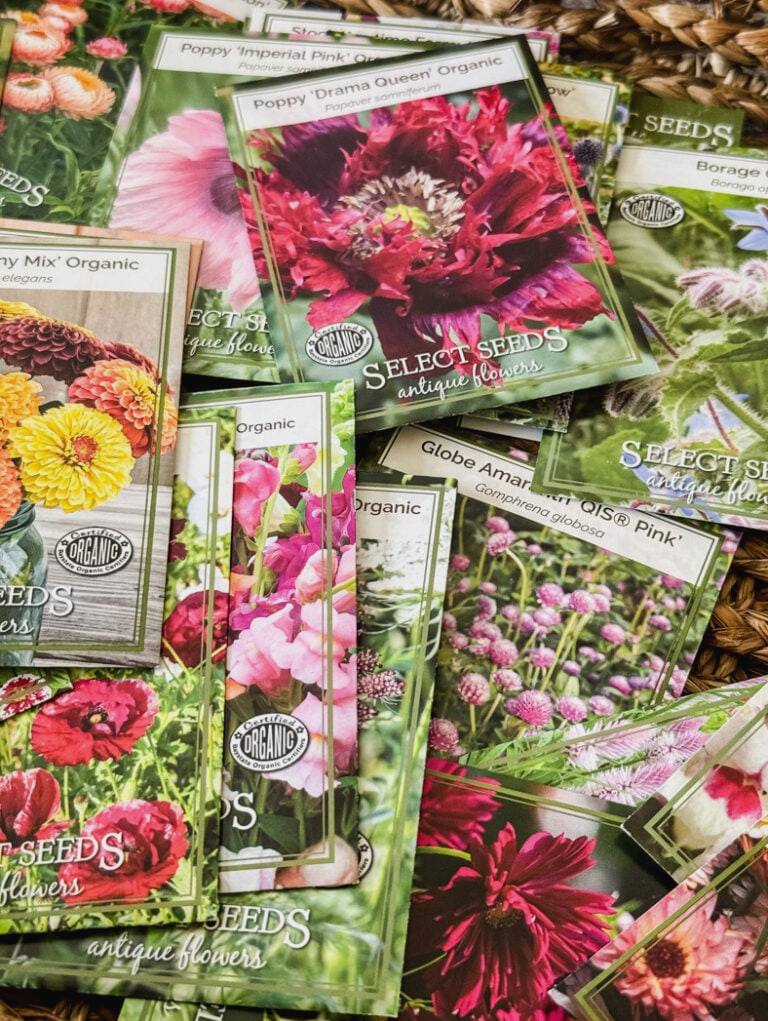
2. Premium seeds and plants for the garden. This is how I prefer to spend my home decorating money. Every dollar invested in my cut flower garden benefits my home throughout the season: through vases, wreaths, dried displays, and creative projects. It’s the finest decorating investment I know.
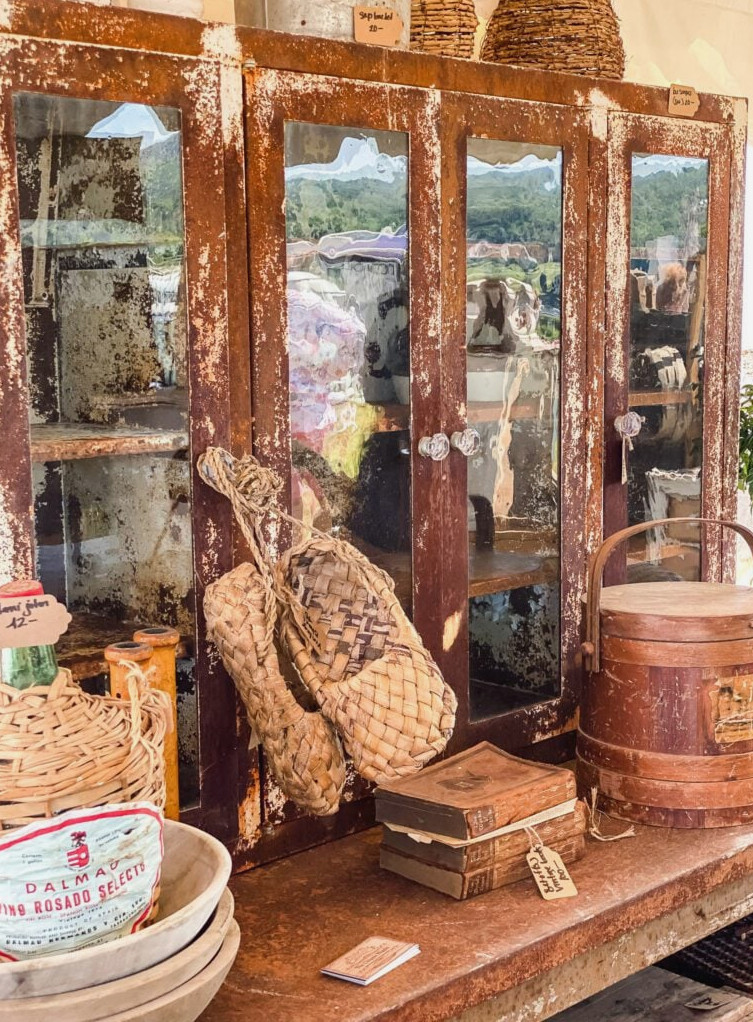
3. Well-crafted materials that grow more beautiful with age. Solid wood. Natural fibers. Genuine brass. Pieces that acquire a patina rather than flaking or peeling. I’m purchasing fewer items this year, but what I do choose will be made to endure. A quality piece shouldn’t require replacement every season. It simply deserves careful selection.
4. The occasional purchase that truly moves me. Because I’m definitely not a minimalist! If something captures my heart completely: a work of art, a handmade mug, a vintage quilt, and it already has a place to go? I’ll purchase it. No remorse, no second-guessing.The point was never to “stop spending altogether.” It was to direct my money toward the things that truly matter to me. Those are two very different ideas, and it’s important to keep that in mind.
One Last Thought
Let me make this clear: this isn’t a list about refusing to purchase anything. That has never been my approach, nor does it reflect my lifestyle. I shop for things. I’ll keep shopping for things. I even have an Amazon store page, after all.
The heart of this list is the pause—the space between spotting something in your feed and pressing add to cart. It’s about asking whether you truly want the item or if the algorithm simply convinced you that you couldn’t do without it. That pause-even if it lasts only 24 hours- can change everything.

I’ve followed this lifestyle throughout my entire adult life—and even longer, really. The little girl pictured above? That’s me at four years old, carefully arranging a tiny table with a plant and dried flowers placed inside a glass bottle I had found. I didn’t have a name for “intentional decorating.” I simply understood that a lovely bottle holding something growing was better than an empty space, and that you didn’t have to purchase anything unusual to make a part of your home feel beautiful.
It seems some things really do stay the same.
My home is filled with items I truly adore! Most were discovered secondhand, many were crafted by me, and together they create a space that feels entirely personal. It isn’t based on a passing style. It isn’t a catalog spread. It’s simply a home filled with history, created gradually and thoughtfully.
And that’s what I hope you create for yourself, too.
Now I’d really like to hear from you: what’s included on your anti-haul list this year? Which purchases have you intentionally avoided, and what have you chosen to do instead? Share your thoughts in the comments. I truly would love to hear them!
xo, Jennifer
Enjoy projects like this?Don’t miss a thing! Join my newsletter family for more warm, affordable DIY projects sent directly to your inbox. You’ll receive special advice, advance access to tutorials, and plenty of inspiration to help your home feel personal, welcoming, and handmade.