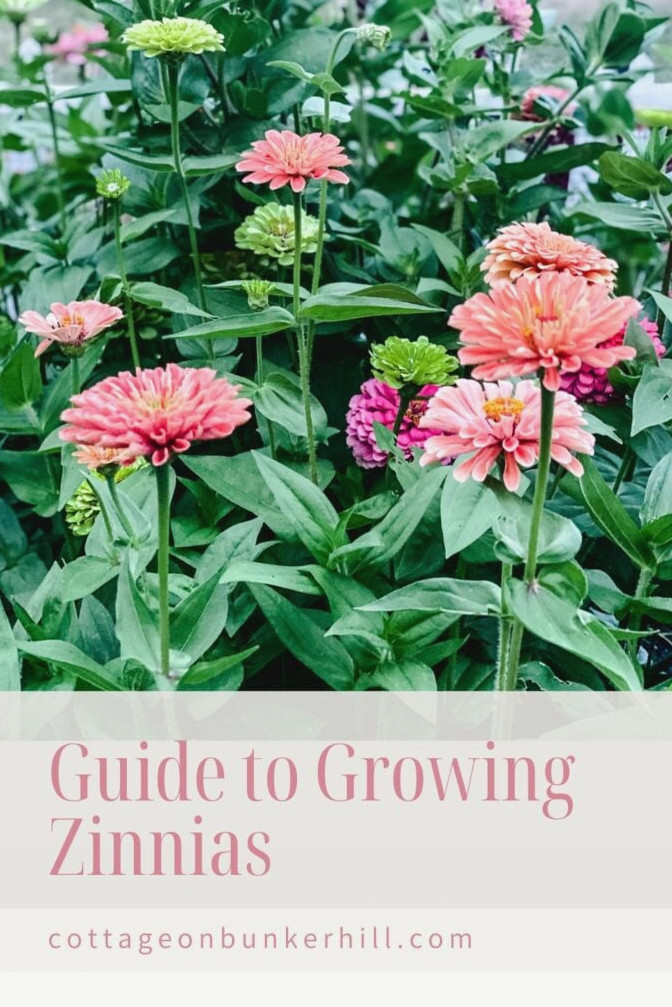
Zinnias are the flowers that first drew me into growing cutting gardens, and years later, they remain an essential part of my garden every summer. Here’s everything I’ve discovered about cultivating them successfully, including the varieties I continue to plant!
Why Zinnias Belong in Every Cutting Garden
I’ve planted zinnias every summer for many years, and each season I’m reminded why they deserve a place in every cutting garden. Few flowers offer so much with so little effort: they tolerate less-than-perfect soil, handle heat waves with ease, withstand occasional neglect, and by August, you’ll be gathering armfuls of flowers for the kitchen table while the plants continue blooming as though nothing happened.
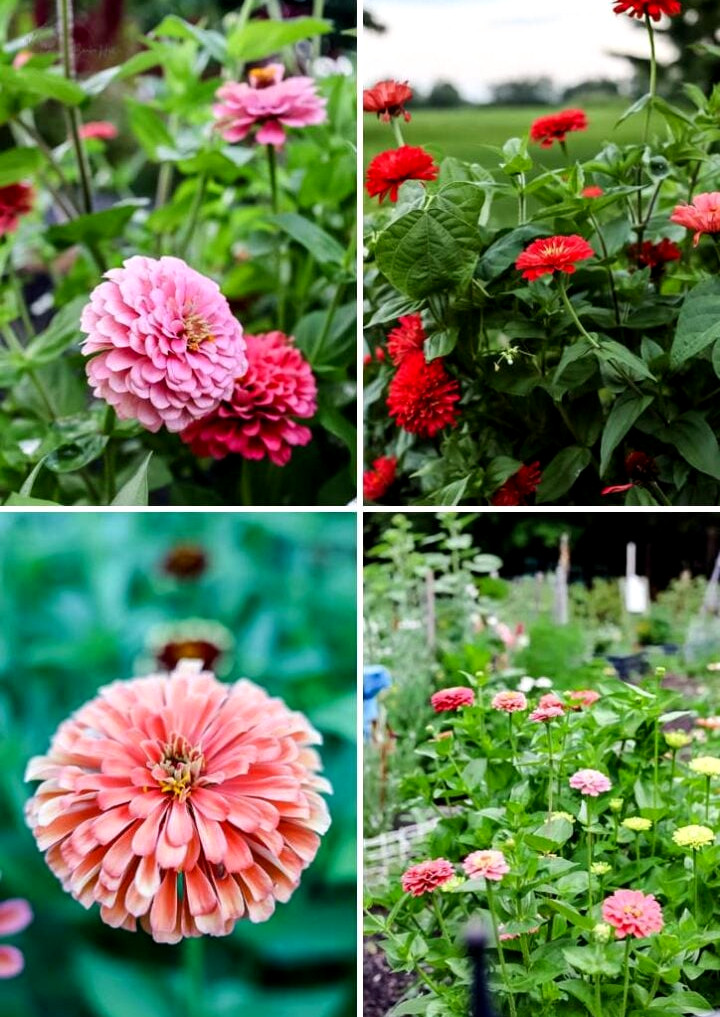
Last summer, I planted nearly a dozen varieties in my New Hampshire Zone 6a cutting garden, including three exciting new selections from Johnny’s: Aurora, Agave, and Ballerina, which truly stole the spotlight. Over the years, I’ve grown plenty of disappointments too, discovered which varieties perform best as cut flowers (not every type does!), and learned the timing strategies that matter most during New England’s shorter growing season.
Whether you’re sowing zinnia seeds for the first time or have grown them for years and are ready to improve your variety selections, this guide shares everything I’ve learned and tested in an actual garden, during a genuine New Hampshire summer, while cutting flowers three times weekly from July until frost.
Their most impressive feature, however, is the stunning range of colors available: bright reds, blazing oranges, cheerful yellows, gentle purples, and even lime green. Flower sizes vary from dainty 2-inch blooms to enormous varieties such as the ‘Benary Giant’ zinnias.
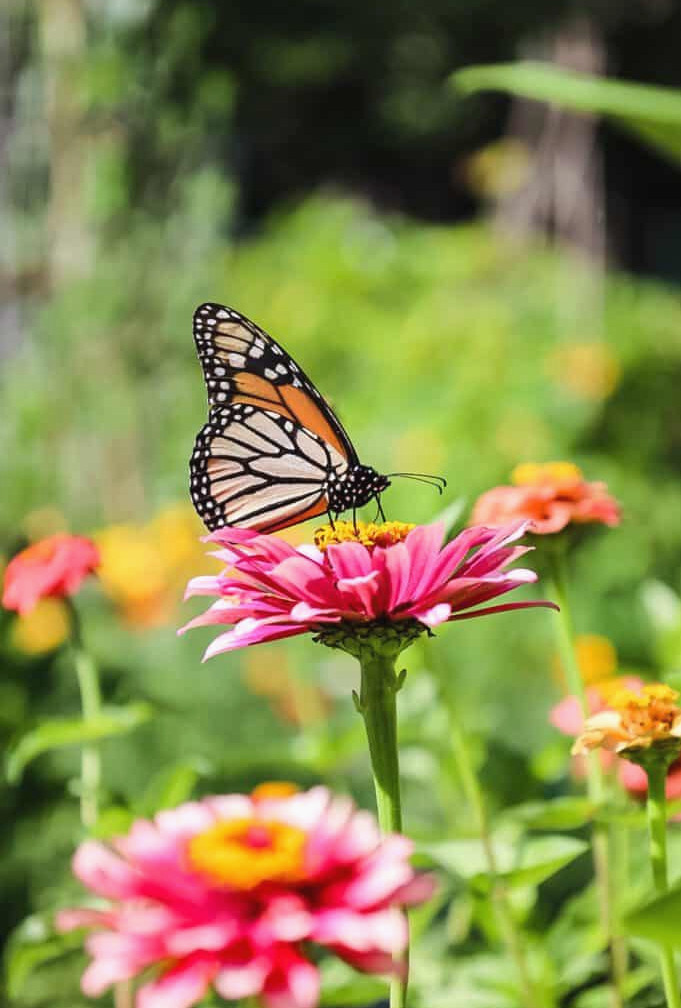
These lovely flowers offer more than visual appeal; they bring butterflies and bees into the garden, make excellent long-lasting cut flowers, and can even withstand deer browsing.
A packet of zinnia seeds costs only a few dollars, so they’re an economical way to bring vibrant color and added benefits to your garden. Even better, they’re simple to raise from seed, whether you begin them indoors or sow them directly outside once the weather warms.
Welcome! I’m Jennifer from Cottage on Bunker Hill. As a home gardener for more than 20 years, I’ve dedicated the past 5 years to specializing in our cut flower garden, discovering through experimentation, mistakes, and plenty of muddy knees what truly works. I concentrate on growing flowers with a purpose, whether they’re destined for a kitchen-table vase or enduring projects, relying on straightforward, repeatable techniques that work within a busy, everyday life.
Key Growing Tips for Full, Healthy Zinnias
Here are my top tips for planting and raising zinnias. If you’re new to gardening, zinnias are an excellent first flower to grow. They’re uncomplicated to cultivate and available in an incredible assortment of colors and types.
Ideal Soil Conditions for Zinnias
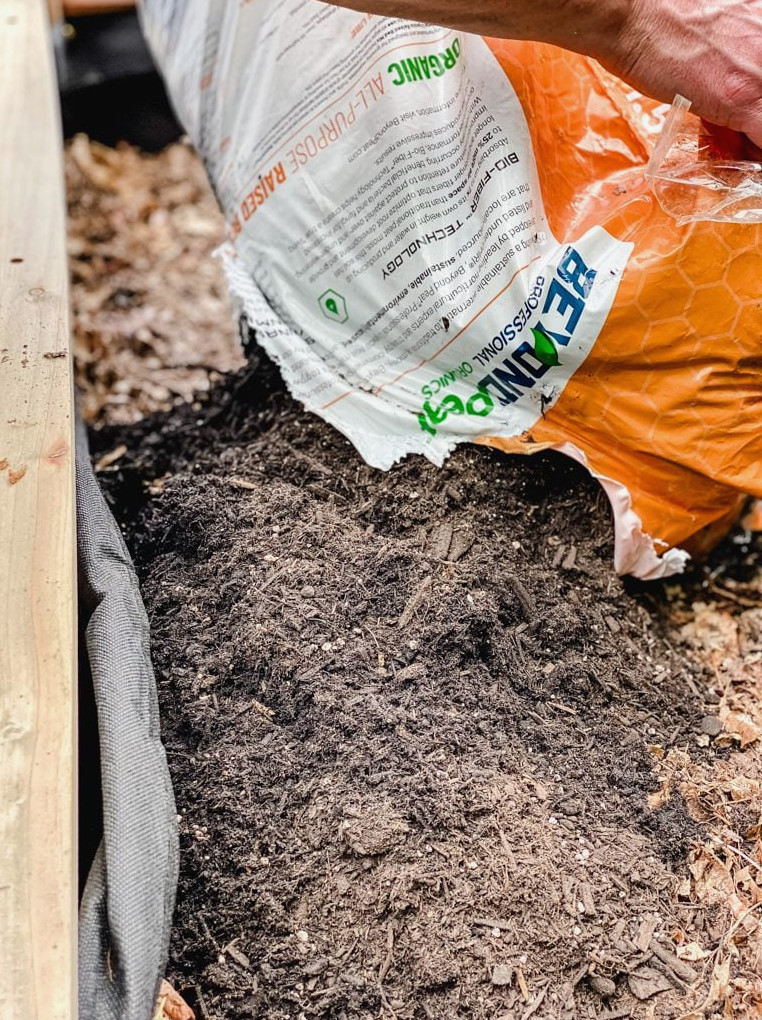
When it comes to soil, zinnias are truly easygoing; they aren’t demanding. Every spring, I replenish my raised beds with organic compost and apply a slow-release fertilizer before planting, and that’s generally enough to help them begin growing vigorously.
The main factor they require is proper drainage. Zinnias dislike waterlogged roots, so effective drainage can determine whether plants flourish or become stunted and decay. If you have dense clay soil, mix in compost to improve its texture, or think about using a raised bed. I’ve cultivated zinnias in raised beds for years, and it’s genuinely the simplest way to provide their preferred conditions.
Zinnias Prefer Warm Soil: When to Plant for the Best Results
Zinnias are sun-loving plants that need warm soil. For optimal results, hold off on sowing until the ground temperature reaches at least70°F. Seeds planted too soon in chilly soil may germinate slowly or produce fragile seedlings.
Why Temperature Is Important:
- Zinnia seeds sprout most successfully when soil temperatures reachat least 70°F
- Sowing too early in cold soil may cause:
• Delayed or irregular germination
• Frail seedlings
• Greater vulnerability to rot
My Zone 6a Planting Timeline:
Although our final frost date here in New England usually falls around mid-May, experience has taught me that postponing zinnia seed planting until early June produces the strongest plants and most impressive flowers. Those additional few weeks make a tremendous difference in soil temperature!
A bit of patience gives your zinnias the warm beginning they need!
When to Plant in Your Area:
Growing Zinnias: Easy Tips for Great Results
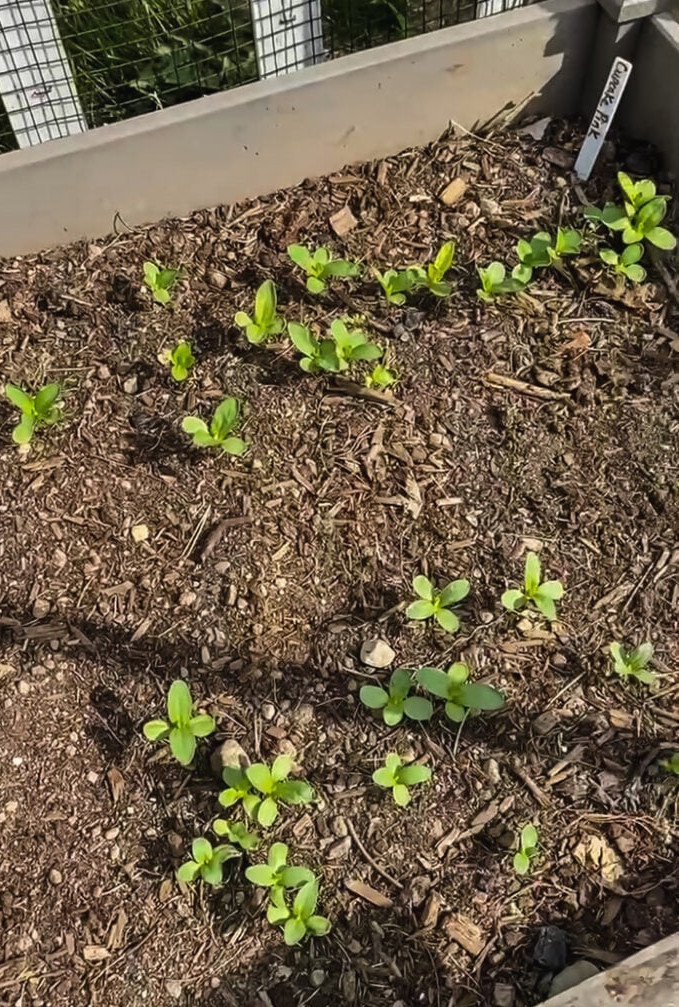
Zinnias excel when sown directly! These seeds germinate remarkably quickly (frequently within 5-7 days!). Although youcanbegin them indoors, experience has shown me that these colorful flowersprefer not to be moved.
Starting seeds inside is an option (particularly in colder regions), but zinnia seedlings may be fragile and susceptible to transplant shock.
What I’ve Found:After testing both approaches in my Zone 6a garden, zinnias sown outdoors regularly surpass transplants, producing sturdier stems & more vigorous plants.
Why Sowing Directly Works Best
- Quicker sproutingin heated soil
- No transplant setback(zinnias dislike root disruption!)
- Fewer complicationsthan starting seeds indoors
Planting Steps for Best Results
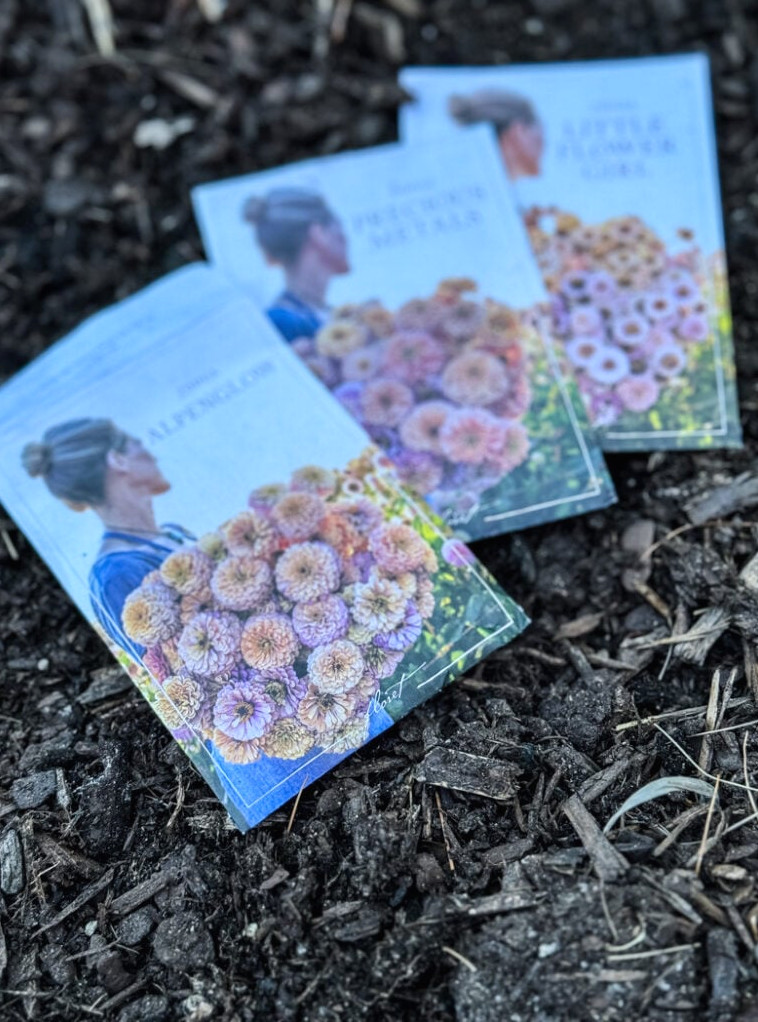
- Choose the Right Moment
- Begin onlyafter the final frost(check yourUSDA zone)
- Make sure the soil feelswarm to the touch(~70°F) – I check mine with a kitchen thermometer!
- Use the Right Sowing Method
- Place seeds¼ inch deep(I balance one on my fingertip and press it lightly into the soil)
- Use the spacing listed on the packet (typically6-8″ apart, based on the variety)
- Care for the Newly Planted Seeds
- Apply water gently with afine mist nozzleto keep seeds from shifting
- Identify each row with garden markers
Helpful Hints
- Plant once the last frost has passed and the ground is warm.
- Carefully sow seeds roughly 1/4 inch below the surface.
- For healthy development, follow the spacing guidance provided on your seed packet.
Watering Zinnias: Striking the Right Balance
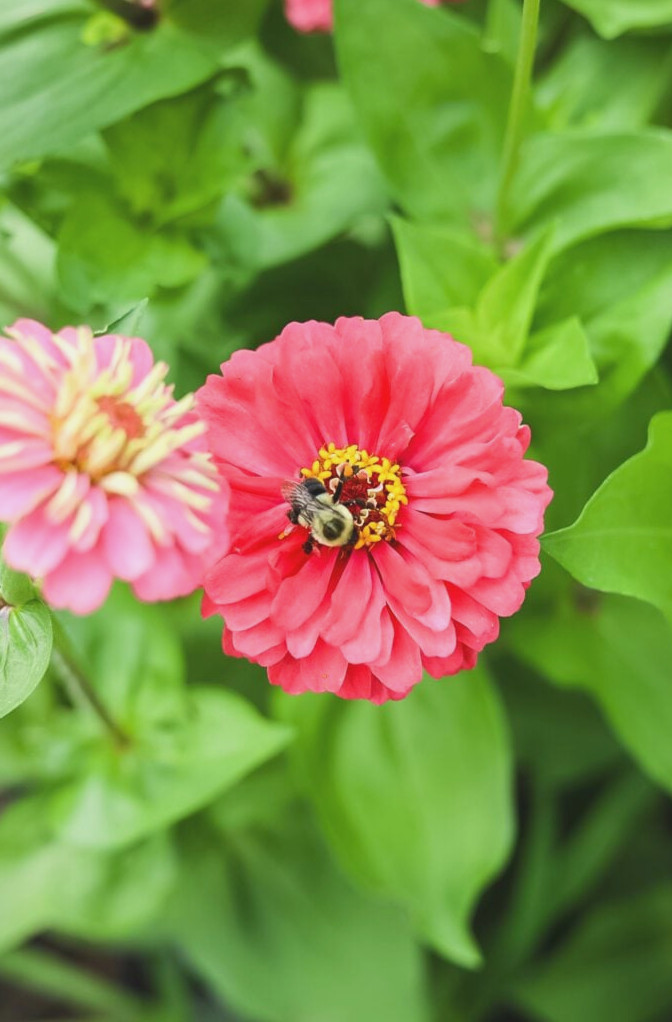
Zinnias can handle dry conditions, yet a thoughtful watering routine will give youmore colorful, long-lasting blossoms. Here’s the approach I use to help mine flourish during New England’s changeable summers:
Germination & Young Plants
- Once seeds are planted, Ideeply water the bedto provide consistent moisture for germination
- Keep the soil moist (but never waterlogged) until seedlings emerge, generally within 5-7 days
- My method:I rely on agentle mist nozzleor watering can so the seeds remain undisturbed
Mature Plants & Dry Spells:
- After their roots develop, zinnias will often do well with rainfall by itself
- During last summer’s severe NH heatwave, when precipitation was limited, I watered:
•1-2x per week, concentratingat the plants’ bases (keeping foliage dry to reduce mildew)
•In the early morningfor maximum absorption - Mulch works toto retain soil moisture
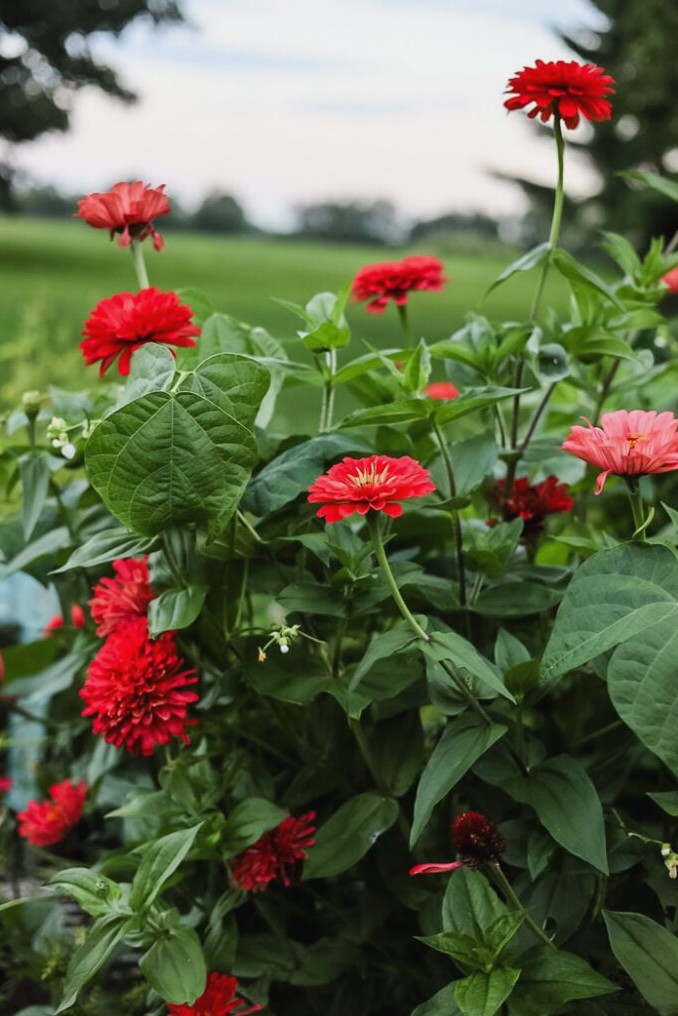
Here’s what I especially enjoy telling beginner gardeners: by following these steps, you could see your first flowers in just 4–5 weeks during a hot summer. That’s all it takes. Since the growing season passes quickly anyway, zinnias are among the rare flowers that can satisfy even the most impatient gardener.
Maintaining Healthy Zinnias: Disease Prevention & Remedies
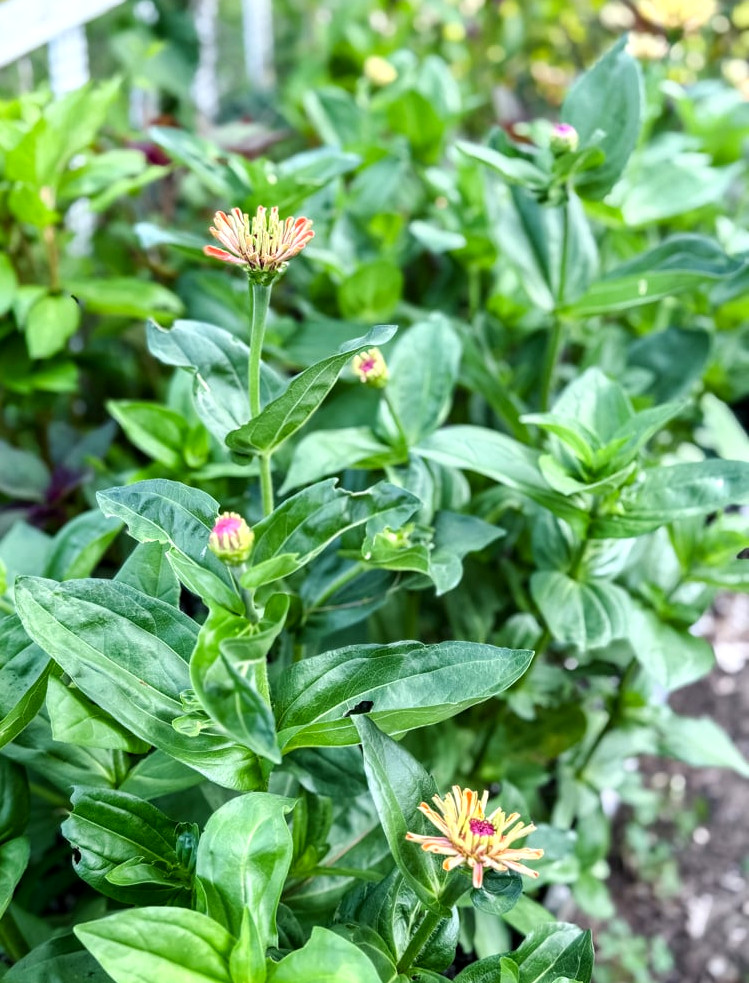
Although zinnias are typically robust, these resilient flowers may still encounter several fungal and bacterial problems. Here’s how I naturally safeguard my bloomsand keep issues under control.
Common Zinnia Diseases to Look Out For:
Powdery Mildew:
- Appearance:A white, dusty film covering the leaves (often seen in humid conditions)
- Prevention: Avoid planting zinnias too closely, although powdery mildew affects many gardens toward the end of the growing season.
Alternaria Blight & Bacterial Leaf Spot:
- Symptoms:Brown or black patches surrounded by yellow halos
- Prevention:Water in the morning (allowing leaves to dry before night)
Botrytis Blight (Gray Mold):
- Causes:Damp, cool weather
- Protection:Quickly remove spent blossoms
3 Effective Preventive Measures
- Leave Plenty of Breathing Space
- Set plants6-8″ apart(according to the variety)
- Why it helps:Better airflow lowers moisture around the leaves
- Water with Care
- Direct water atthe soil level(I prefer using a long-spout hose nozzle)
- Extra benefit:Drip irrigation helps keep the foliage completely dry
- Practice Good Garden Hygiene
- Cut away affected leaves usingsterilized pruners
- Throw diseased plant material in the trash (never the compost bin!)
These preventative practices have allowed me to keep my zinnia beds vigorous for many seasons. Should disease appear, try these organic remedies:
The Key to Fuller Zinnias? A Bit of Firm Encouragement!
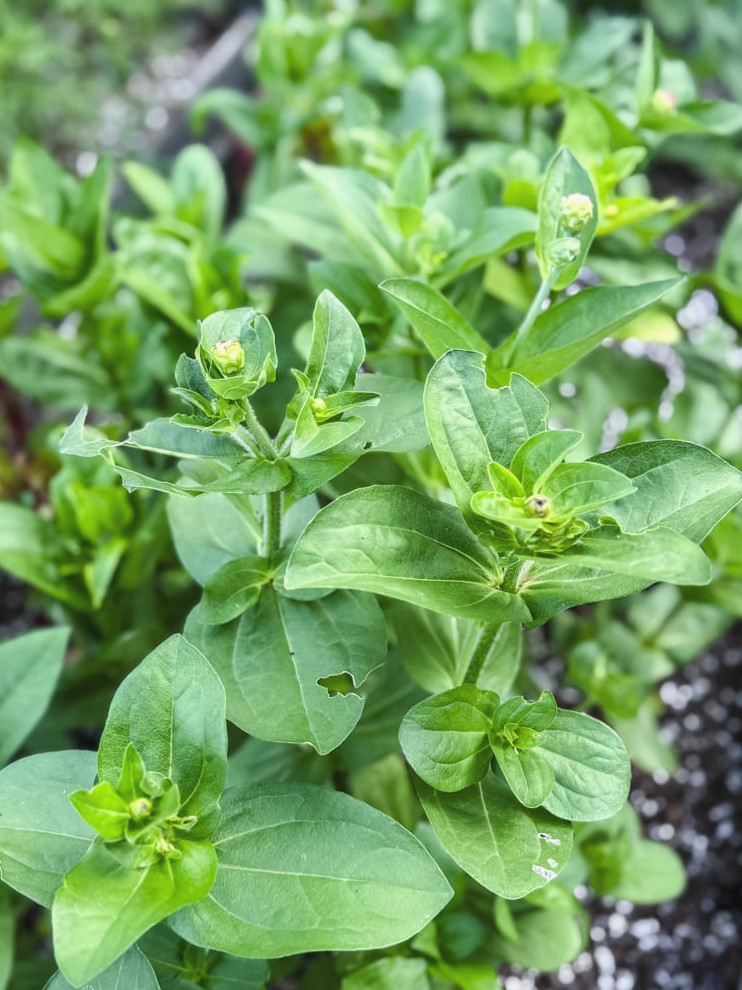
I’ll admit that pinching my zinnias felt awful the first time I tried it. Cutting the top from a perfectly healthy young plant seems completely backward. Still, believe me: pinching is the most effective thing you can do for zinnias, and you’ll understand the reason within a couple of weeks.
Once your plants grow to around 10–12 inches tall, use clean snips to remove the main stem just above a healthy pair of leaves. That’s the entire process. The exciting part comes afterward! Rather than producing one central stem, the plant develops two or three fresh branches from the cut. Additional branches create more flower stems, which leads to more bouquets throughout the season.
Here are two lessons I’ve picked up: first, wipe your snips with rubbing alcohol, and second, pinch in the morning when the weather is dry. These steps reduce the chance of disease entering the new cut. Your first flower may arrive a week later, but the result is a stronger, fuller plant that delivers many more blooms than it would have without pinching.
When to Pinch:
- Wait until the plants are10-12 inches tall(roughly 4-6 sets of leaves)
- Best timing: Morning during dry weather (helps reduce disease risk)
class=”wp-block-heading has-border-color has-theme-palette-6-border-color has-theme-palette-8-background-color has-background”>How to Pinch for the Best Results:
- Use clean, sharp snips(I sanitize mine with rubbing alcohol)
- Choose where to cut– Find a point just above a healthy pair of leaves
- Trim the stem– Cut the main stem neatly (don’t crush it!)
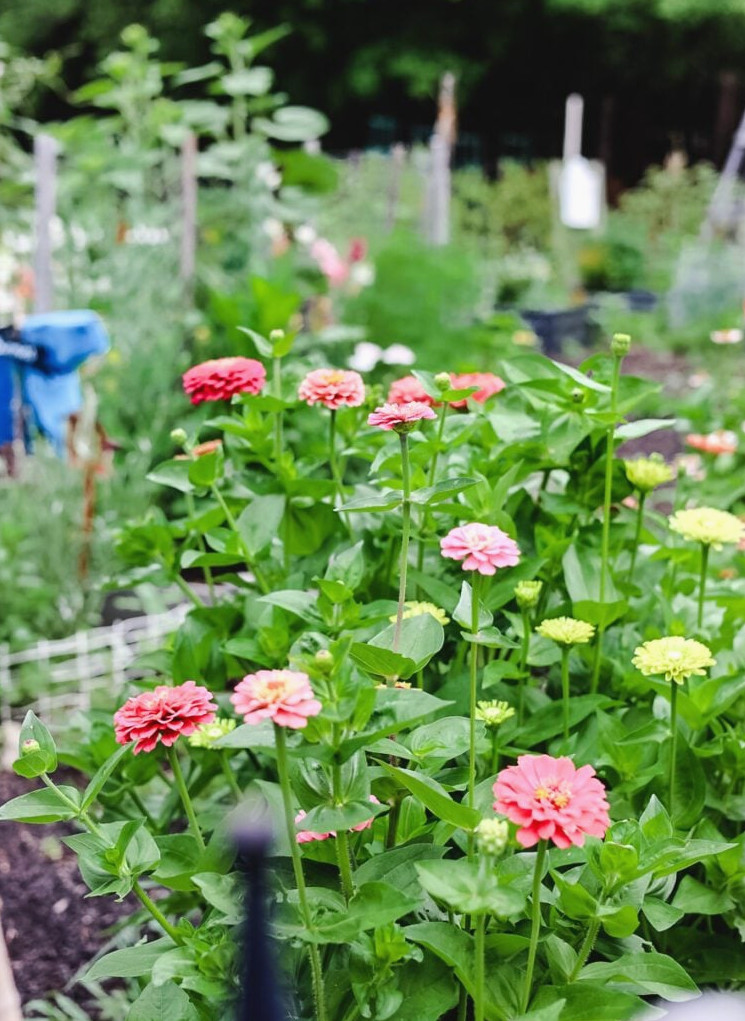
Why It Works:
- Encourages branching– Prompts 2-3 fresh stems to emerge from every cut
- Pushes flowering back slightly– But you’ll enjoy3x more bloomslater!
- Stops plants from becoming floppy– Produces stronger, wind-resistant plants
Top Zinnia Varieties for Your Garden
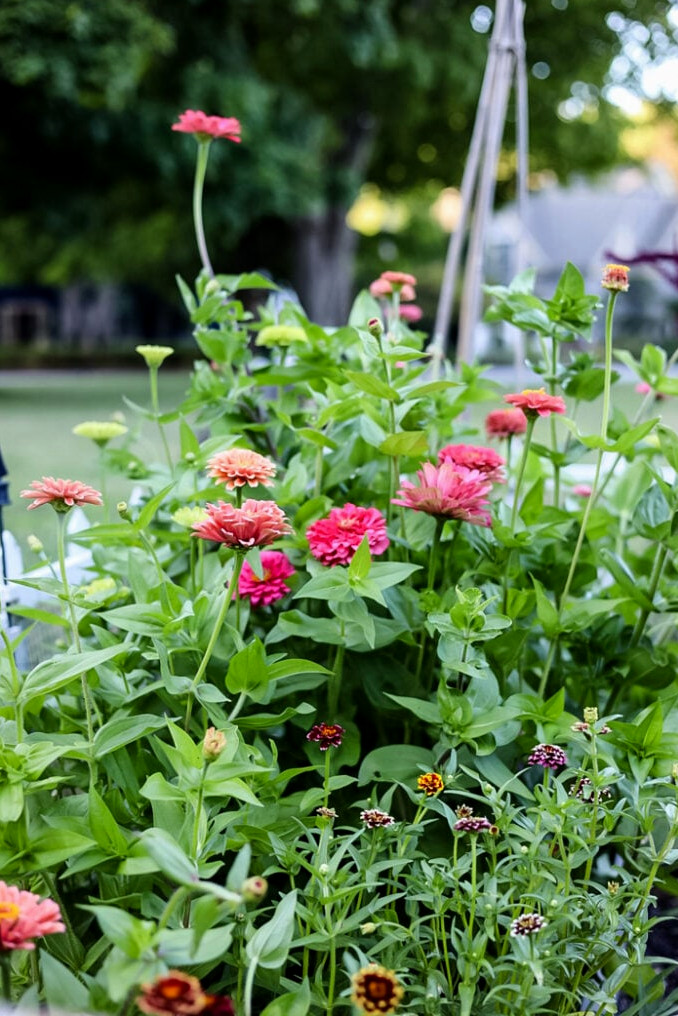
Over the years, I’ve grown plenty of zinnia varieties. Some became immediate favorites, others were single-season trials, and a handful caught me completely off guard. What I adore about zinnias is the incredible range within one flower: petite button-like blossoms and dinner-plate-sized giants, simple flat petals and full dahlia-style layers, familiar vivid shades and the most distinctive dusty, subdued colors you’ll ever find in a garden.
In my cutting garden, I prefer combining different heights and shades: compact varieties in front, taller plants behind, all spilling into one another by August. The result is the lush, untamed cottage garden appearance I’m always trying to create. These are the varieties I’ve personally grown and would happily sow again.
01. Queeny Series
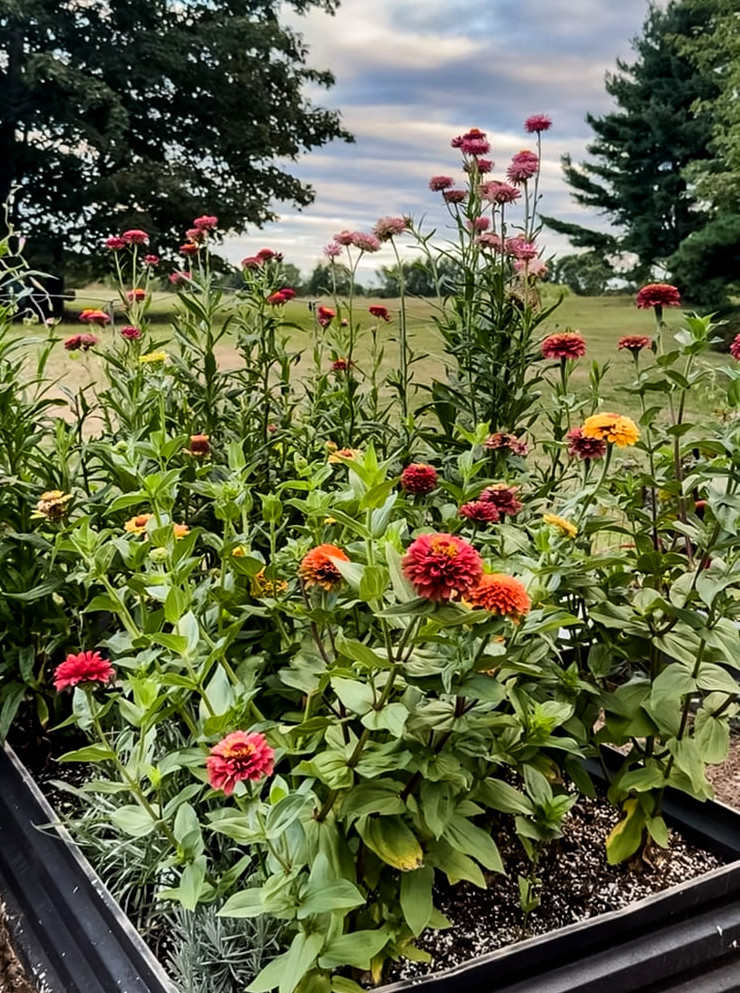
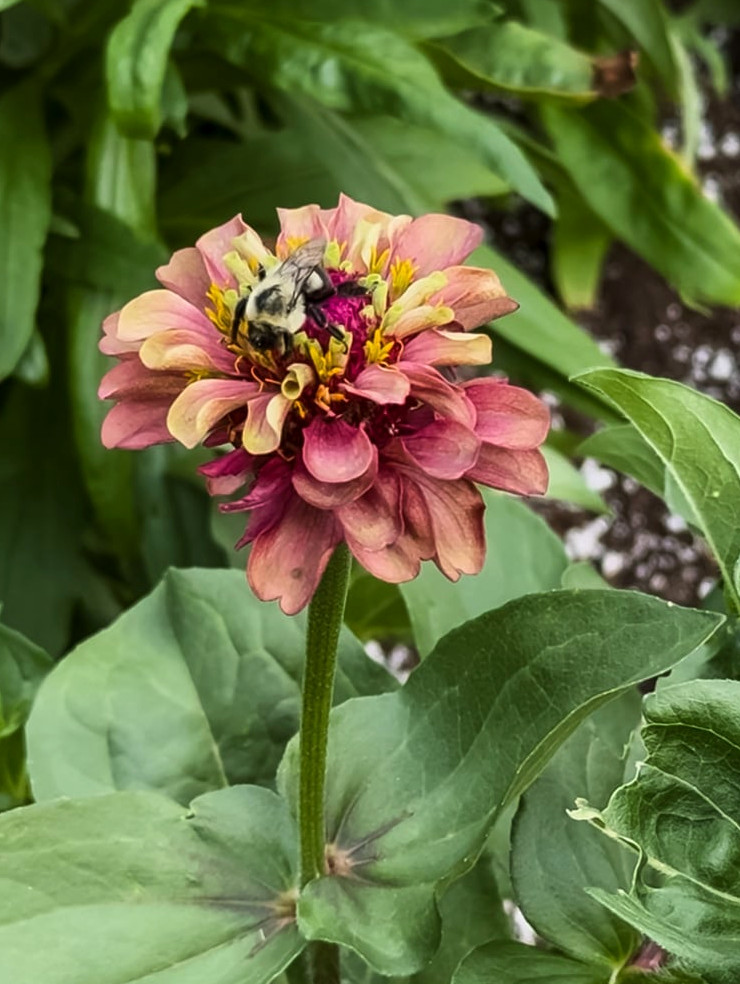
The Queen/Queeny series remains one of my favorite choices and a reliable part of my cutting garden. These zinnias make people stop and look! Their color range is unlike anything else, featuring dusty rose, gentle lime, warm blush, and peach-coral shades that are entirely different from ordinary bright zinnias.
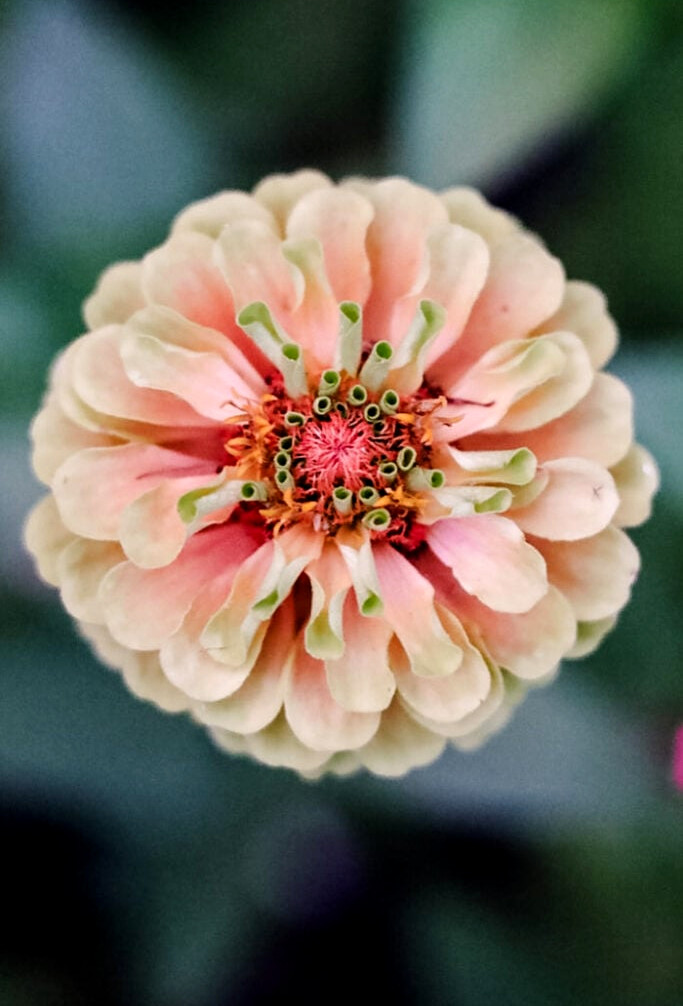
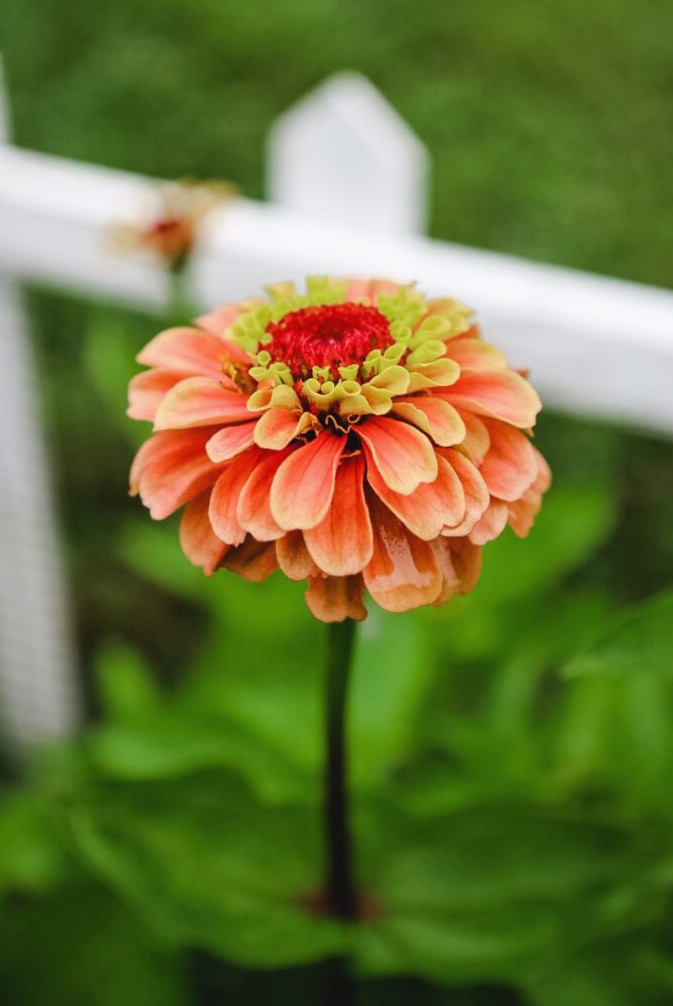
I’ve grown Queen ‘Orange Lime’, Queeny ‘Lime w Blush’, and Queen ‘Red Lime’ as separate varieties, and last summer I sowed the Queeny Mix, which includes the entire color range in one packet. Honestly? The mix is the best choice. You get a gorgeous blend of tones growing side by side, and they look stunning both outdoors and arranged in a vase.
Shop for the Queeny Mix at Johnny’s Seeds
02. Aurora
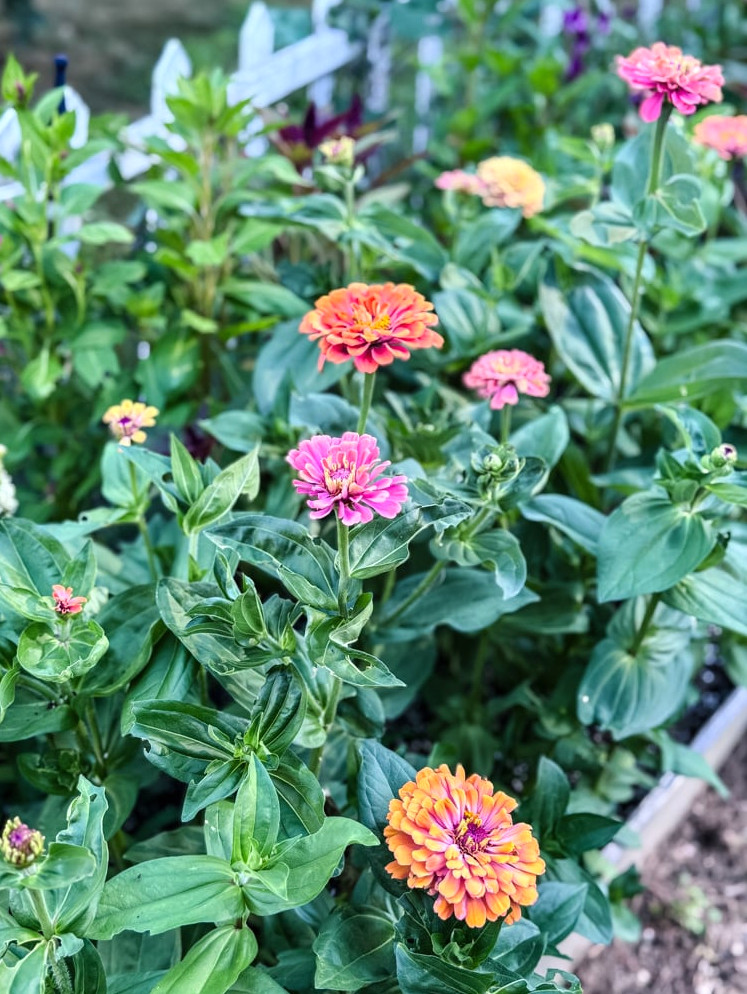
I’ve cultivated plenty of zinnias over the years, but Aurora has become my favorite. I never expected these blossoms to be quite so stunning, and what captivated me most was how every flower differed from the one beside it. The color scheme feels warm and timeless: apricot, coral, buttery yellow, gold, gentle orange, and pink, blended across large 4–6 inch, dahlia-like double blooms with contrasting centers. Since no two flowers were identical, each stem felt like a delightful little surprise.
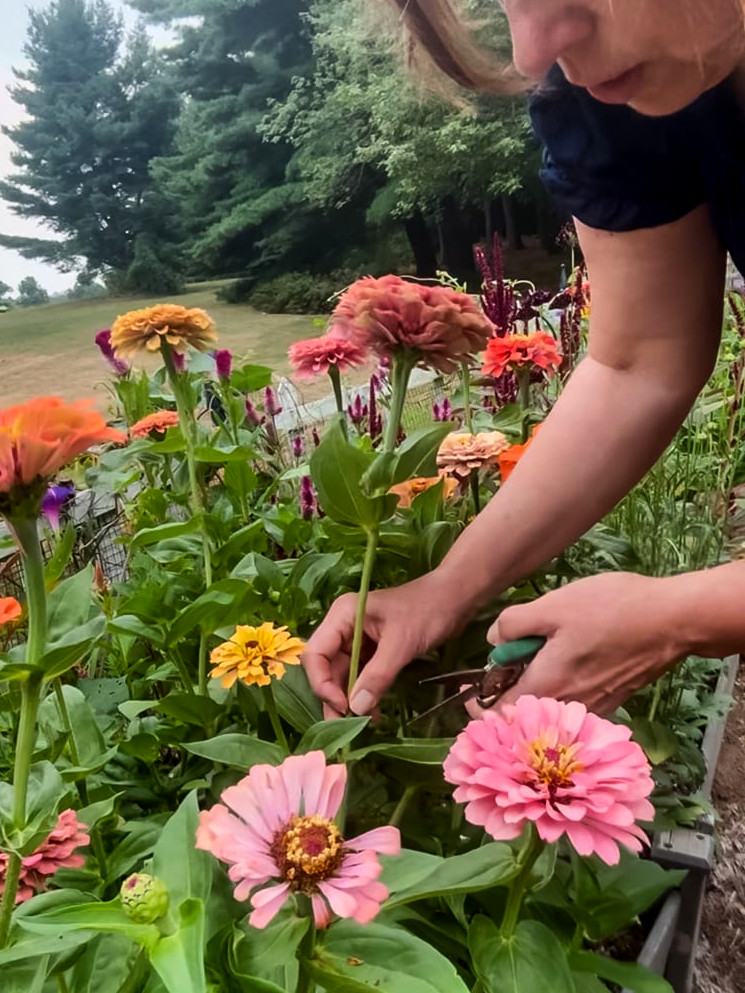
It blooms early, produces flowers abundantly, and grows long, durable stems, making it an excellent cut flower that lasts beautifully in a vase. If you’re going to experiment with just one unfamiliar zinnia variety this season, choose this one. I truly can’t recommend it highly enough.
03. Isabellina
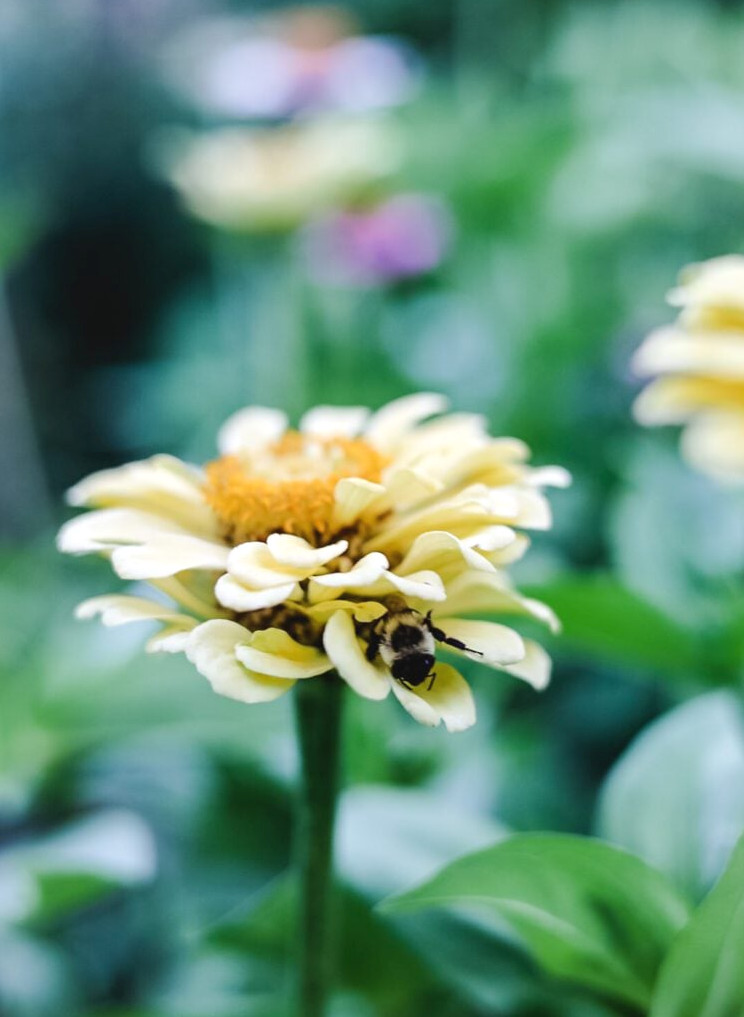
If your zinnia patch resembles mine, it can become wonderfully dramatic, with vivid pinks, striking oranges, and rich reds all vying for notice. That is precisely why Isabellina deserves a place in my garden each year. Its gentle, buttery yellow brings a refreshing pause among all those bold shades, and it is the kind of flower that enhances everything growing nearby.
Isabellina acts as the mediator in a vase. I especially enjoy combining it with richer, more intense zinnias, such as carmine reds and vibrant pinks; it tones down the entire arrangement while still holding its own. It is also beautiful by itself in the garden, particularly during late afternoon, when the pale yellow petals seem to shine.
Seeds available at Select Seeds
04. Benary’s Giant Lime
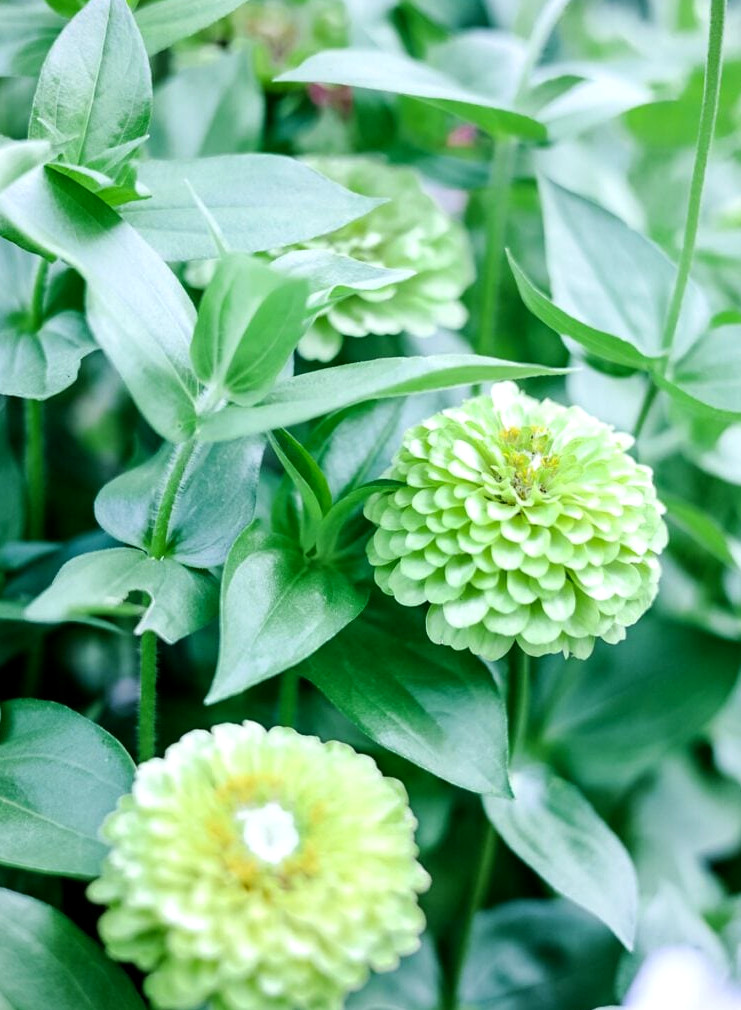
The name can be misleading: Benary’s Giant Lime is not truly lime green. Instead, it is a vivid chartreuse yellow with warm undertones, and it stands among the most attention-grabbing flowers in my cutting garden. The blossoms are huge, measuring roughly 3–4 inches across, and they grow on tall, sturdy stems made for cutting.
Benary’s Giant Lime earns its place in the garden because of the way it interacts with other colors. Set it beside hot pinks, vivid oranges, and deep carmine shades, and the entire planting comes alive. It follows the same idea as Isabellina, only with greater force: while Isabellina gently balances a bouquet, Benary’s Giant Lime gives it an electric spark. In a mixed zinnia arrangement, it is almost always the stem that catches everyone’s eye first.
The Benary’s Giant collection is among the most dependable cutting zinnia series you can grow, offering oversized flowers, lengthy stems, and exceptional productivity. The Lime is the most playful of them all!
Seeds available at Select Seeds
05. Benary’s Giant Salmon
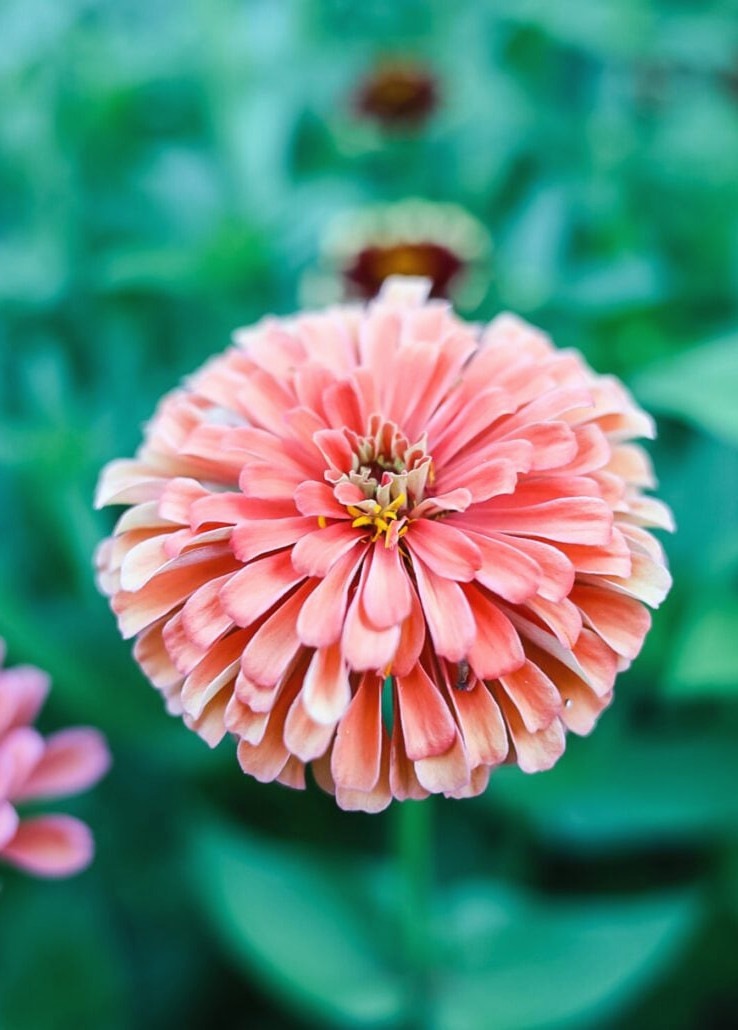
I have numerous favorite zinnias, and Benary’s ‘Giant Salmon’ ranks very highly among them. Last summer, I snapped an absurd number of pictures of these blooms, and I have absolutely no regrets.
This variety stands out because its color shifts beautifully across the petals. Rather than appearing as one even salmon shade, the flowers have layers: richer rose hues begin near the base and gradually fade into softer, peach-colored blushes at the tips. Every bloom has its own subtle variation, and under certain lighting, they seem almost radiant. The flowers are large, the stems are long and strong,and they look truly gorgeous arranged in a vase with Benary’s Giant Lime or combined with rich burgundy flowers for a striking contrast.
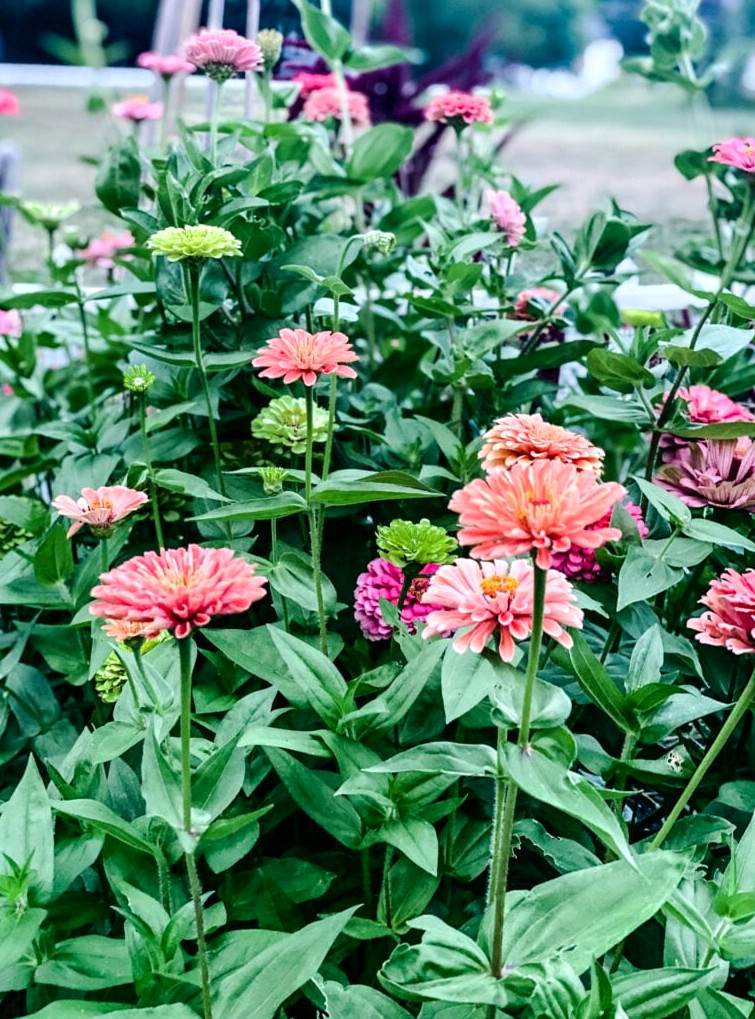
If you tend to favor the gentler, more romantic side of the color palette, this variety is essential. It has appeared in my garden every year since I first planted it, and I don’t see that changing anytime soon.
Seeds available at Select Seeds
06. Benary’s Giant Carmine Rose
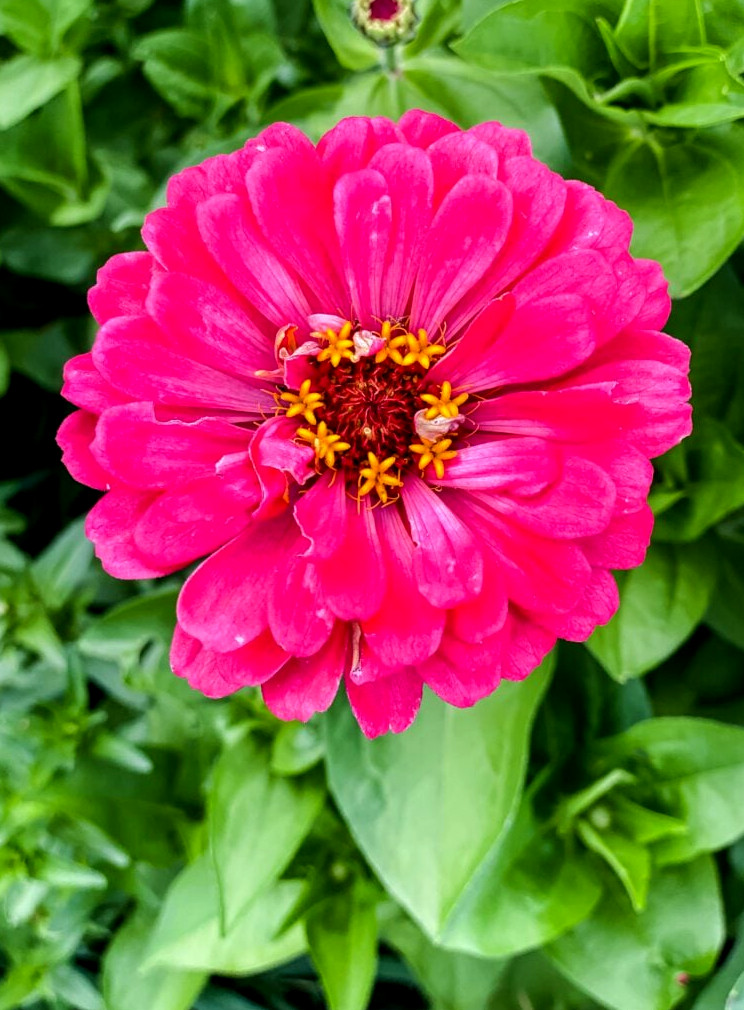
For gardens craving a burst of bold, unabashed color, Benary’s Giant Carmine is an ideal choice. Carmine is a rich, vibrant reddish pink—not a genuine red or a vivid hot pink, but a wonderfully striking shade between the two. Set against a generous 3–4 inch bloom and those strong Benary’s Giant stems, it commands attention.
It is an undeniable focal point in the garden. The color remains beautifully vibrant throughout the season without fading, while in a vase it gives mixed arrangements a strong foundation. I especially enjoy combining it with Isabellina or Benary’s Giant Lime for dramatic contrast. Deep carmine beside soft yellow is one of my favorite pairings in the cutting garden.
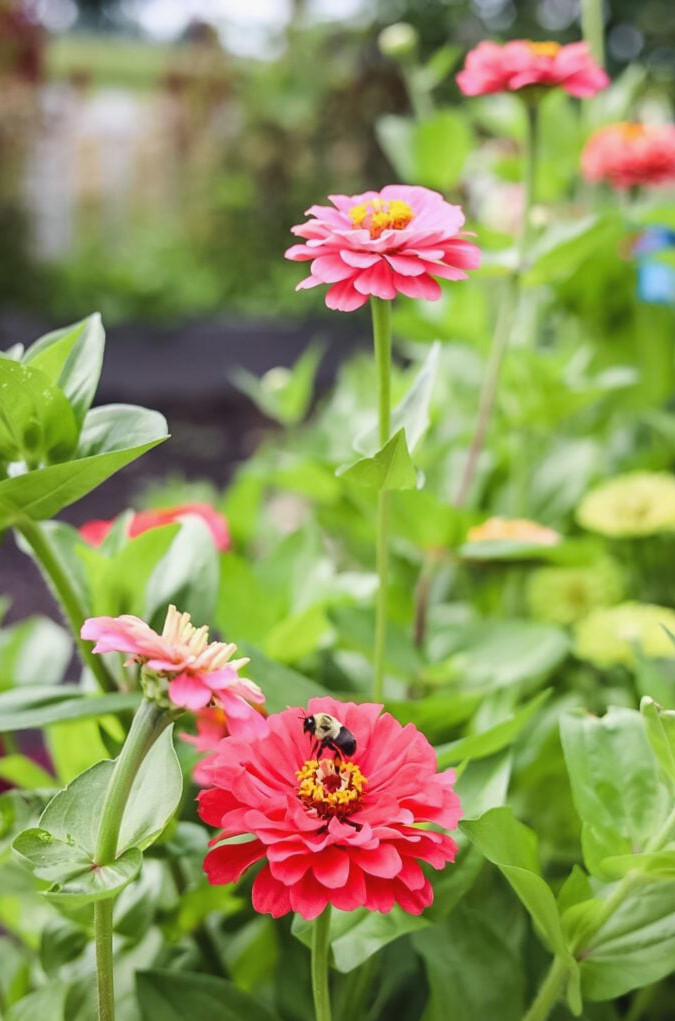
If you’re creating a zinnia garden and want a single variety that makes visitors pause and admire it, choose this one.
Seeds available at Select Seeds and Johnny’s Seeds
07. Benary’s Giant Bright Pink
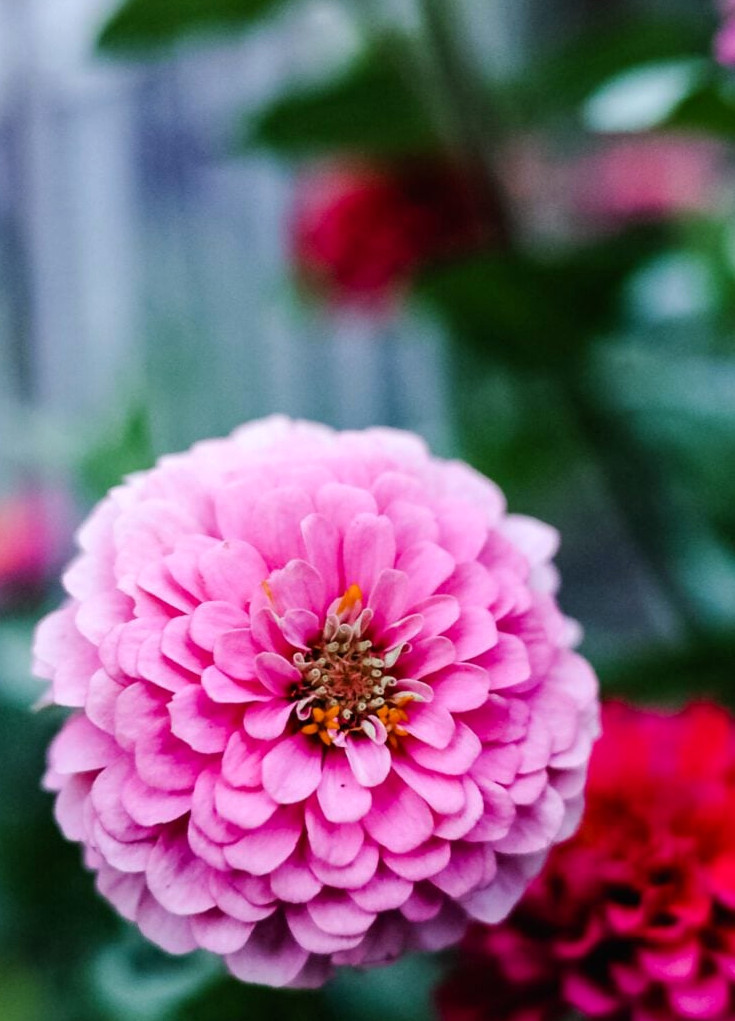
A flower doesn’t always have to be rare or surprising to deserve a spot in the garden; sometimes, it simply needs to express its true character flawlessly. Benary’s Giant Bright Pink does exactly that. This timeless, fully double zinnia features a crisp, genuine bright pink—without muddy shades or muted undertones—just a strong, richly saturated color that stands out beautifully across the garden.
The blossoms are broad and abundant, packed with successive layers of petals, making them exceptional for bouquets. In a vase, a stem of Benary’s Giant Bright Pink combined with Isabellina, Ballerina, and Benary’s Giant Lime creates one of my favorite summer displays. The pink provides a visual foundation and brings out the beauty of the softer shades beside it.
It is also among the most dependable varieties in the Benary’s Giant series: abundantly flowering, supported by sturdy stems, and productive throughout the season. A timeless favorite for good reason.
Seeds available at Johnny’s Seeds
08. Bernary’s Giant Scarlet
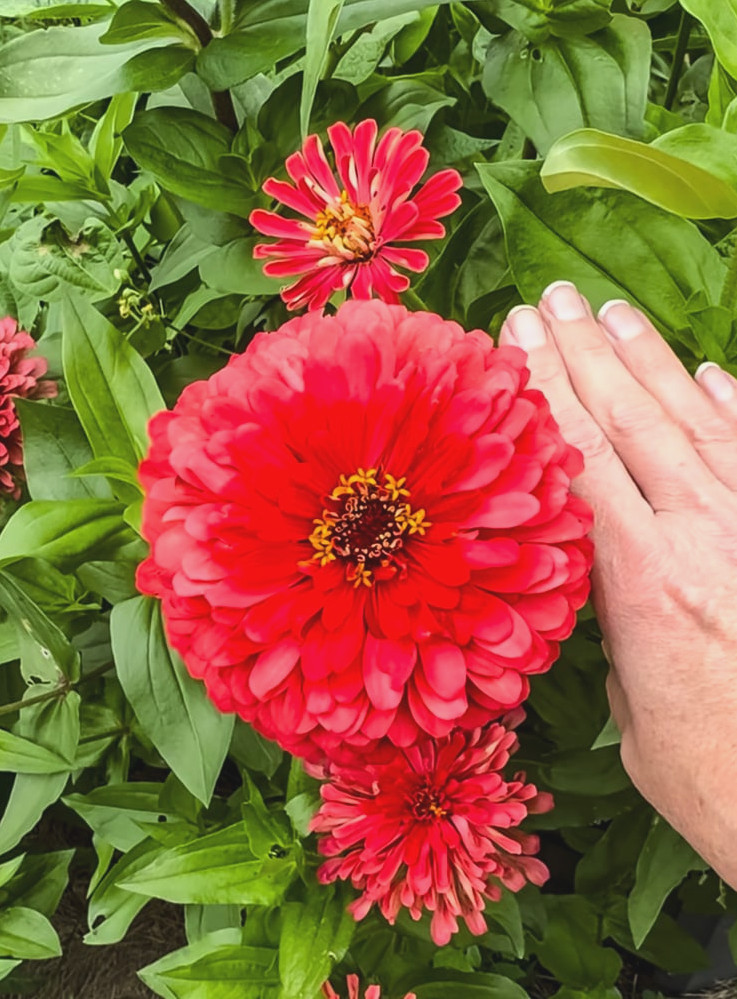
Benary’s Giant Scarlet is the vivid, joyful centerpiece every zinnia bed deserves. Its rich red coloring brings genuine depth and a touch of drama to both the garden and floral arrangements.
What I appreciate most about this variety is how versatile itis equally lovely as a cut flower. Combine it with Benary’s Giant Bright Pink for a romantic, abundant display. Place it beside Benary’s Giant Lime or Isabellina, and the contrast is breathtaking. The rich red paired with a gentle buttery yellow is one of those combinations that succeeds every time. It also complements the delicate shades of Ballerina and Aurora beautifully, bringing a touch of drama without overpowering the arrangement.
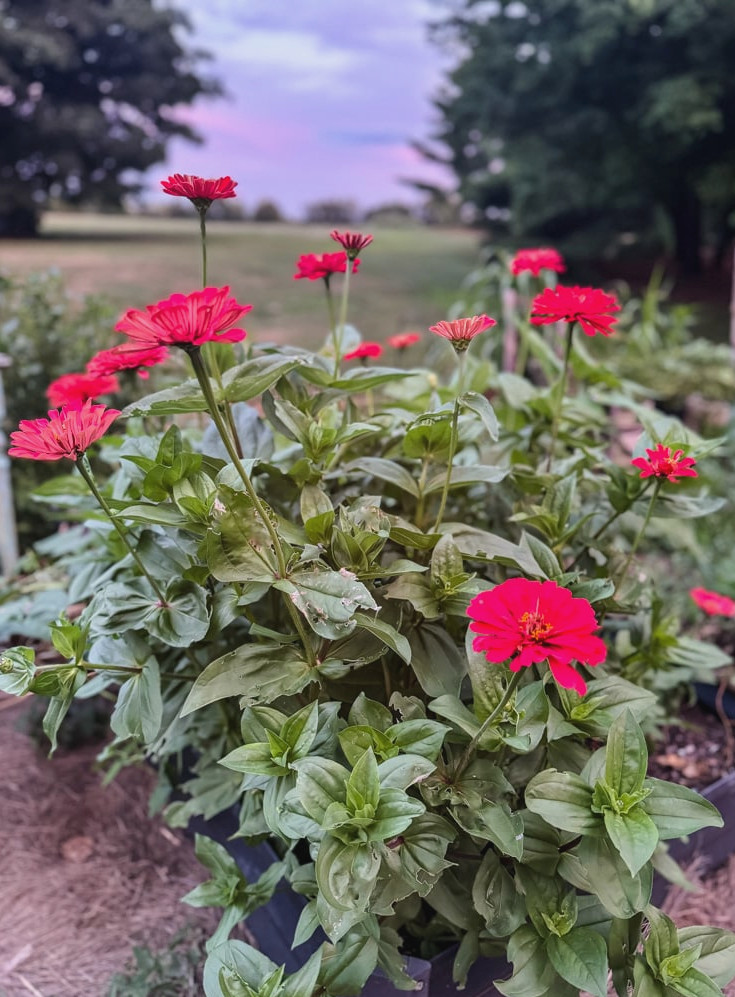
As with all the Benary’s Giants, this variety produces tall, durable stems and remarkably abundant plants. For a cutting garden designed around bouquets, it is one of those flowers that enhances the appearance of everything else in the vase.
Seeds available from Johnny’s Seeds
09. Agave
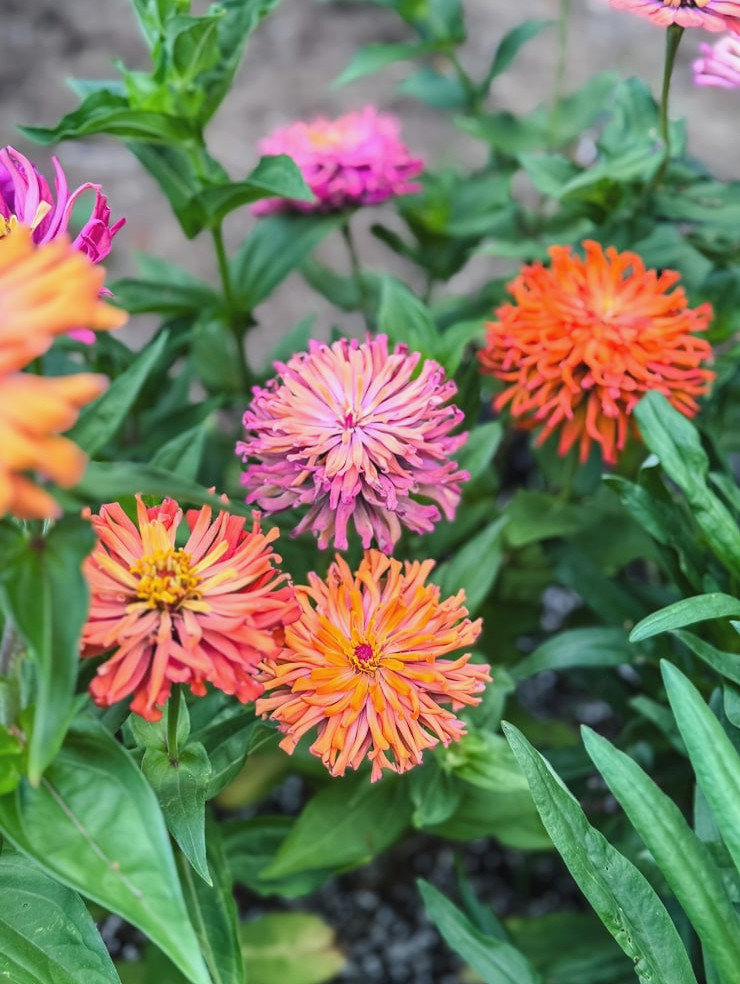
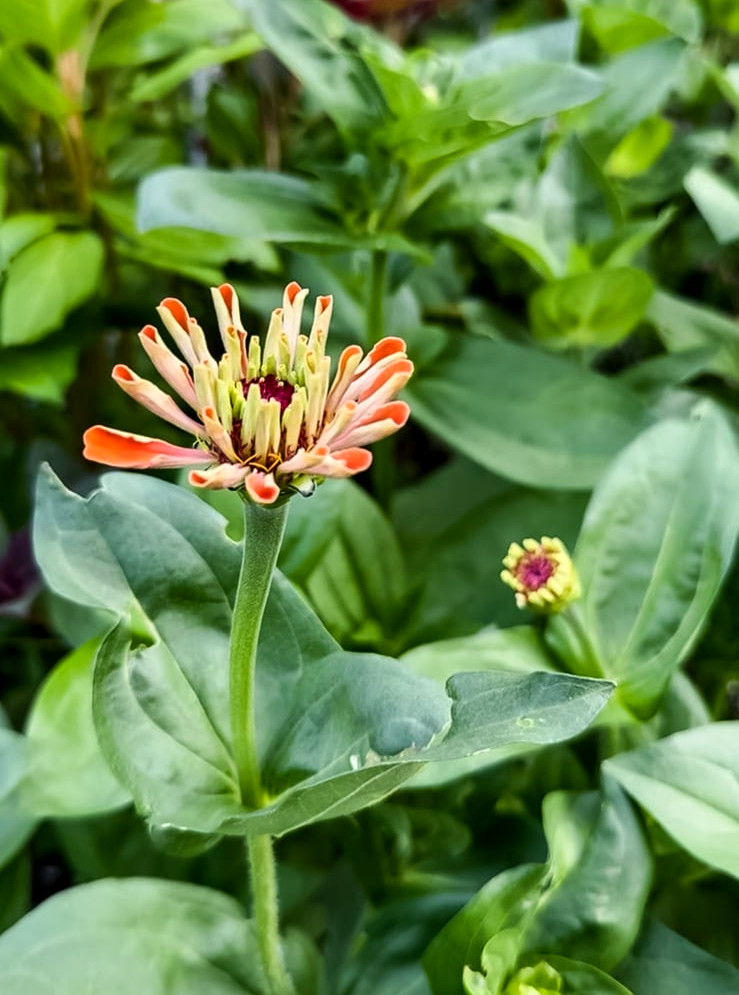
Agave was unlike any zinnia I had grown previously, which is precisely what made me adore it. This cactus-flowered variety has heavily curled, pointed petals rather than the smooth, layered blooms typically associated with zinnias, giving it an almost architectural appearance. Combined with its color range—a harmonious mix of muted buff, coral, gold, peach, pink, and orange across large 4–6 inch flowers—the result feels as though it came straight from a Dr. Seuss garden. Uncommon, slightly untamed, and utterly mesmerizing.
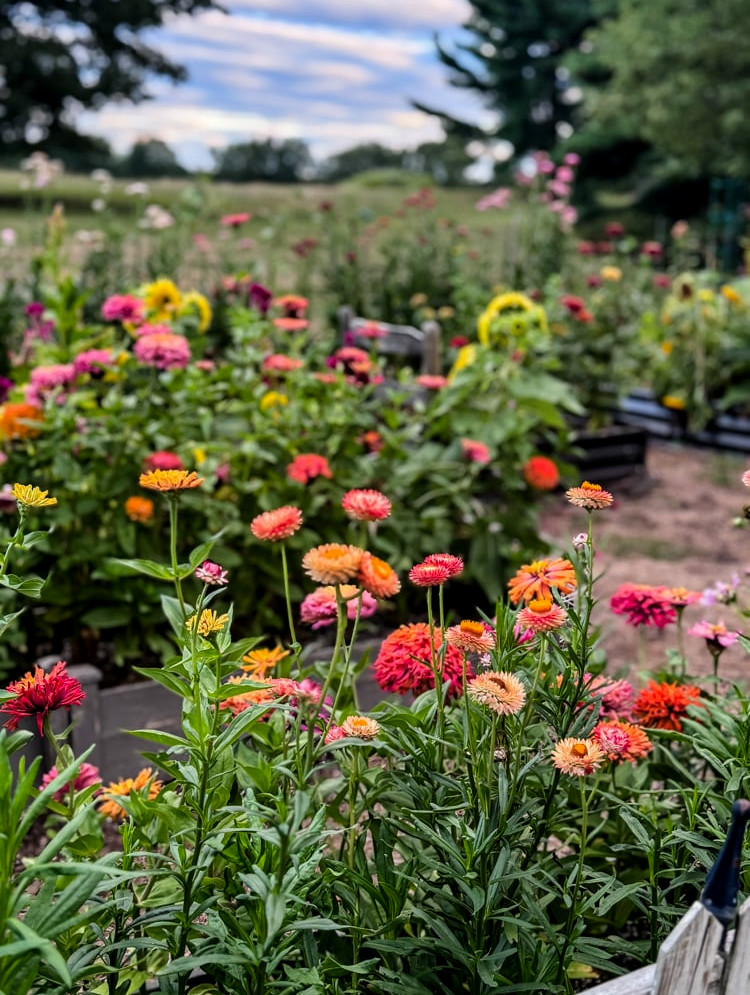
It quickly became a favorite topic of conversation in the garden, while its spiky texture created remarkable visual appeal in a vase with Aurora and Ballerina. If you enjoy flowers that make visitors pause and wonder, “What is that?”, Agave is worth growing.
Purchase Agave zinnia seeds from Johnny’s Seeds
10. Jazzy Mix Zinnia
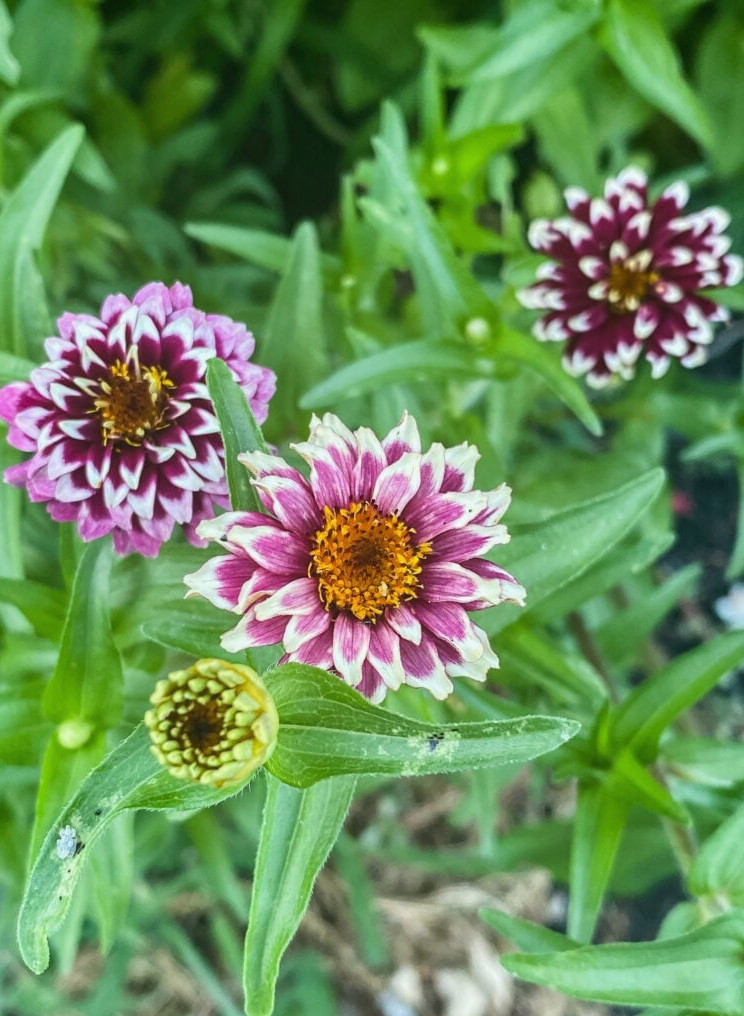
The Jazzy Mix is the unconventional choice in my zinnia collection, and I say that as a compliment. While the other flowers in my cutting garden rise 3–4 feet high and produce dinner-plate-sized blooms, Jazzy follows its own compact and prolific path along the front of the border, staying covered with flowers throughout the season.
Rather than being the common zinnia (Zinnia elegans) represented by most varieties here, this is a Mexican zinnia (Zinnia haageana). Its distinctions are clear: the plants remain below 18 inches, the blooms are petite and button-shaped at roughly an inch across, and the overall impression is closer to a wildflower than a formal cutting-garden specimen. Still, Jazzy more than compensates for its smaller size with extraordinary abundance. The plants flower with impressive consistency, and pollinators gather around them all summer.
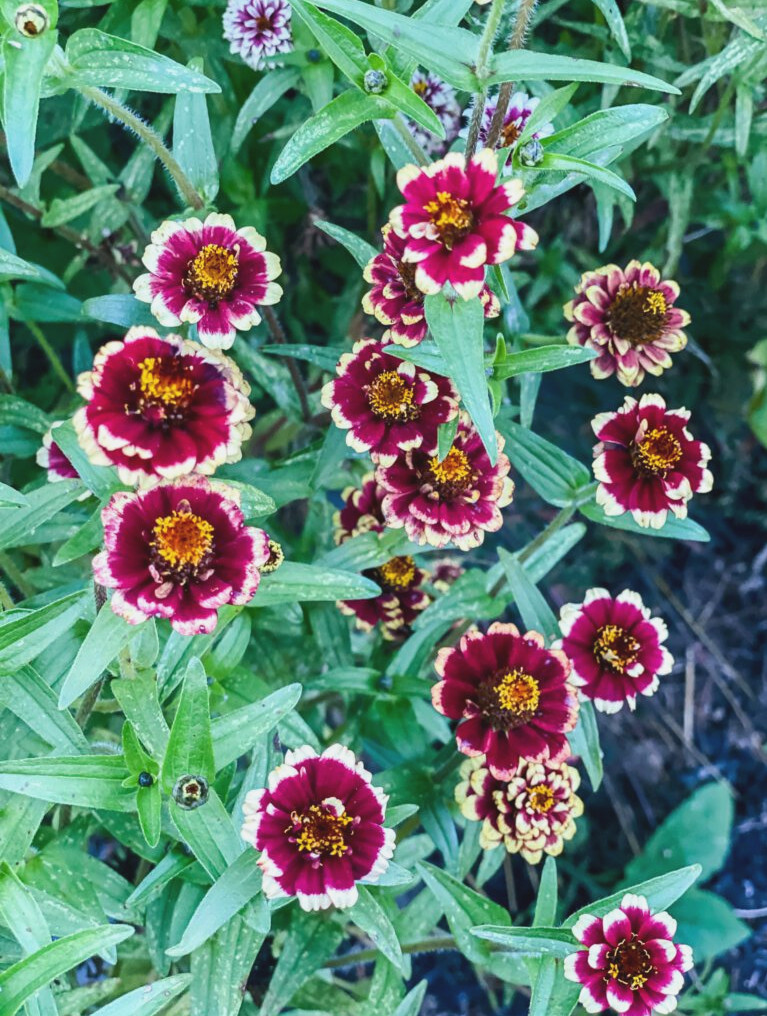
Because of their shorter stems, they are not the ideal choice for cutting, but they are excellent as border plants or fillers at the front of a bed. And really, introducing a different scale helps prevent a garden packed with giant flowers from becoming visually repetitive.
Jazzy zinnia seeds are available from Johnny’s Seeds
11. Ballerina-The Dahlia-Like Beauty
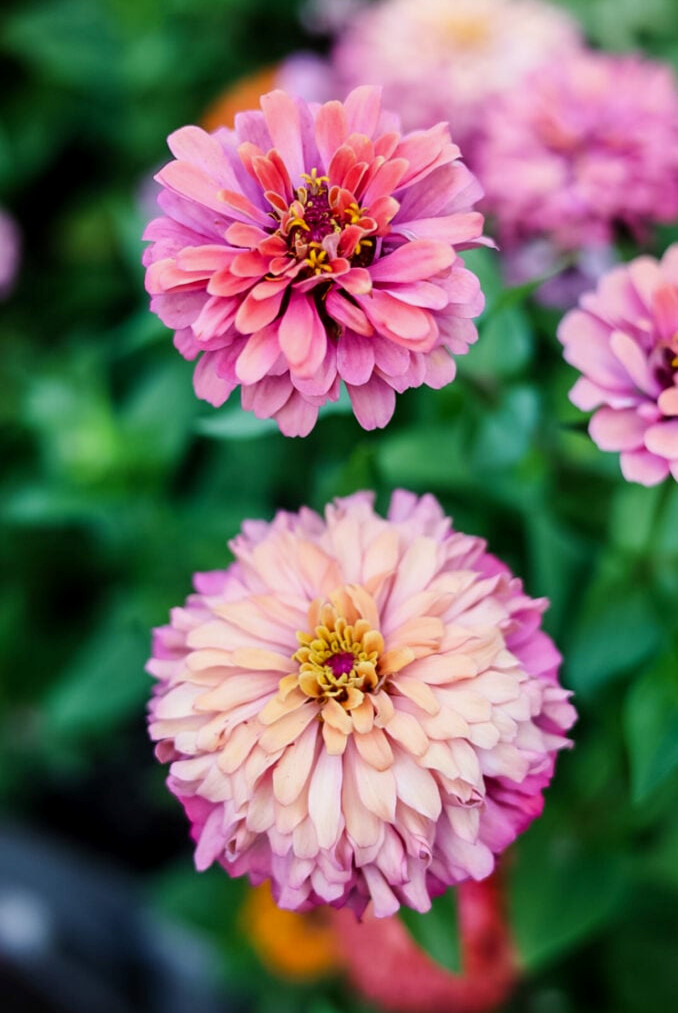
Ballerina turned out to be a delightful surprise, and its name could not be more fitting. Its soft pink and pale peach flowers reach 4–6 inches across, while the dense, layered dahlia-and-cactus-style shape gives bouquets an especially lavish appearance. Aurora offers warm, nostalgic shades and Agave adds bold drama, but Ballerina contributes an unmistakably romantic touch.
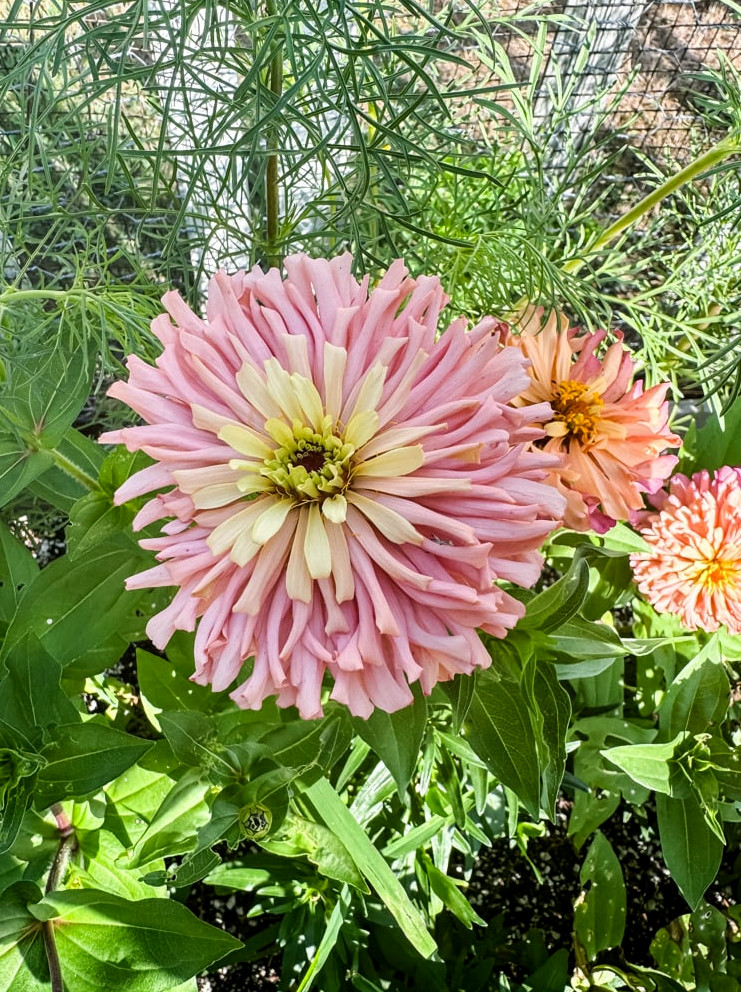
The flowers remain reliably gorgeous, producing a high proportion of double blooms. When arranged together in a vase, Aurora, Agave, and Ballerina work wonderfully as a trio: warm shades, distinctive texture, and delicate pastels balance one another beautifully. I will definitely be planting all three again.
Shop for Ballerina zinnia seeds at Johnny’s Seeds
12. Mazurkia
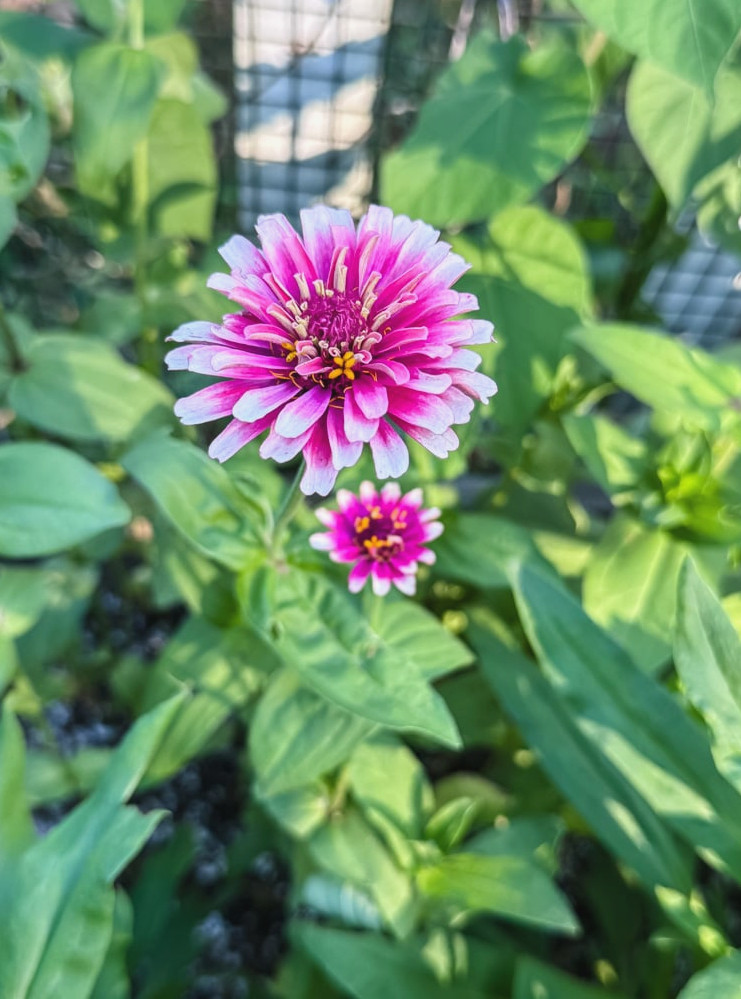
Mazurkia has been a dependable part of my cutting garden from the start, and it continues to deserve a place there year after year. Nothing else on this list looks quite like it: vivid cherry-red petals marked with lovely cream and white streaks, creating an almost nostalgic two-tone effect that catches attention both outdoors and in arrangements.
It is not a giant—the flowers are more modest than Benary’s Giants, and the stems are somewhat finer—but its 3–4-foot height allows it to stand confidently in a cutting garden. I choose it whenever an arrangement needs a touch of elegance; the cherry and cream coloring combines beautifully with the rich burgundy of Benary’s Giant Wine or Aurora’s gentle peach shades.
For anyone drawn to blooms with a timeless, cottage-garden character, Mazurkia is certainly a worthwhile addition to a zinnia collection.
Purchase Mazurkia seeds from Select Seeds
Zinnias Ideal for Beginners
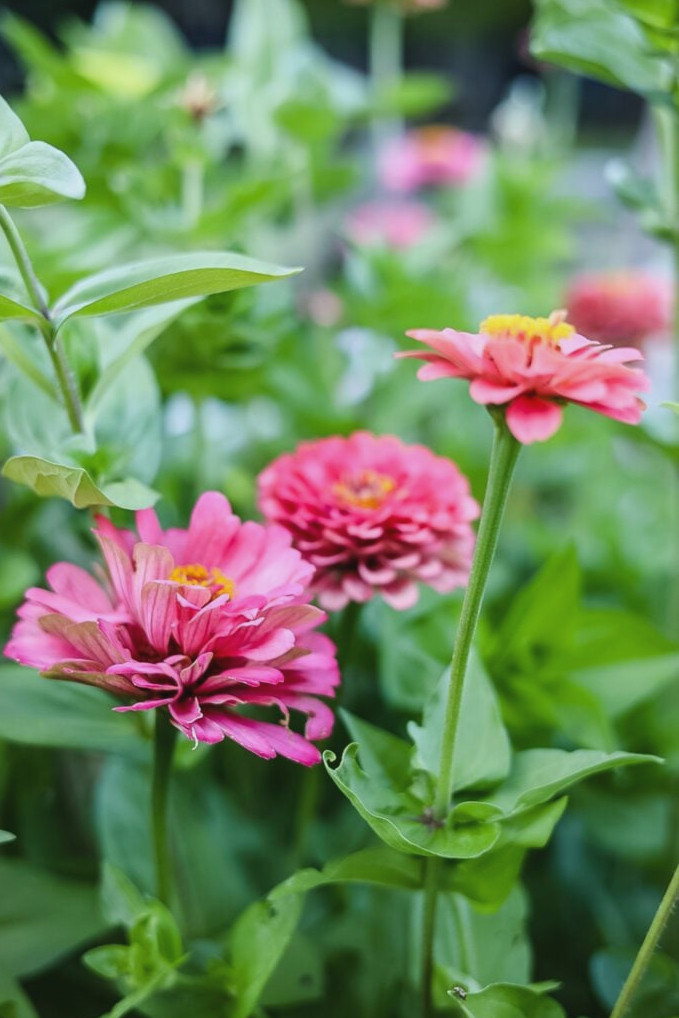
Benary’s Giant
Why?Large, dahlia-style flowers (3-4″) carried on sturdy 3-4’ stems
Bonus: Superb for cutting, with vivid shades such as coral and lime green
Queeny(Series)
Why?Soft, romantic flowers in dusty pink and lime tones, along with strong mildew resistance
Zinderella(Series)
Why?Its fluffy central dome gives this zinnia a distinctive and entertaining appearance
Oklahoma(Series)
Why?Handles dry conditions well and produces charming button-shaped blooms on sturdy stems
Zahara (Series)
Why?Resistant to disease and exceptionally long-flowering, with striking colors such as ‘’Raspberry Ripple”
Thumbelina
Why?Adorable dwarf type (6-8″) that works wonderfully in containers and children’s gardens
State Fair
Why?A traditional giant zinnia with 4-5″ flowers that grows readily from seed
Persian Carpet
Why?Two-toned, cottage-inspired flowers that draw in pollinators abundantly
My Top Online Sources for Zinnias: Johnny’s & Select Seeds
Looking for More Zinnia Flowers? Cut & Enjoy!
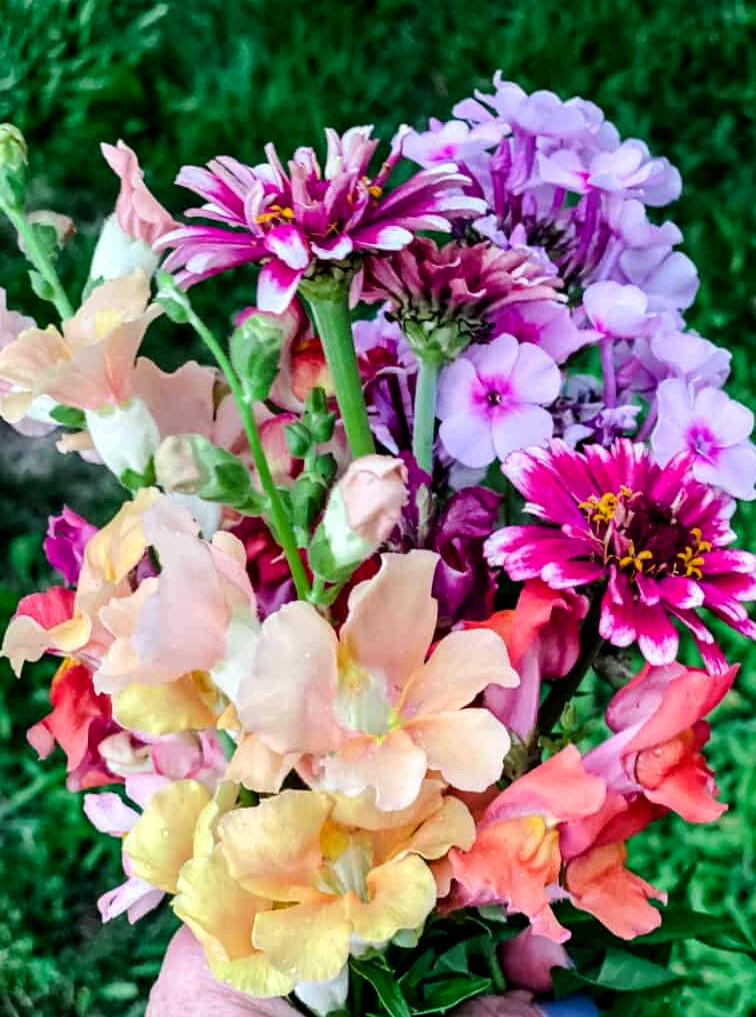
Here’s a gardening tip where everyone wins:snipping your zinnias for bouquets encourages them to produce even more blooms!Rather than only removing faded flowers, pick up your shears and:
- Trim stems at a 45° anglejust above a leaf joint
- Choose lengthy stems(8-12″) for floral arrangements
- Strip away any leavesthat would rest beneath the waterline
Here’s why it works:
That meanstwice the delight– a more abundant gardenandfresh bouquets throughout the season!
Have questions? I’ve got answers!
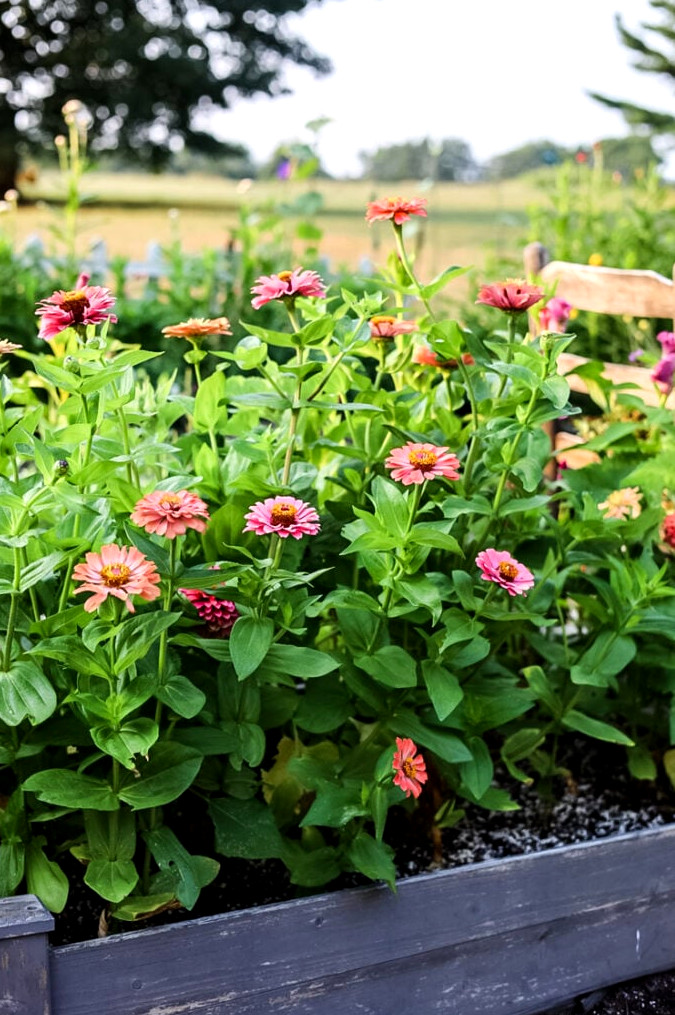
Zinnias: Your Pathway to Gardening Happiness
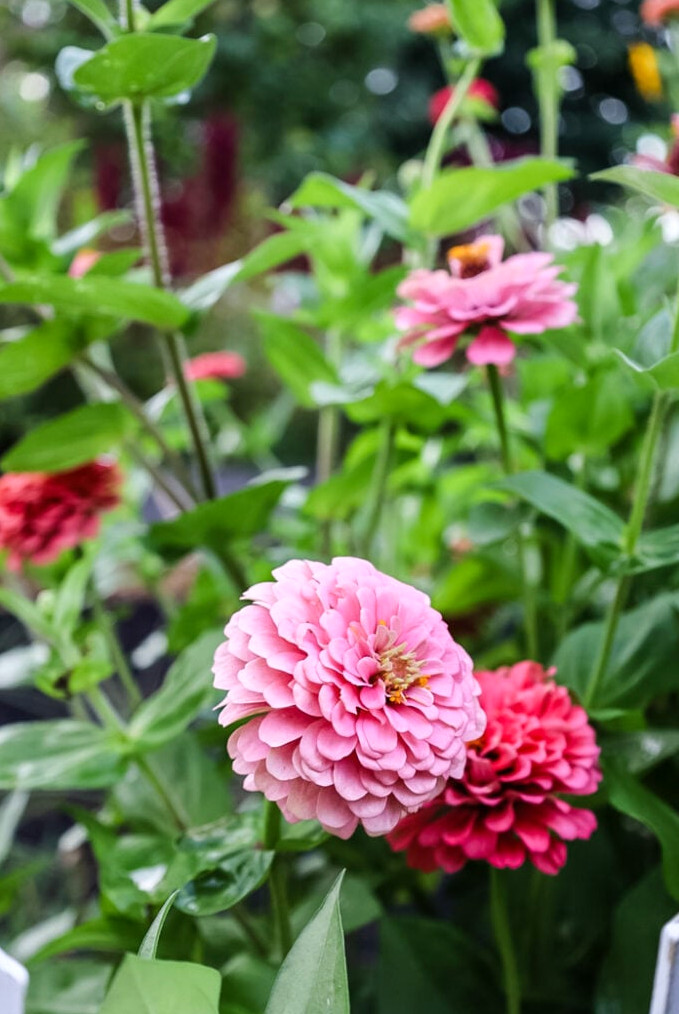
For many years, zinnias have earned a place in my cutting garden each summer, and I can’t imagine that changing soon. They’re incredibly simple to direct sow, remain in bloom until frost, and fill my kitchen-table vases more generously than any other flowers I grow. Each season, I experiment with several new varieties, and they manage to delight me all over again. This year, Aurora was the one that truly caught my attention, though next year another variety may take its place. That’s the charm of zinnias. There is always a new cultivar worth growing.
Those just beginning a cutting garden should start with this list. And if you’ve cultivated zinnias for years, I hope you discover a new favorite to include in your collection this season. Either way, pick up some seeds, sow them in warm soil, and get ready to spend the rest of summer gathering armloads of flowers while asking yourself why you didn’t plant even more.
Show off your garden! If this project, or any of my other DIY ideas, has inspired you, I’d be delighted to see your work and feature you in the Reader’s Spotlight gallery. Email a photo to jennifer@cottageonbunkerhill.com
xo, Jennifer
Growing Zinnias
•Zinnias are annual flowers for warm weather that flourish in full sunlight and soil with good drainage. •Sow seeds directly outside after the final frost date, when the soil temperature has reached at least 70°F.
•Sow seeds ¼ inch deep, spacing them 6-8 inches apart according to the variety.
•Apply water at the plant’s base (avoid overhead watering),
•Pinch plants once they reach 10–12 inches to encourage fuller growth, then cut stems often to promote continued flowering.
•For Zone 6a New England, the best time to plant is from late May through early June.
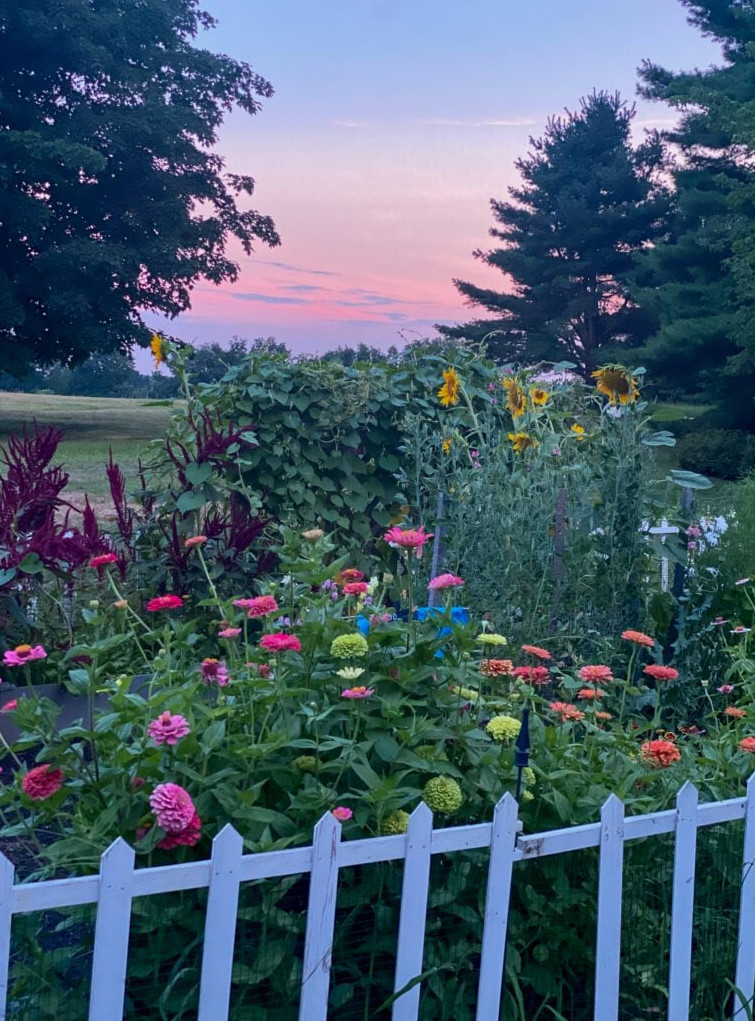
If you’re hoping to create a cut-flower garden but don’t know how to begin, take a look at How to Start a Cutting Garden to learn how I transformed this grassy patch into such a lovely space! It’s hard to believe this garden is only entering its second season, isn’t it?
Additional Gardening Reads:
Cottage Garden
Top Products
Explore my favorite gardening essentials! Raised beds, plant supports, & tools that help your garden flourish.