If May is the garden’s busiest month and June is when everything begins gathering momentum, July is the time the garden finally gives something back. All those early mornings spent hardening seedlings, preparing beds, planting, and waiting lead to this moment—July is the payoff. Nearly everything seems to double in size overnight, harvests begin arriving faster than you can manage, and few things compare to stepping into the garden and returning indoors with the makings of dinner.
July was exceptionally hot here in New Hampshire! We experienced stretches of days above 90 degrees, which is far from ordinary for our area. The heat accelerated growth, but it also required careful monitoring of containers because they dry out quickly when temperatures soar. Thankfully, we received a reasonable amount of rain this month, so I wasn’t constantly watering by hand—but on those 98-degree days? Definitely.
Here’s a look at the garden in July and the tasks to prioritize this month.
Welcome! I’m Jennifer from Cottage on Bunker Hill. I’ve been gardening at home for more than 20 years, with the past 5 years devoted especially to our cut flower garden. Through plenty of experimenting, mistakes, and dirty knees, I’ve learned what truly works. My goal is to grow flowers with intention, whether they’re destined for a vase on the kitchen table or for long-lasting projects, using straightforward, dependable methods suited to a genuinely busy life.
The Harvest Has Arrived
This is the reason we garden in the first place. July delivered the season’s first substantial harvests: summer squash and zucchini, green onions, the last of the snow peas and sugar snaps, tomatoes, and green beans. Eating something you have grown yourself is incredibly rewarding, and July is when that experience begins happening regularly.
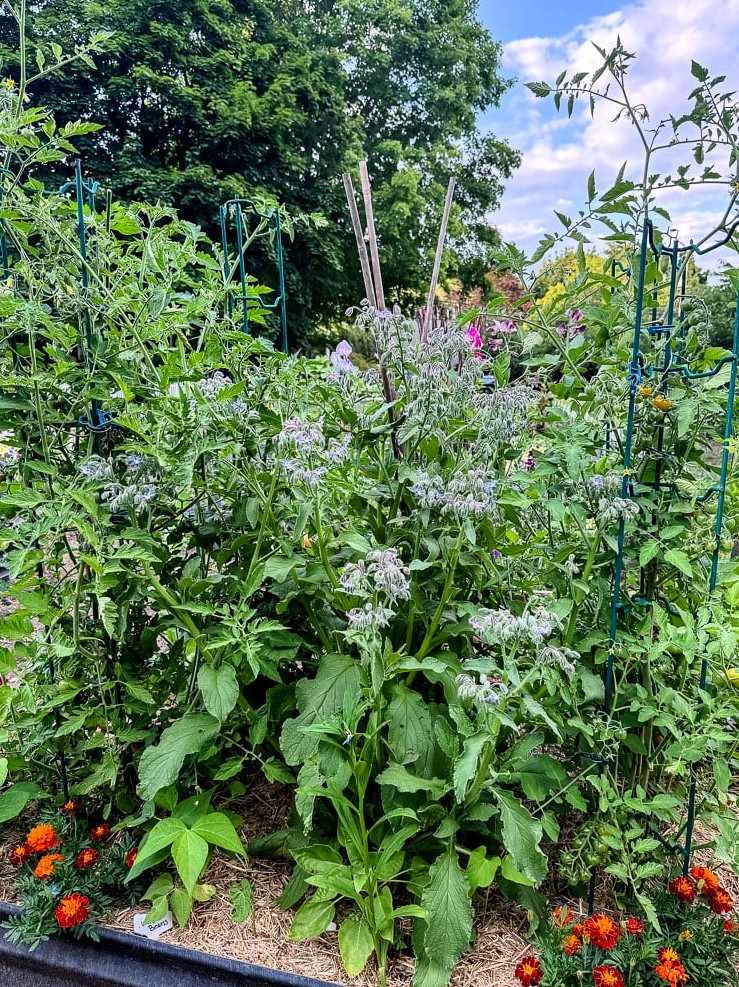
Since June, my tomato plants have grown to three times their size! This raised bed shows how completely it has filled out with a combination of vegetables, herbs, and flowers. I grew wax beans beside the tomatoes, which appreciate a bit of shade. The borage in the middle is nearly as tall as the tomato plants! One enjoyable part of gardening is discovering volunteer plants; this bed contains a few dwarf sunflowers along with a strawflower that reseeded itself.
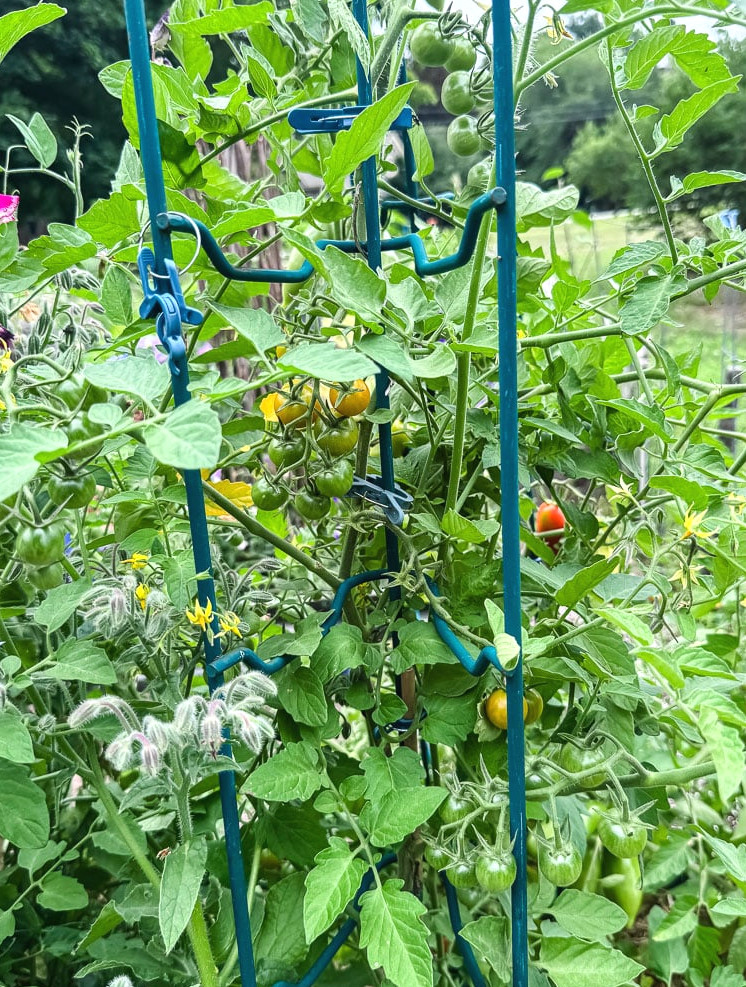
The summer squash and zucchini have been producing continuously. Anyone who has grown zucchini knows that harvesting must be kept up with, or you’ll soon have vegetables resembling small boats. At this stage, I inspect the beds every day. The green beans have also performed wonderfully, particularly alongside the tomatoes, where they have thrived throughout the season.
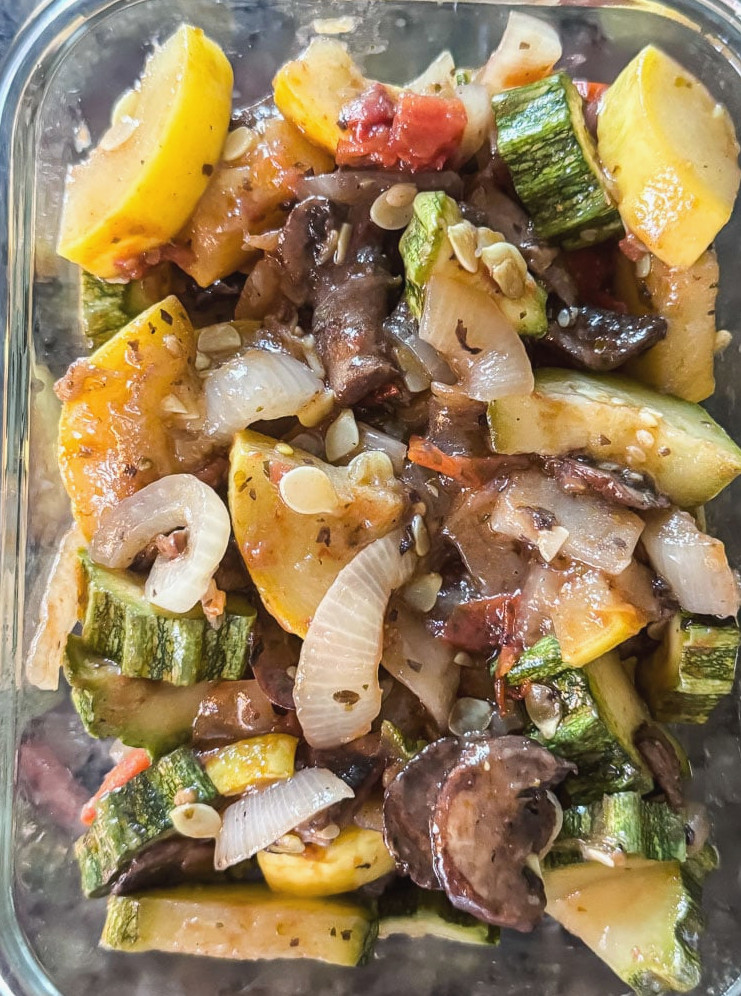
Recently, my favorite lunch has been sauteed garden vegetables with grilled chicken. It’s simple, but incredibly tasty and full of summer flavor!
The snow peas and sugar snaps are tapering off now, and this was not my best season with them! Spring growth was slow, but they eventually caught up, and I’ve enjoyed the crop we received. Still, I plan to sow another batch for a Fall harvest.
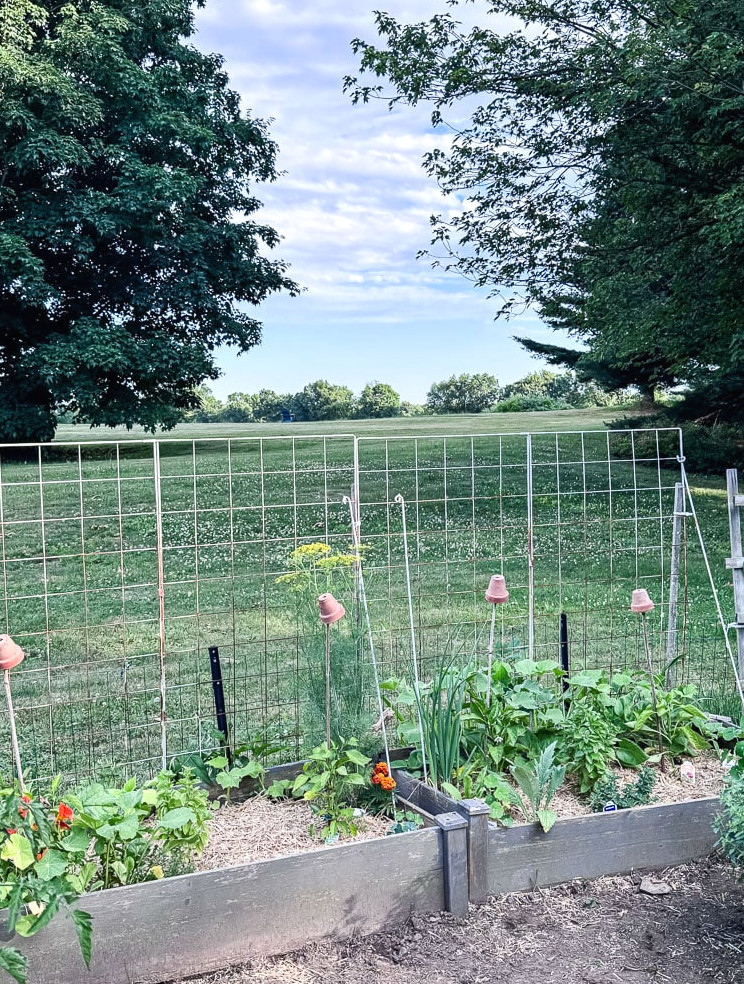
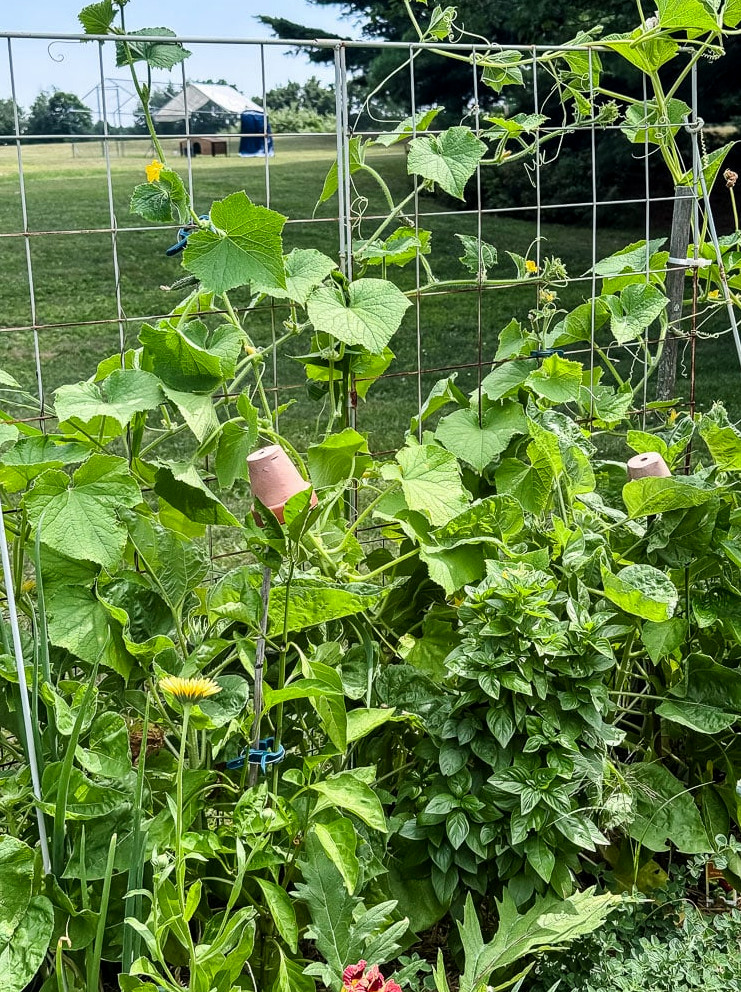
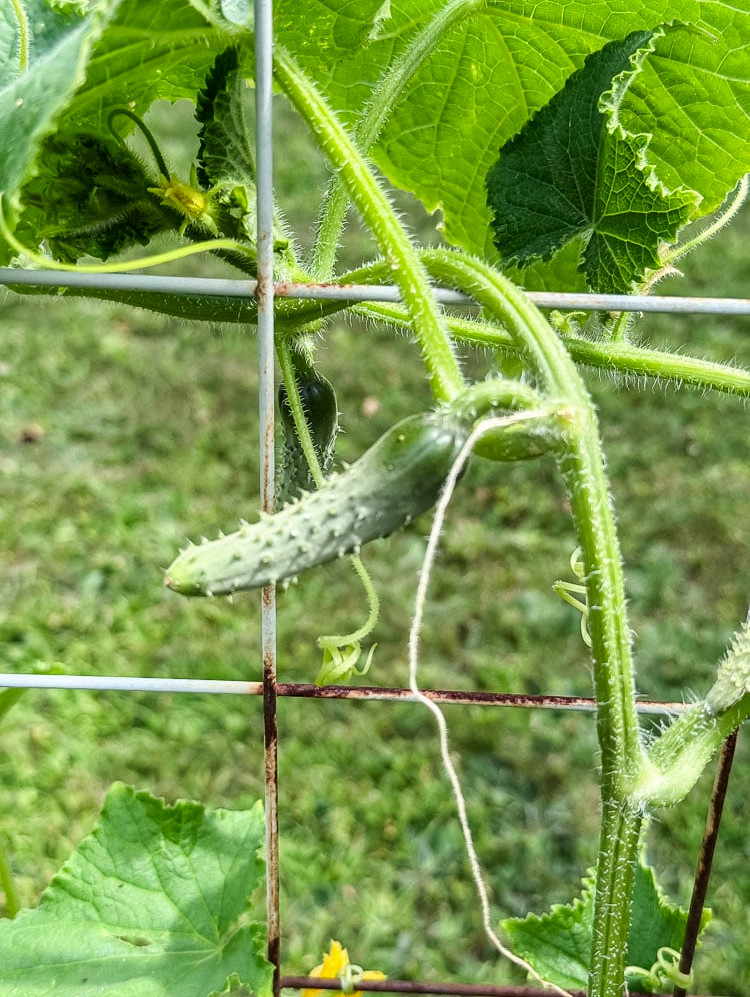
There are no cucumbers yet, but the plants have become enormous!! Compare the June pictures with those from July! These beds have become much fuller over the past several weeks.
Handling The Heat
This year, July temperatures in New Hampshire have been far from mild. We reached 99º at one point, which is not something this zone 6a gardener dismisses. The raised beds performed well. The hay mulch I applied in June truly proved its value this month by preventing the soil from drying too rapidly between waterings.
Containers are another matter. They lose moisture much more quickly than in-ground or raised-bed plantings, and during intense heat, they can shift from fine to completely dry in one afternoon. I checked the containers every day and watered them more frequently than anything else in the garden. If you have numerous containers, a week of hot weather is when they require especially close monitoring.
Luckily, we received enough rain during the month that I didn’t have to hand-water everything nonstop, but I took no chances on the hottest days.
heat control checklist
Keeping Pests Under Control
Garden pests become especially noticeable in July, and this year has been no different. I’ve noticed squash bugs on the squash plants (as well as other plants) and have been routinely inspecting the undersides of leaves for clusters of eggs. Squash bugs are crafty! They conceal themselves well, and their eggs are easy to overlook unless you examine carefully. I promptly remove any eggs I discover and monitor the plants closely. I have 2 methods for removing the eggs: at times I simply rip away that portion of the leaf, or I place duct tape around my fingers with the sticky side facing outward and lift the cluster off that way.
I’m also keeping a close watch for tomato hornworms. These pests are excellent at hiding. They match the tomato foliage so well that by the time you see the damage, they may have been feeding for some time. Every few days, I inspect the plants for their unmistakable sign: black droppings on the leaves beneath their feeding spot. They give me the chills!!
There are no serious infestations to mention so far, and I hope that continues. Regular pest checks in July make the remainder of the growing season far more manageable.
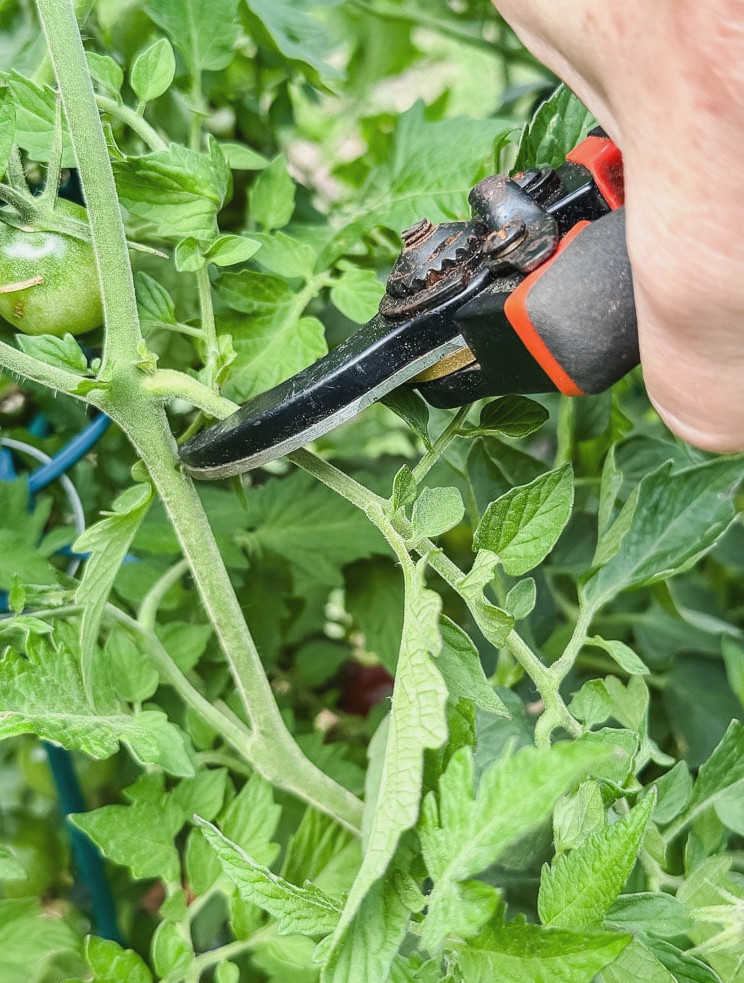
My tomato plants have become so thick and vigorous that I spent a few minutes today thinning them slightly. I removed branches that had no fruit or blossoms. If it wasn’t productive, it wasn’t worth retaining. Improved air circulation within the plant promotes better overall health, and after battling blight in past years, I’m taking no risks. A small amount of pruning now can make a significant difference later in the season.
The Cut Flower Garden
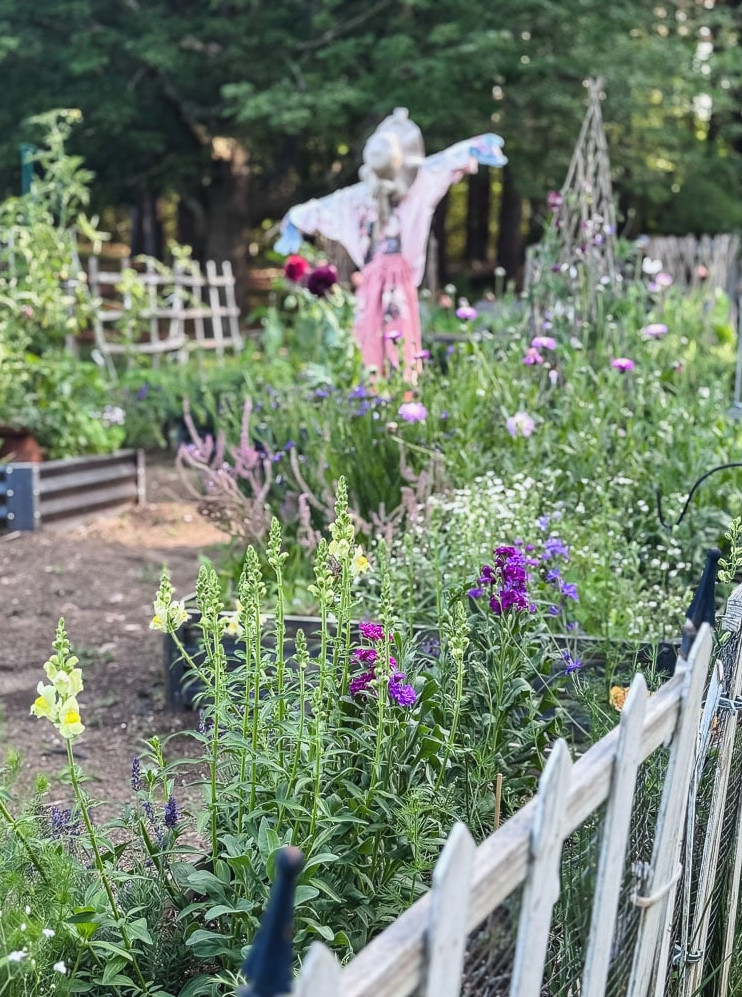
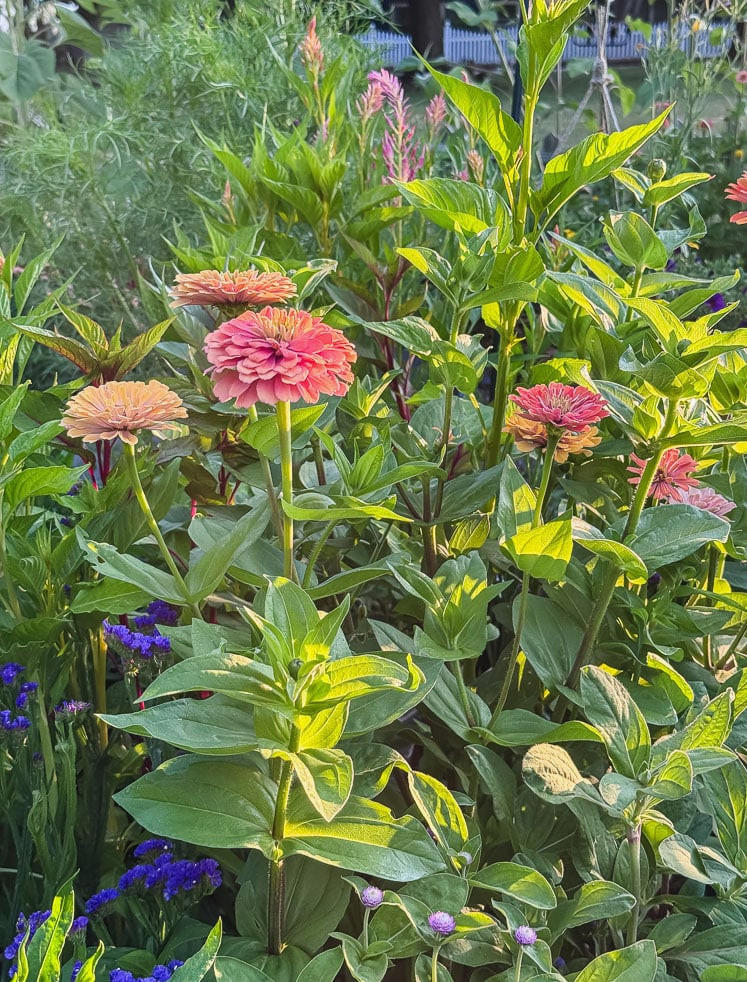
The cut flower garden is finally beginning to flourish. Blooms are appearing, the beds are packed, and I’m beginning to harvest more consistently. The dahlias have not started flowering yet, which is perfectly typical for New Hampshire. Here, dahlias bloom late in the season, and I expect them to reach their peak in August and September. The dahlia plants I grew from seed this year look healthy and vigorous, and I’m very eager to see what they produce.
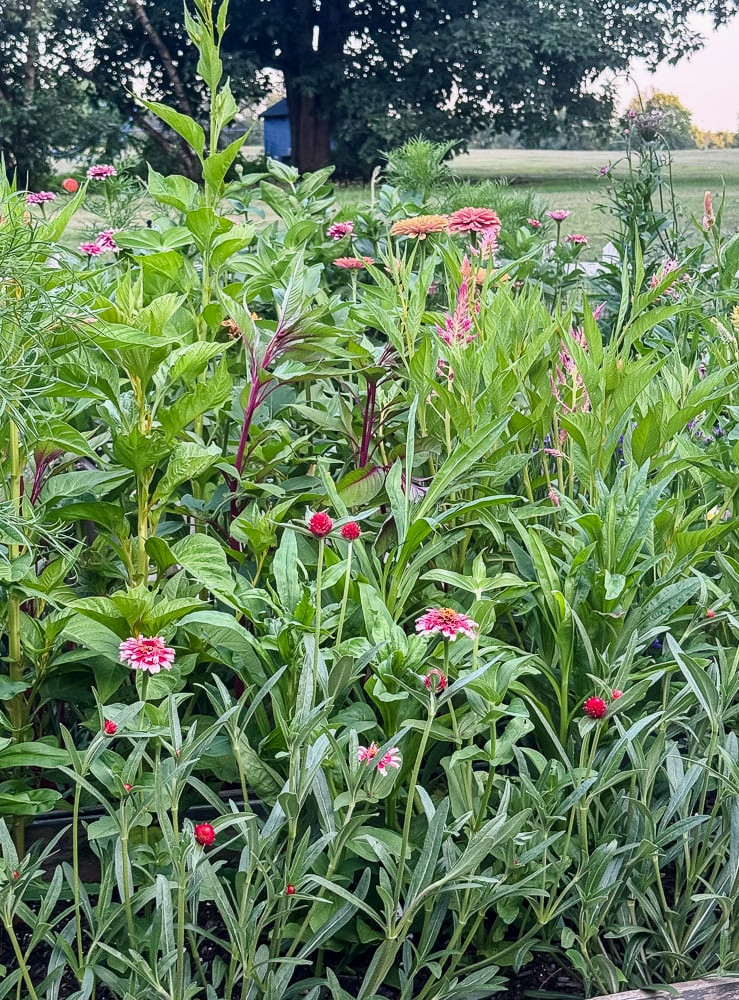
I’m preparing a separate journal post about the cut flower garden to explore what’s growing, what’s flowering, and how the season is progressing — there’s simply too much detail for a checklist. Keep an eye out for it.
End Of July: Looking Ahead
The raised beds that previously contained lettuce and broccoli have remained vacant since the plants bolted in the heat earlier this season. In late July, I’ll sow seeds directly into those beds for a crop later in the season. Lettuce, spinach, and other cool-weather greens planted in late July or August should be ready for fall harvesting once temperatures decline — and lettuce grown in autumn is among the best of the year.
July also offers an excellent opportunity to evaluate what has succeeded and what has not. Stroll through the garden with a fresh perspective and jot down some observations. Which plants do you wish you had grown more of? What occupied more room than expected? Which pest appeared before you were ready? Those notes become invaluable in January while planning the garden for the following year.
July In The Garden
July is when all the effort finally feels worthwhile. The harvests, the flowers, and the garden’s dramatic transformation over just a few weeks — this is the moment. This is why we put in the work.
Keep watering consistently during hot spells, harvest often to encourage ongoing growth, and make pest checks a priority. Spending a few minutes examining leaves every few days can prevent considerable disappointment later in the season.
I’ll be back with the August checklist. In a New England garden, that means dahlias should finally arrive (hopefully!), tomatoes will be producing abundantly, and we’ll begin considering the season’s eventual slowdown (not yet, but soon).
xo, Jennifer