From the herbs and blossoms to the vegetables, my New Hampshire garden resembles a 1776 kitchen garden far more than I ever imagined!
This morning, I was browsing through my Old Farmer’s Almanac, essential reading for any genuine New Englander, and yes, I’m absolutely serious!
(I’ve been enjoying the short poems at the close of each month’s weather column ever since I learned to read! )
I happened upon an article about colonial kitchen gardens: what people cultivated, how they arranged everything, and the reasoning behind each plant they selected.
Some things remain unchanged.
And I kept pausing to tell myself: hang on, I do that too.
It’s not because I’m especially passionate about history. I was raised in New England, where the colonial period is practically part of the landscape: the stone walls, the historic cemeteries, and the town commons that have appeared unchanged since 1740. Around here, history isn’t an excursion; it’s simply Tuesday. There’s even an old cemetery in the meadow beside my yard, where the first family to settle this land is buried. In a way, they’re my neighbors.
Still, I had never really considered the gardens.

Now it’s 2026, the 250th anniversary of American independence, and I’ve discovered that my small cottage garden in southern New Hampshire shares more with a 1776 kitchen garden than I could have imagined. The plants are similar. The methods for conserving space are alike. So is the simple desire to grow something, bring it indoors, and put it to good use.
Colonial kitchen gardeners and today’s cottage gardeners? They’re more alike than you might expect.
Welcome! I’m Jennifer from Cottage on Bunker Hill. I’ve been a home gardener for more than 20 years, and during the past 5 I’ve focused especially on our cut flower garden. Through experimentation, mistakes, and plenty of muddy knees, I’ve learned what truly works. My goal is to grow flowers with a purpose, whether they fill a vase on the kitchen table or become part of long-lasting projects, using straightforward, repeatable techniques suited to a busy, everyday life.
The History Right Where I Live
As I thought more about gardening during colonial times, my own town kept coming to mind. So many houses here date from before the Revolutionary War! As I learned, the men who lived in these pre-Revolutionary homes in Stratham, NH, were the same people who went off to fight at the Battle of Bunker Hill in 1775.
While those men were gone, the women who remained cared for the very soil I walk across today, likely fretting over the same late New Hampshire frosts that concern me!
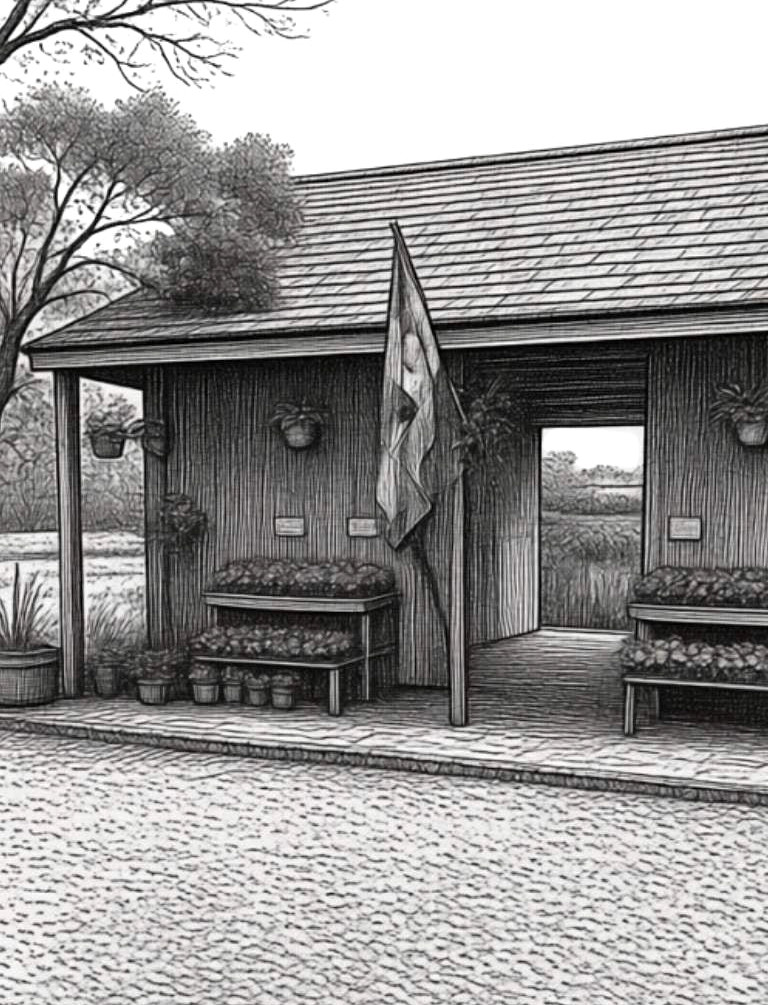
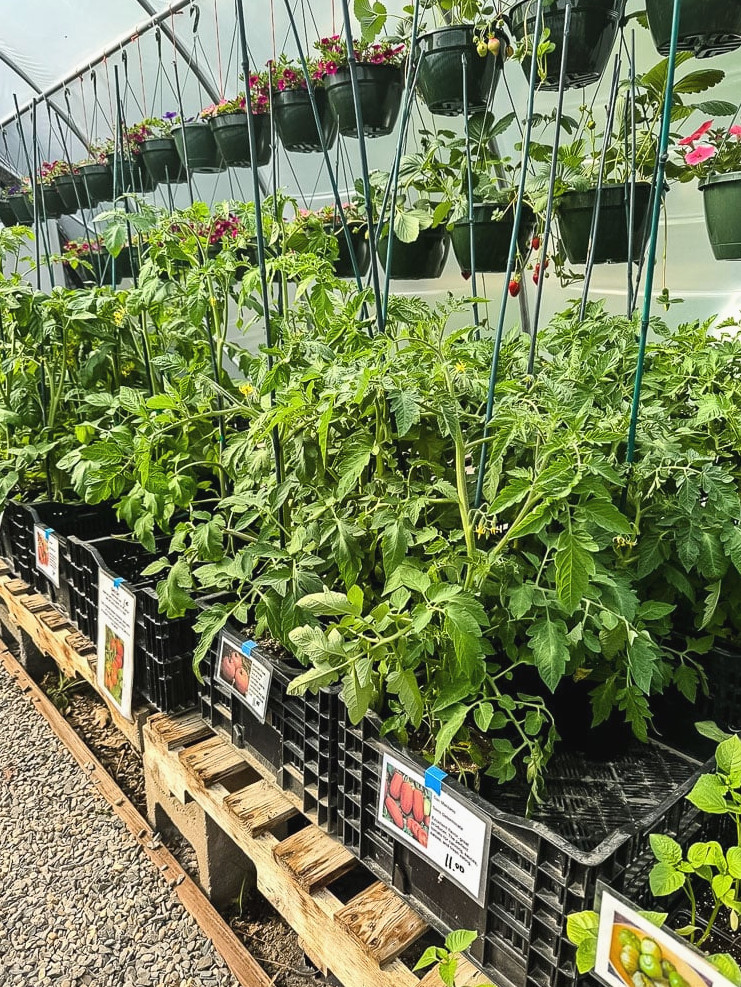
The most “full circle” realization for me, however, was discovering the origins of my plants. Most of my vegetable seedlings come from Wake Robin Farm, operated by Abigail Wiggins. She is the 14th generation of her family to cultivate that property.
Consider that for a moment: when the first “neighbors” in my area were sowing gardens for survival in 1776, they were probably exchanging seeds and knowledge with the Wiggins family. Now, 250 years later, I’m still planting Wiggins-grown seedlings in my New Hampshire soil.
This no longer feels like merely a pastime; instead, I feel like the temporary keeper of a tradition that began long before our town even received its name.
What Was a Colonial Kitchen Garden?
If you imagine something elaborate and overly formal, picture something more modest. The colonial kitchen garden wasn’t created to impress visitors. It was placed just beyond the back door for a practical purpose. You needed to dash outside in your apron and gather a handful of parsley before the stew scorched. Convenience always came first.
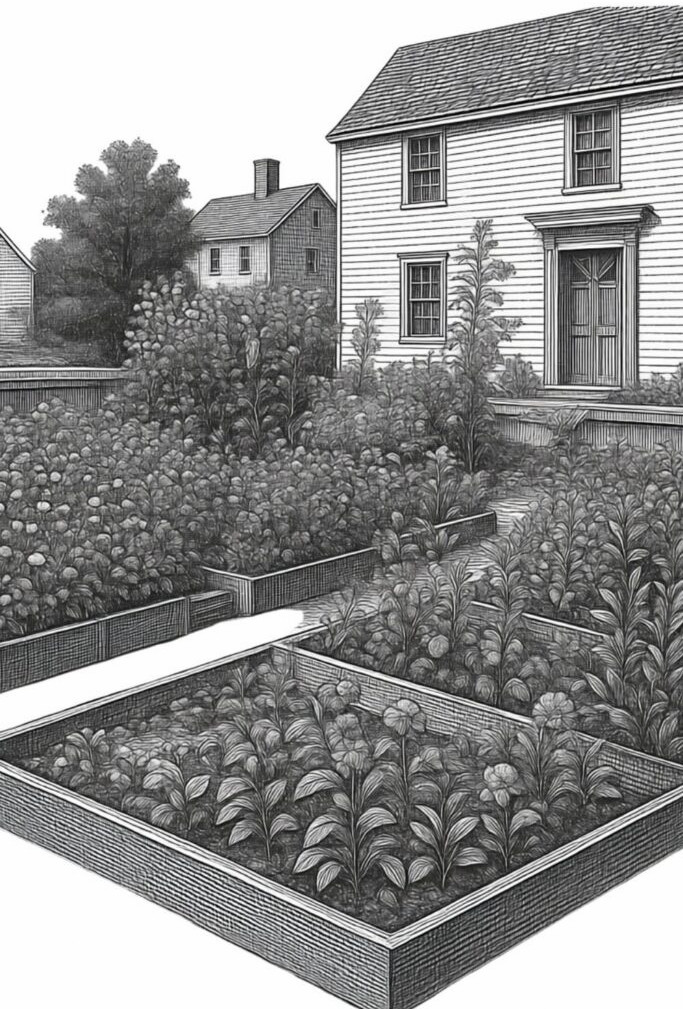
Even so, they found ways to make these gardens attractive. Raised beds, uncomplicated pathways, and purposeful layouts were common—not because anyone was following a Pinterest plan, but because land and labor were valuable. Every plant had to justify the space it occupied.
The guiding idea was straightforward: cultivate what you need, make use of what you grow, and throw away nothing. Flowers, herbs, and vegetables occupied the same beds because keeping them in neat, separate groups was a luxury no one could spare time for.
A plant that protected your carrots from pests and added beauty? That was worth growing. A flower that could be dried and used medicinally during winter? Even more valuable.
Does that sound familiar?
That instinct to grow something, use it, and carry it indoors is precisely what attracted me to cottage gardening from the beginning. I had no idea I was continuing a 250-year-old custom. Apparently, I simply thought it was practical… just as they did!
The Space-Smart Philosophy: They Were Doing It First
Here’s what I truly
delightful thing about colonial kitchen gardens: every “fashionable” gardening method you’ve encountered over the past five years? They were practicing it in 1776. They simply hadn’t given it a name yet.
Companion planting. Succession planting. Vertical cultivation. Interplanting. None of these are recent breakthroughs; they’re simply age-old wisdom we temporarily forgot, then rediscovered and shared on Instagram.
Colonial gardeners trained peas and beans upward on basic supports built from whatever materials they had nearby: branches, willow, or twine. When garden space was scarce, growing vertically rather than outward wasn’t a gardening theory; it was plain practicality.
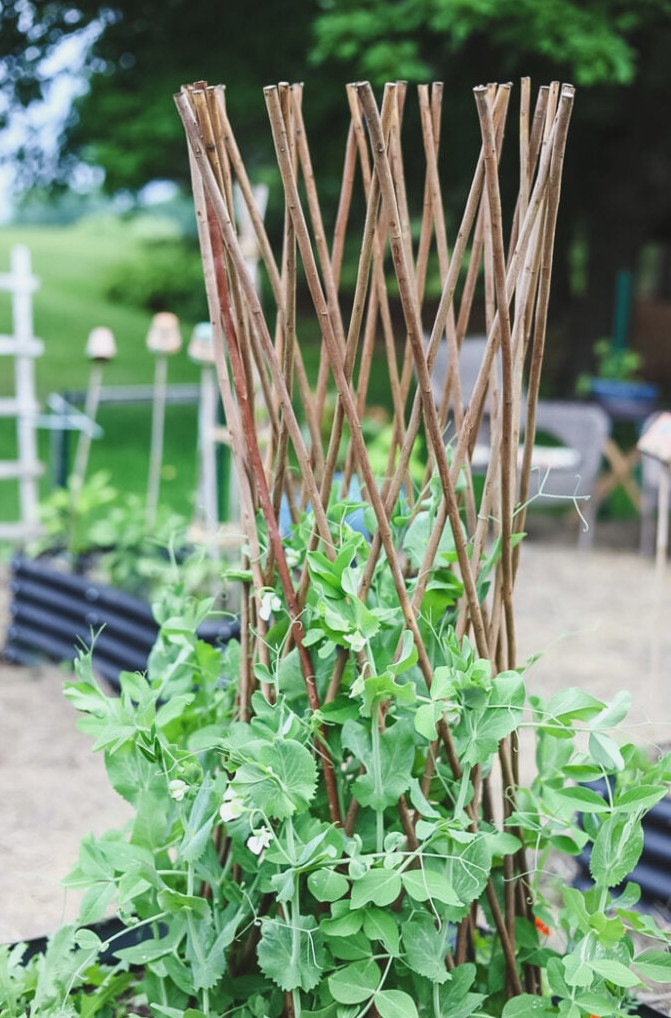
I enjoy adding willow trellises to my garden for precisely that reason, and I thought I was being quite ingenious. As it turns out, I arrived roughly 250 years late to that particular idea.
They also combined tall and low-growing crops, allowing them to occupy the same area without battling for resources: a taller plant offered welcome afternoon shade to one that needed it, while a spreading plant filled the open spaces beneath something that grew upright. Not a single inch of soil went unused.
One colonial method I especially love (and had never recognized as such!) is pairing radishes with carrots. Radishes mature quickly; they’re ready to harvest in around 30 days. Carrots take their time, requiring two to three months to ripen. Sow them in the same row, and the radishes have already been pulled by the time the carrots require the room. Two harvests, one patch. It sounds nearly contemporary until you remember it’s anything but new.
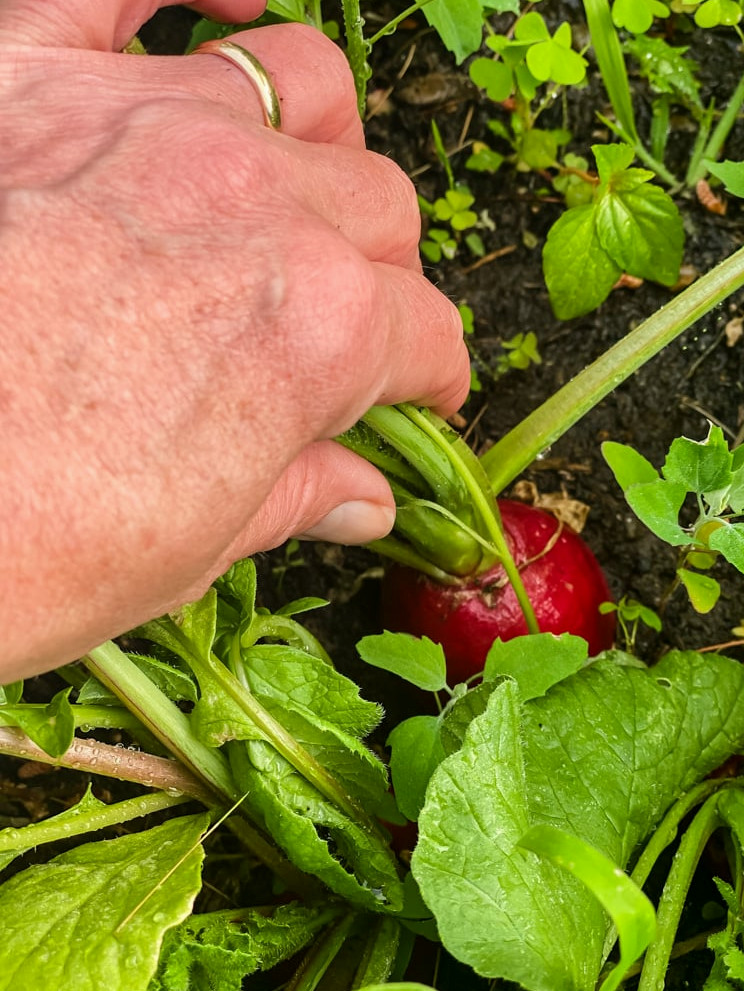
And flowers? In a colonial kitchen garden, flowers weren’t ornamental additions; they served a purpose. Calendula helped discourage pests and had medicinal uses. Nasturtiums drew aphids away from vegetables while also being safe to eat.
Lavender and chamomile served two purposes as medicine and as wonderfully fragrant plants near the back entrance. Their beauty was an added benefit rather than the main objective, although I’d say they managed to achieve both.
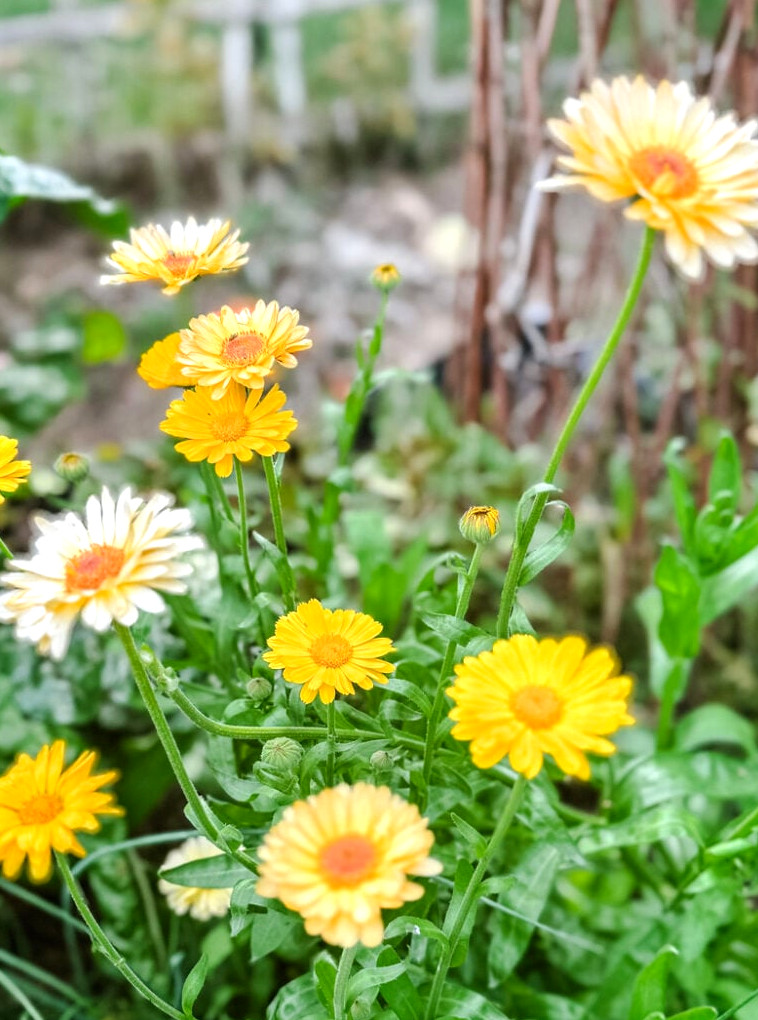
That’s something I understand completely. My cutting garden isn’t entirely utilitarian, but it isn’t solely ornamental either. Everything I cultivate finds a purpose: arranged in a vase, preserved in a frame, or dried for a wreath. Grow it, put it to use, and create something lovely. Just as it has always been!
What They Cultivated And What’s Growing In My Garden Too
Here’s the reality of colonial kitchen gardens: they weren’t cultivating unusual plants. There were no scarce seeds purchased from specialty catalogs or picture-perfect varieties made for Instagram.
Instead, they grew useful, dependable plants that nourished households, treated illnesses, and happened to be attractive while doing so.
Let’s take a look at what grew behind a New England farmhouse in 1776. You may be amazed by how much of it is growing in my garden as well.
VEGETABLES
Garden Greens, Onions & Leeks
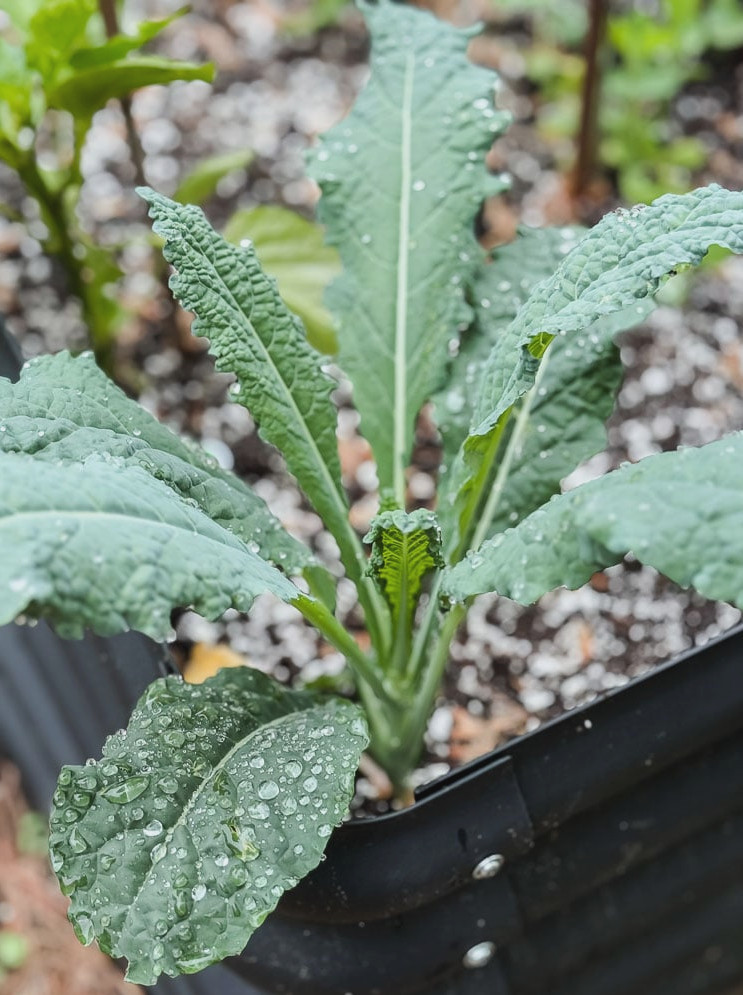
Leafy vegetables were a mainstay in colonial gardens. They sprouted quickly, stored well, and were among the earliest crops planted each spring.
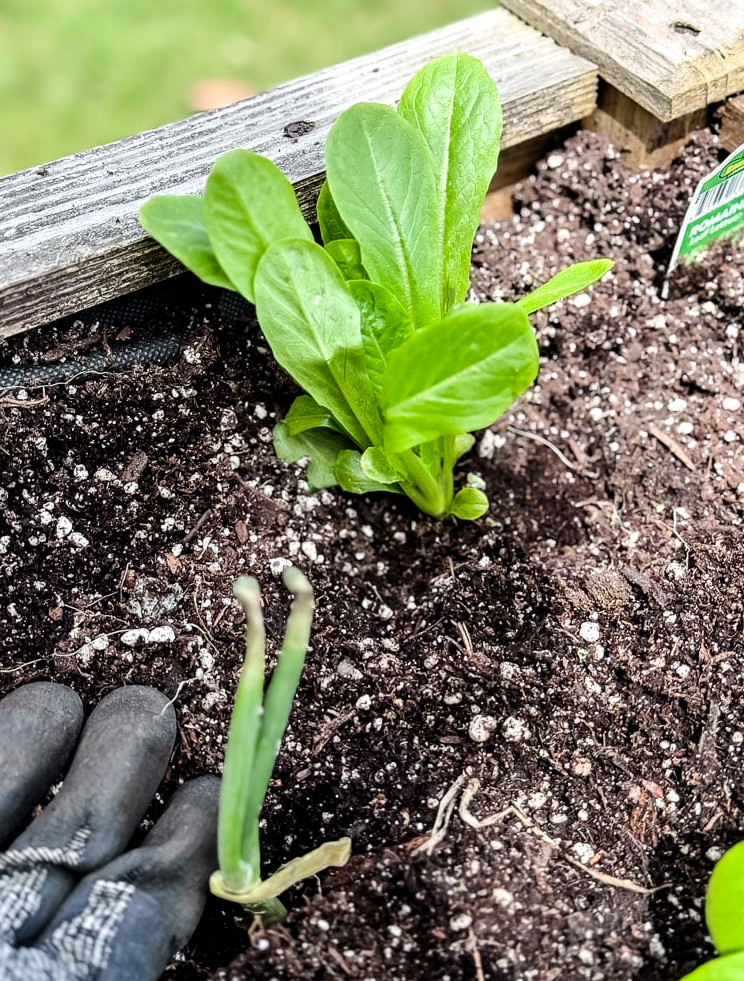
Onions and leeks were just as indispensable, appearing in almost every meal and serving as natural means of discouraging pests around the garden. They mattered so much that many colonial households set aside a complete bed solely for alliums.
I planted both of them this spring. To be honest, I didn’t think much about it then, but evidently, I’m carrying on a tradition that began 250 years ago.
Spring Peas
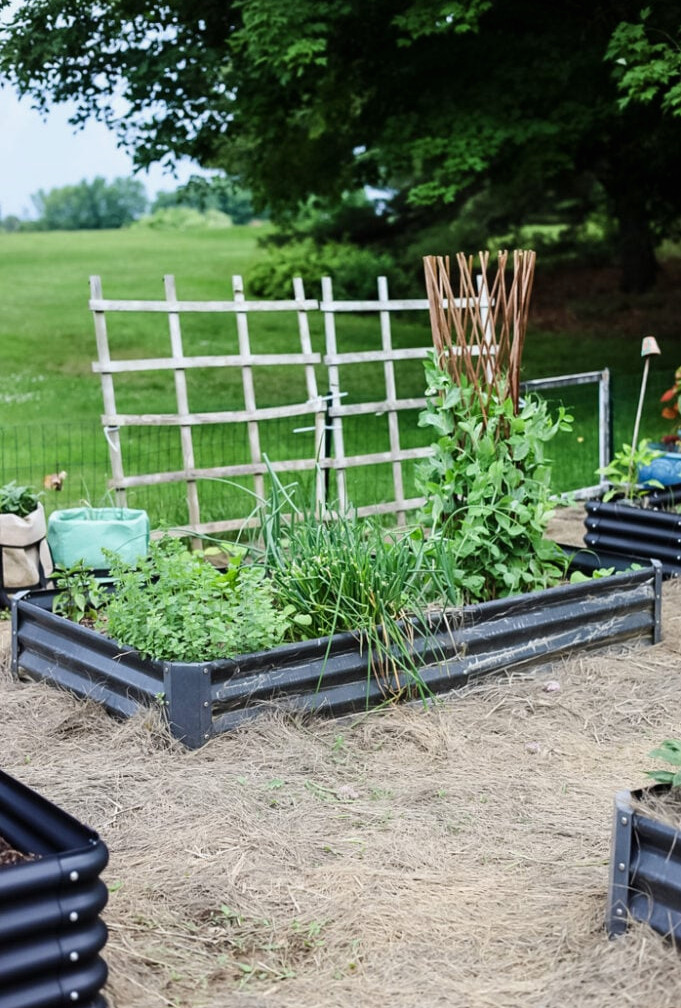
In colonial New England, peas ranked among the most essential early-season crops and were frequently the first vegetables sown once the final frost had passed. Gardeners trained them up anything available: branch supports, willow structures, or basic wooden stakes, since growing upward preserved valuable garden space. Colonial growers seemed to know that naturally.
This year, I’m using a willow funnel trellis for mine, and it seemed wonderfully rustic and cottage-like. As it turns out, I was simply practicing historical accuracy.
Cucumbers, Squash, Pumpkins & Gourds
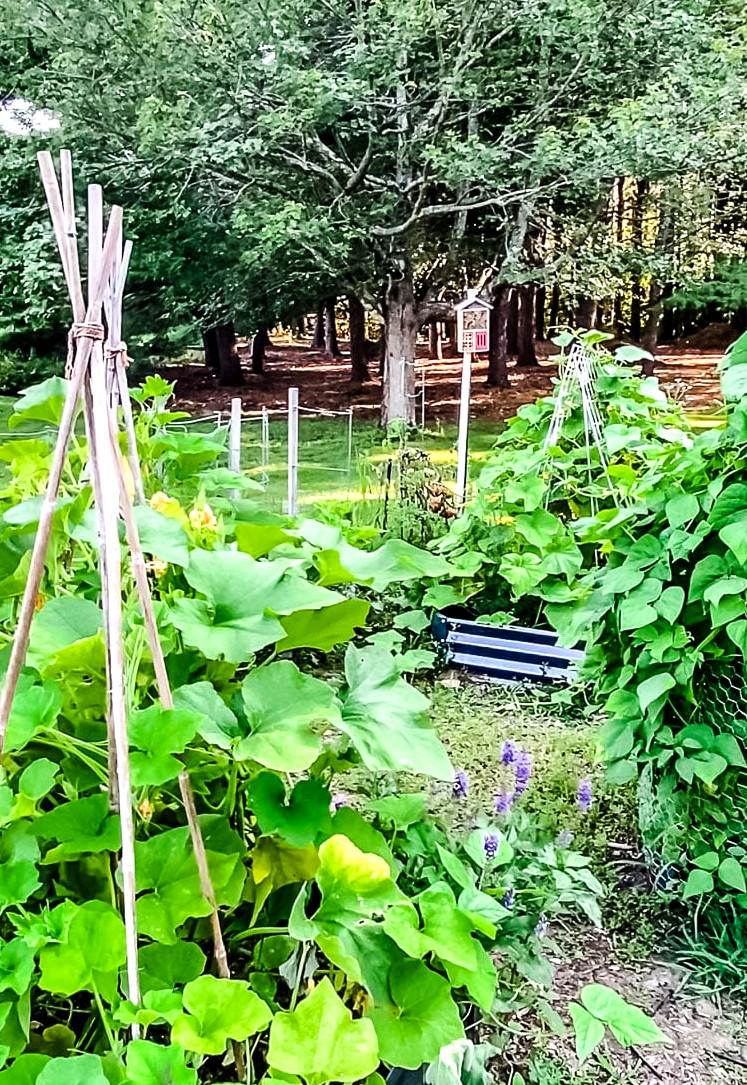
These plants were the colonial garden’s dependable staples. Cucumbers were preserved as pickles and kept for the colder months. Squash and pumpkins were cultivated in large quantities. They stored well, nourished families throughout lengthy New England winters, and provided seeds that could be saved from one season to the next.
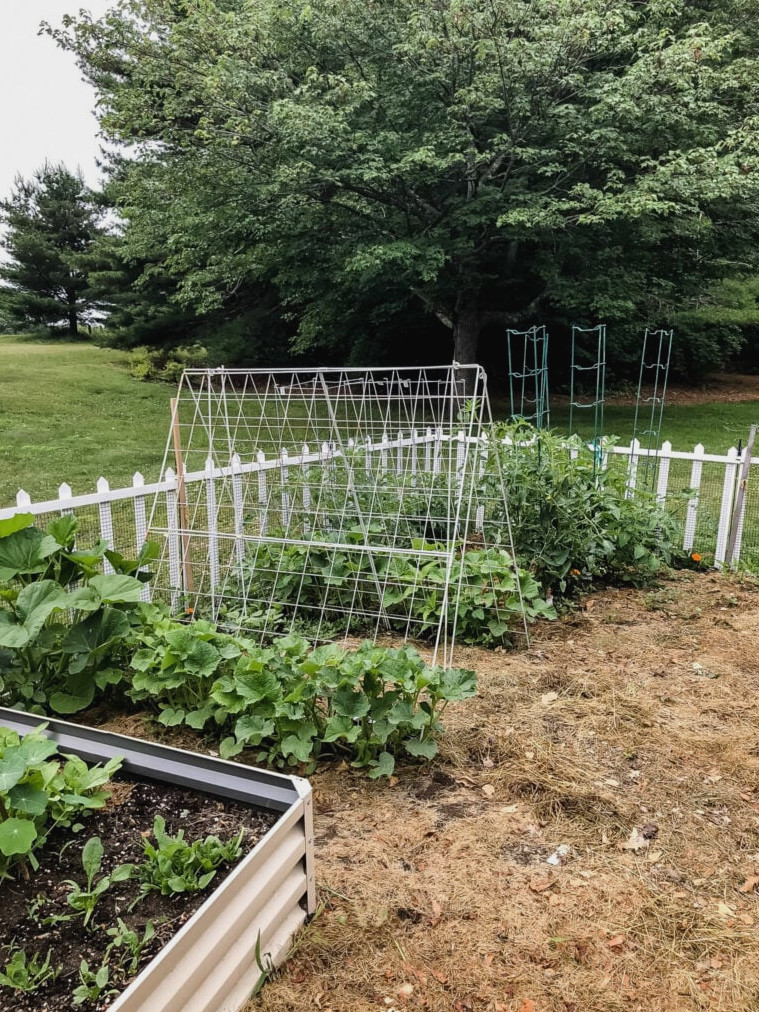
Gourds served an especially useful purpose: once dried and emptied, they could be transformed into containers, dippers, and homes for birds.
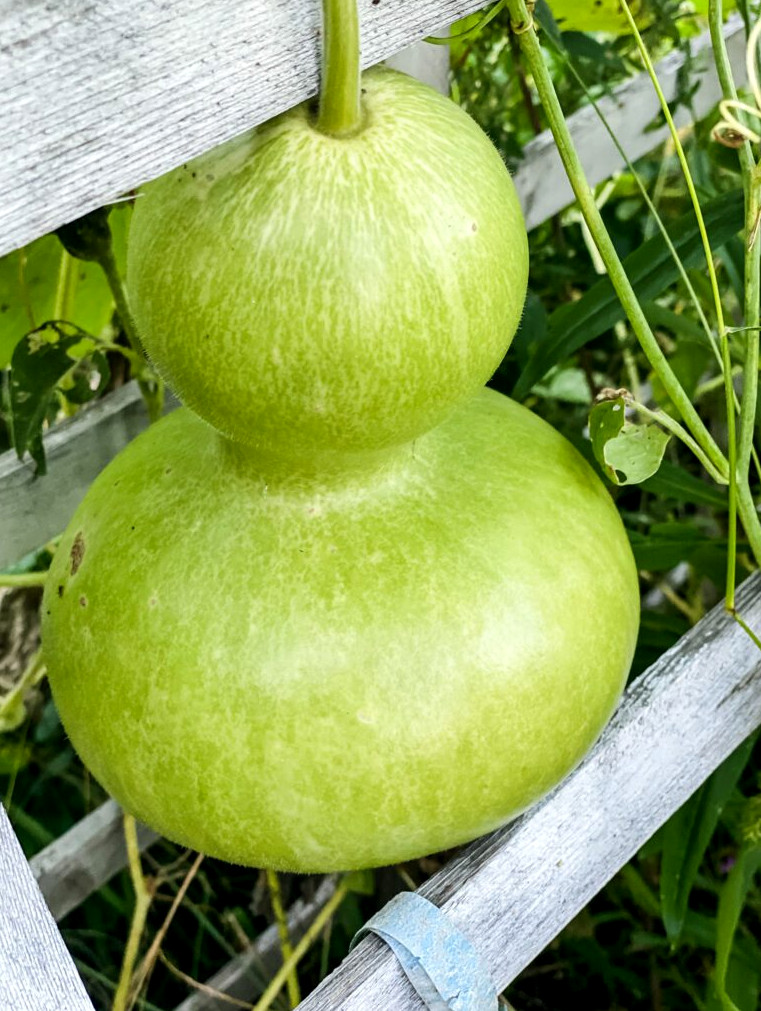
I cultivate birdhouse gourds each summer. Without fail, I treat them as an amusing little novelty. They are not a novelty. This is colonial life.
The “Essentials” I Happily Leave Out
Although I’ve adopted much of the colonial approach to gardening, a handful of 1776 favorites will never occupy my raised beds: turnips, parsnips, & cabbage…sorry
During the 18th century, these vegetables functioned as the ultimate safeguard. They were resilient, flourished in our stony New England soil, and remained edible for months when stored in a root cellar. If you resided in one of the town’s historic houses, chances were you ate them until you could hardly stand them!
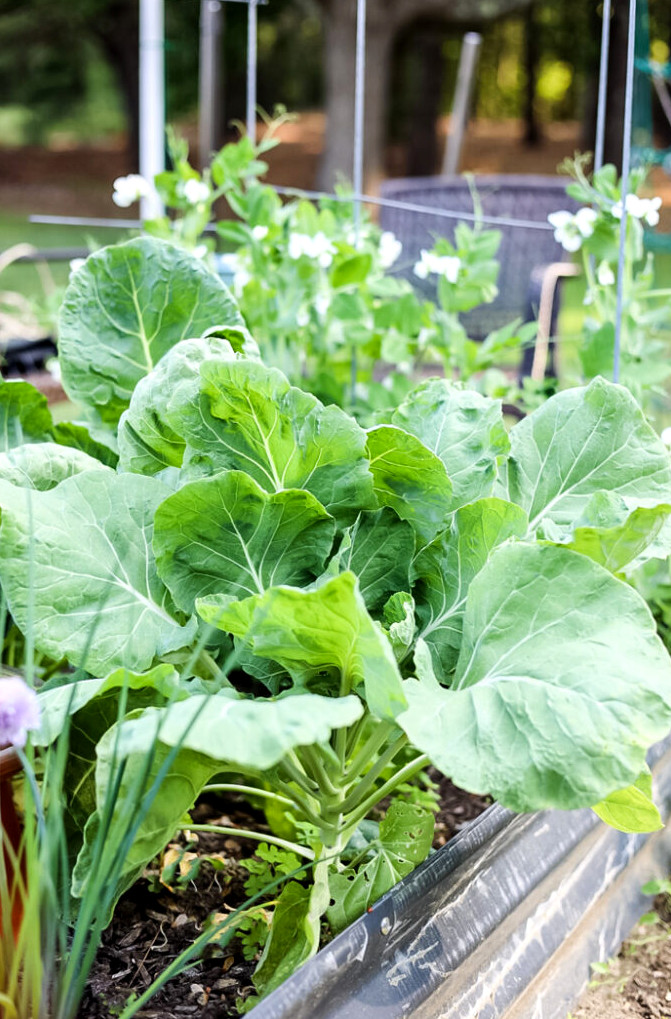
I do enjoy growing Brussels sprouts, however! They’re genuinely a playful vegetable to include in the garden, even though mine appear to serve as an aphid trap crop!
The Herb Garden: More Than Mere Seasoning
In colonial kitchens, culinary herbs and medicinal plants were not strictly separated. Most greenery served more than one purpose, so the kitchen plot and the ‘physic’ garden, where medicinal herbs grew, were often one and the same. Anything fragrant and useful earned a spot.
Parsley, Sage, Rosemary, Thyme
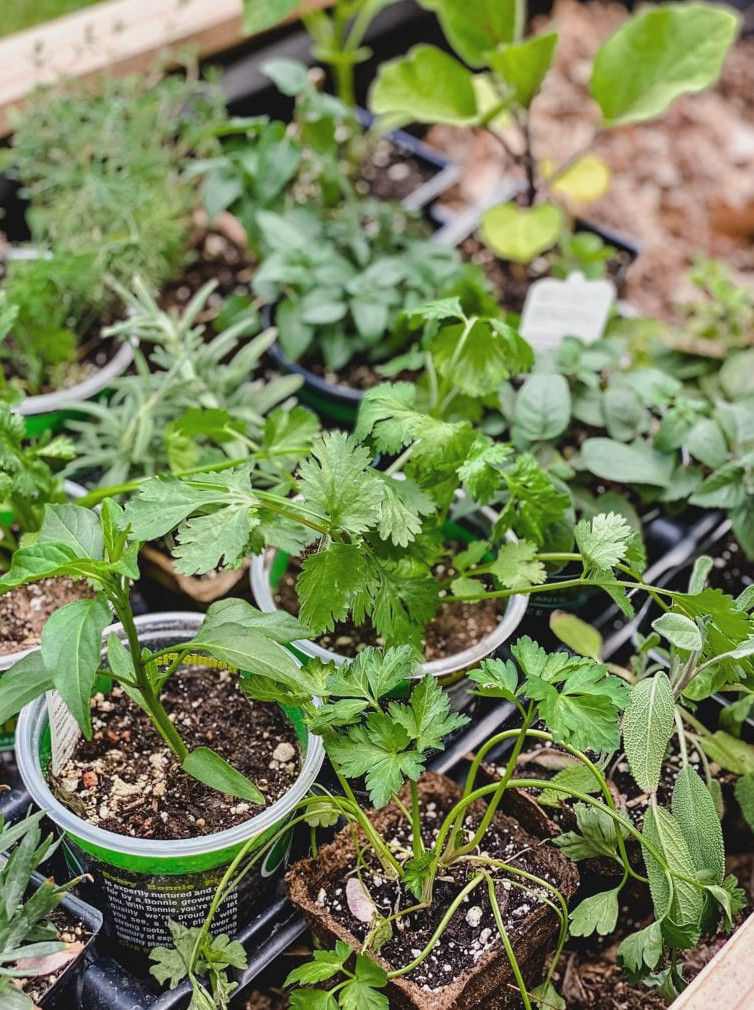
Yes, just as the song says. These four plants were colonial garden necessities: parsley went into cooking and helped freshen the breath (honestly), sage was valued for preserving meat and calming upset stomachs, rosemary served purposes ranging from seasoning food to rinsing hair, and thyme worked both as a culinary herb and an antiseptic. They were viewed as necessities rather than extras.
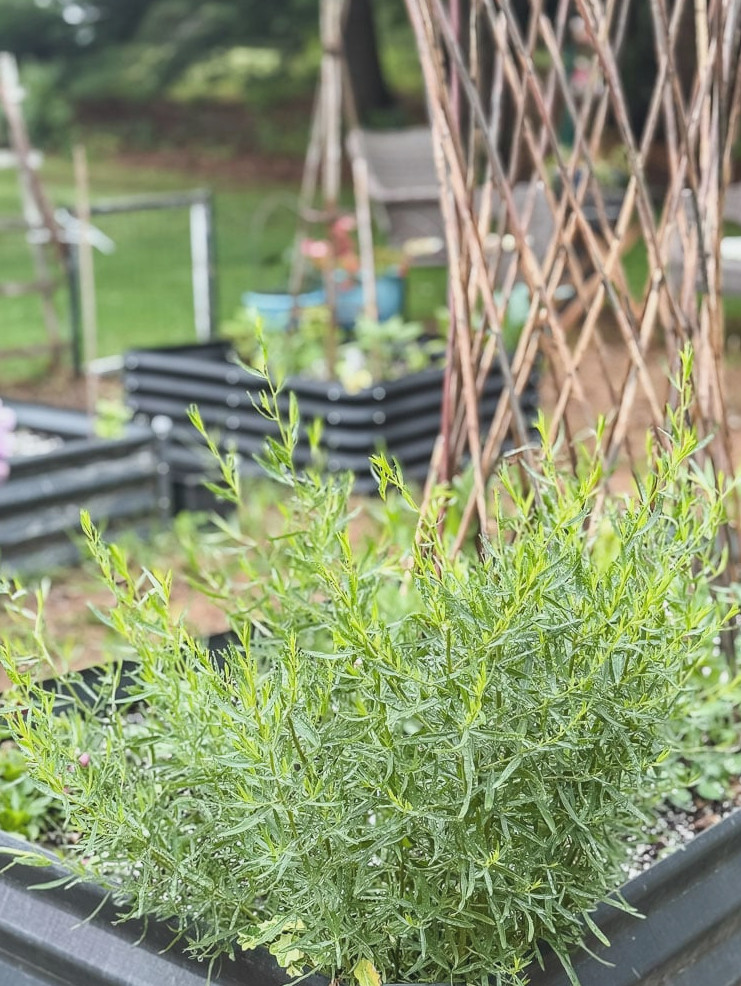
They remain indispensable in my garden today. Certain things are better left unchanged.
Chamomile, Lavender, Lemon Balm, Bee Balm & Mints
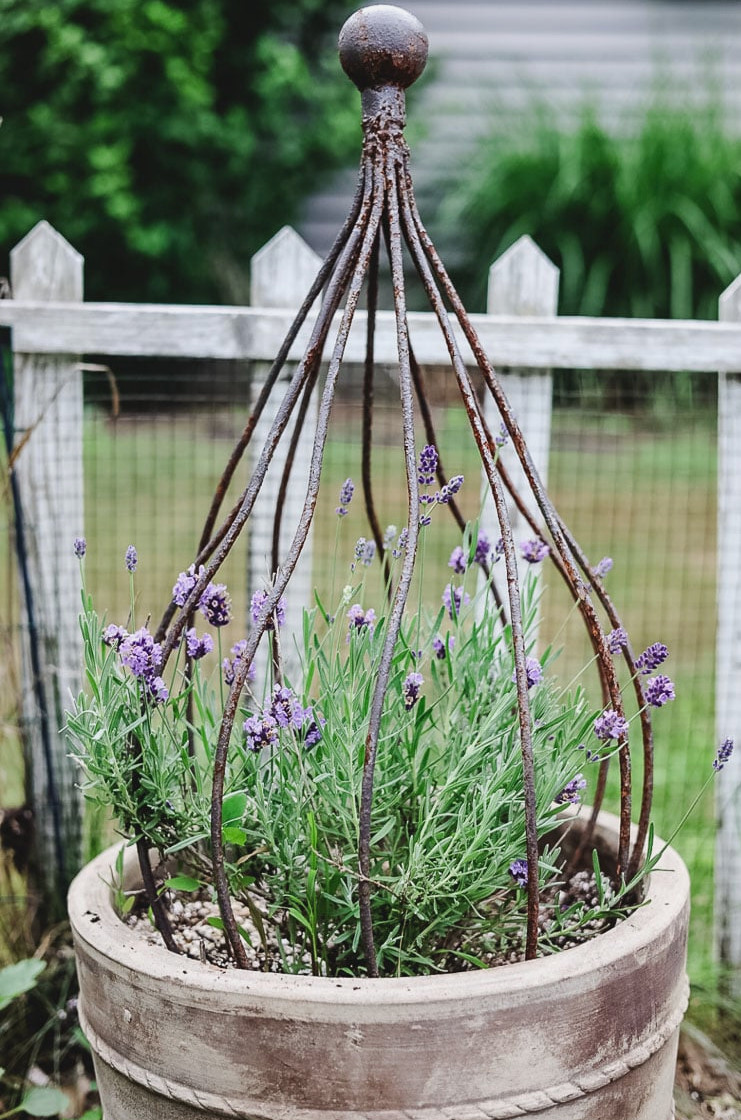
These plants served as the medicine chest of the colonial household. Chamomile aided sleep and digestion, lavender was used for headaches and fresh linens, and lemon balm helped with nervousness and fevers. Bee balm, which is indigenous to North America, had long been used medicinally by Indigenous peoples before colonists soon embraced it as well.
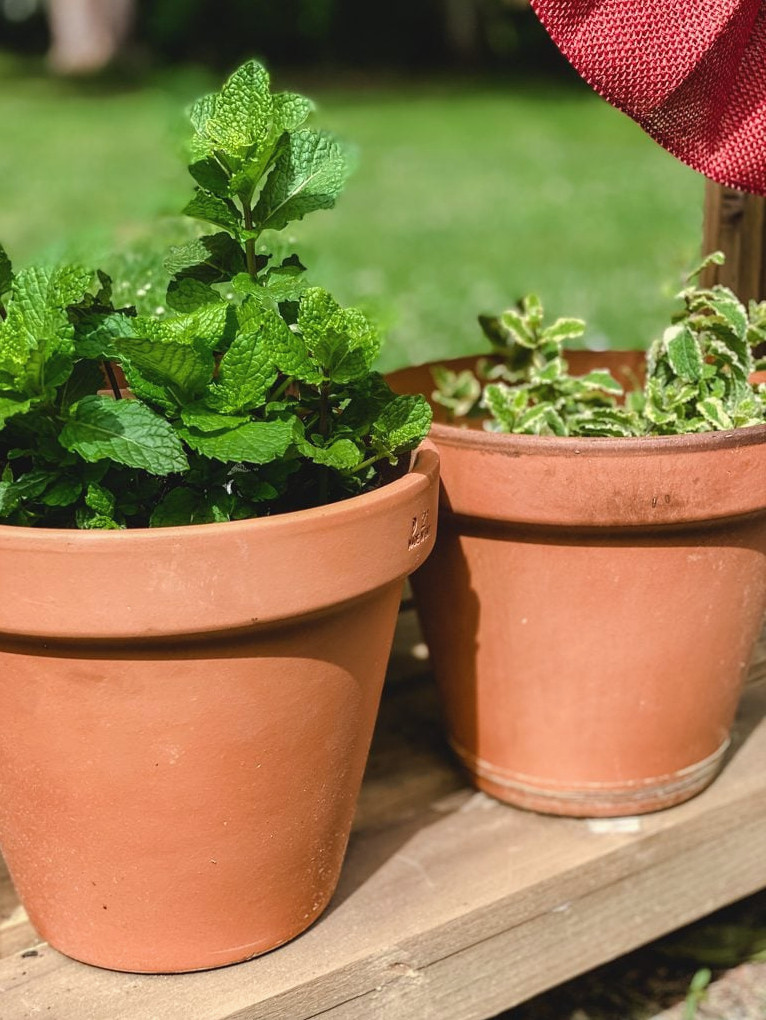
Especially after the Boston Tea Party, mint and lemon balm became a patriotic replacement for tea brought in from overseas. Mint was used in every possible form and for nearly every purpose (it was likely among the simplest plants for them to cultivate here).
I grow all of these in my garden as well. Mint requires caution, so I suggest keeping it in a large container; otherwise, it will spread across the garden and gradually take control. I’m nearly convinced colonial gardeners faced that exact problem too.
Flowers: Beauty Was Merely an Extra
Colonial flowers served purposes beyond decoration; every blossom in the kitchen garden had a role. Their beauty was simply an added benefit. Here are several flowers that we both keep growing in our gardens.
Calendula
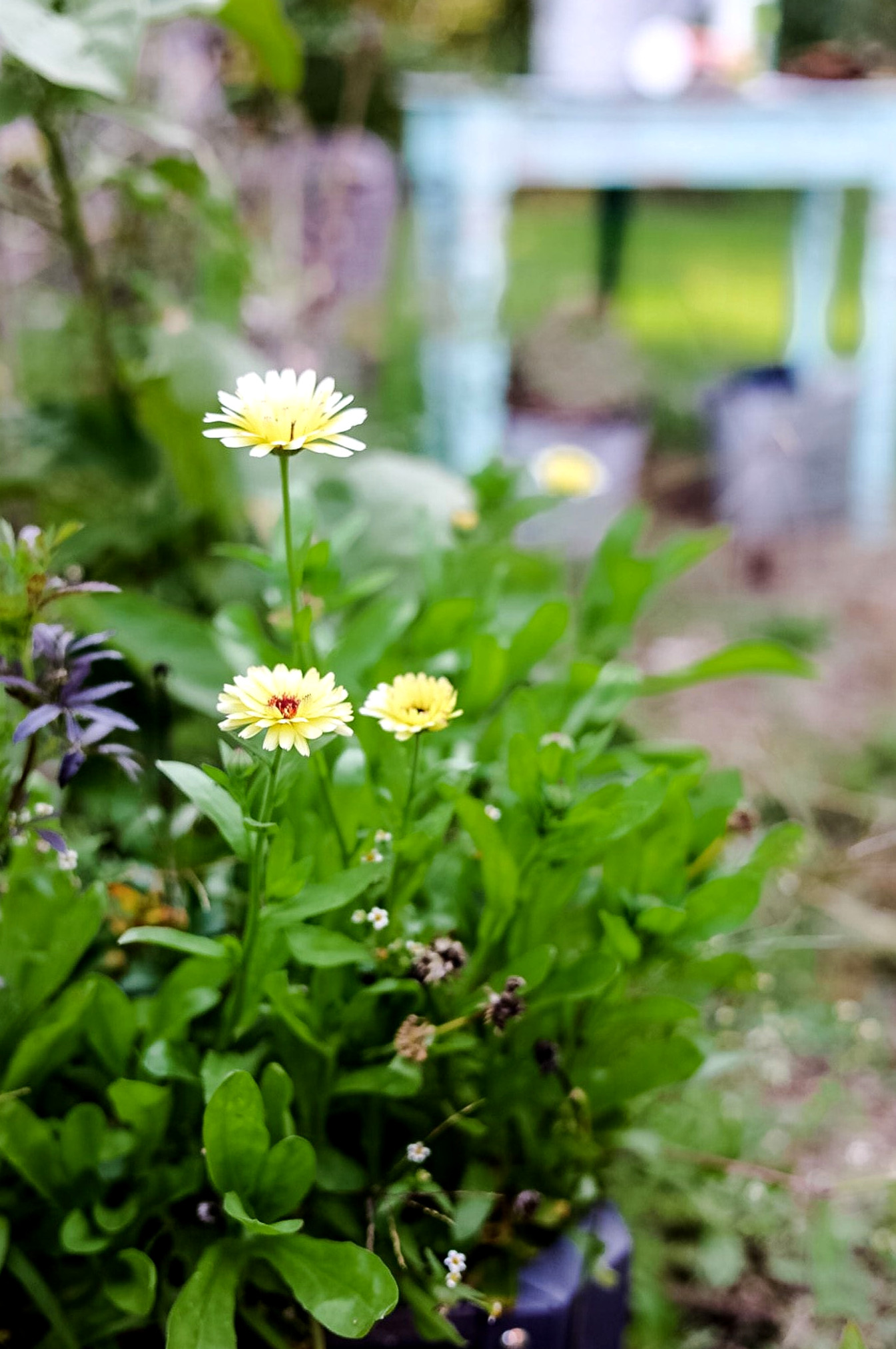
In colonial gardens, calendula ranked among the most prized plants. It was applied medicinally as an anti-inflammatory, blended into salves, and added to soups and salads as a flower that could be eaten. Its vibrant orange color and remarkable toughness made it nearly impossible to destroy, which likely contributed greatly to its popularity.
It remains one of my favorite garden plants, and I place it in nearly every bed within the vegetable area of my cottage garden. I cultivate it for its vivid color. They raised it for its healing qualities. I admire that purpose even more.
Marigolds
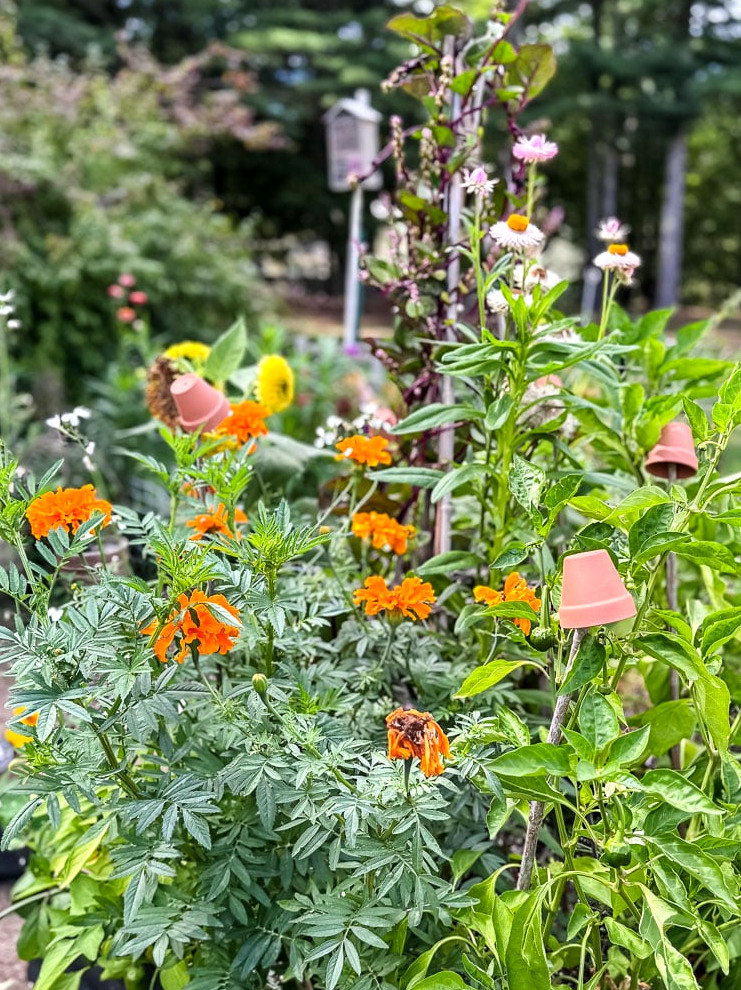
For hundreds of years, marigolds have secured a place in New England gardens. English gardeners first embraced them, and they later became common in colonial kitchen gardens, where people planted them around vegetables to help keep pests away naturally. And those sunny yellow andorange petals weren’t merely decorative; they could be simmered to create natural dye, yielding rich golden and yellow shades for cloth and yarn.
Every summer, I plant marigolds without giving it much thought. They’re bright, resilient, and make the entire garden seem organized, even when I’m anything but. As it turns out, New England gardeners have relied on them for more than 250 years. Some things truly stand the test of time.
Sunflowers
Sunflowers rank among the oldest plants cultivated in North America. Indigenous communities raised them centuries before European settlers arrived, and by the 1700s, they had also found a place in New England gardens. Colonists harvested the seeds, pressed them into oil, and turned the petals into dye. Useful, as ever.
I plant them because they make me ridiculously cheerful, and because placing a sunflower in a mason jar on the kitchen table is one of life’s easiest and most rewarding pleasures.
The colonial gardener cultivated them for food. I grow them for arrangements. Somehow, we both wound up with sunflowers, so I’d say we’re both correct.
Nasturtium
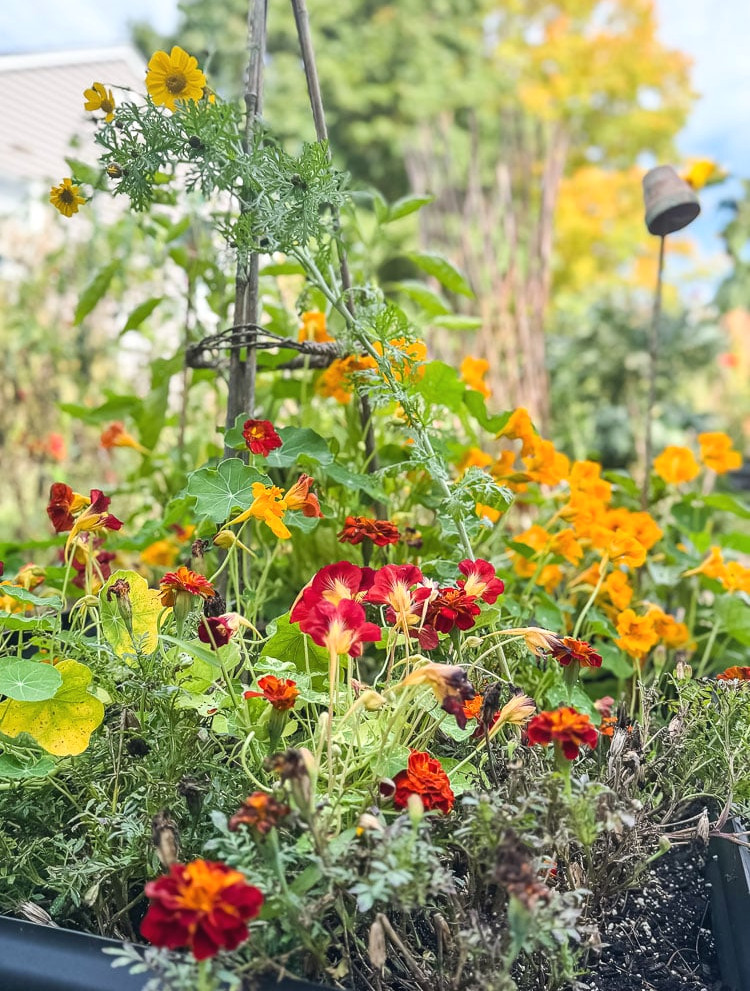
This may be my favorite detail of all: we call them nasturtiums, while colonial gardeners called them Indian cress because every part of the plant is edible and has a peppery flavor, much like watercress. The blossoms, leaves, and seeds were all used. People cultivated them for meals, added them as garnish, pickled them as a substitute for capers, and appreciated their ability to deter aphids while drawing helpful insects.
These days, we mostly grow them because they’re bright, lovely, and nearly care-free. Still, the colonial kitchen gardener would know exactly what we’re up to… and would probably ask why we ever stopped eating them.
What They Didn’t Grow (That Will Surprise You)
Despite the many similarities between colonial gardens and today’s plots, there are a few striking differences—and if you garden in New England, one of them may seem especially ironic.
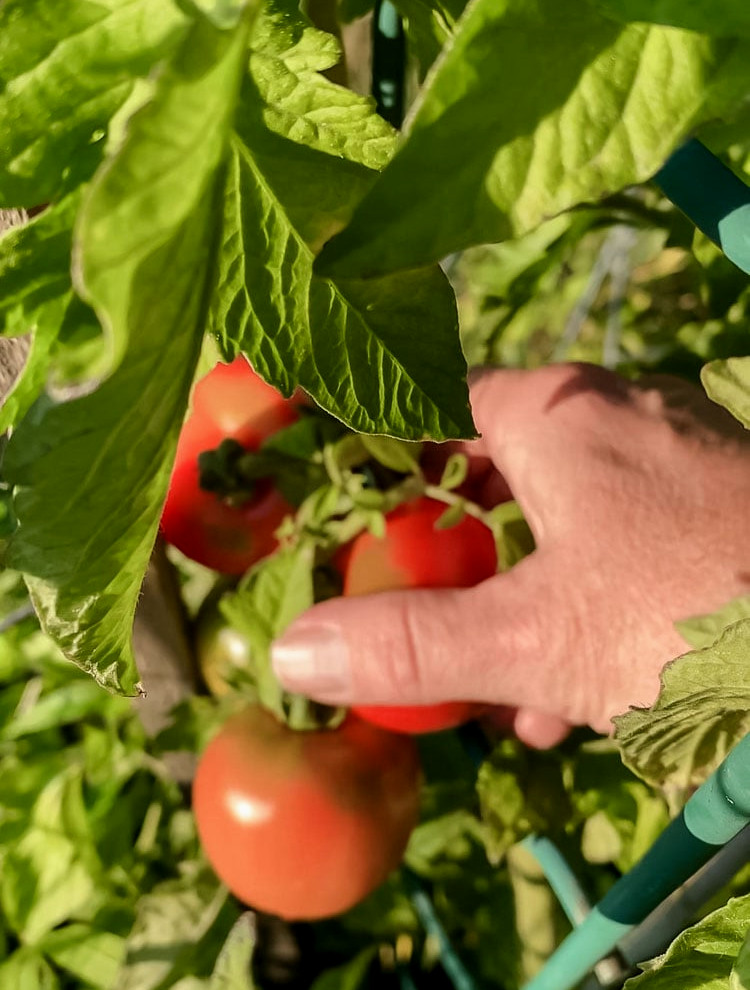
Tomatoes & Peppers. Colonial Americans were familiar with them, but they rarely ate either one. Both belong to the nightshade family, which was long considered poisonous. Today, the thought of a New Englander leaving tomatoes out of the garden seems almost unlawful.
Jump ahead 250 years, and both have become essential features of the summer garden here. I plant them each year, and a successful tomato crop feels like a triumph. The colonists had no idea what they were missing -though, honestly, they had plenty of other concerns.
Bringing It All Home
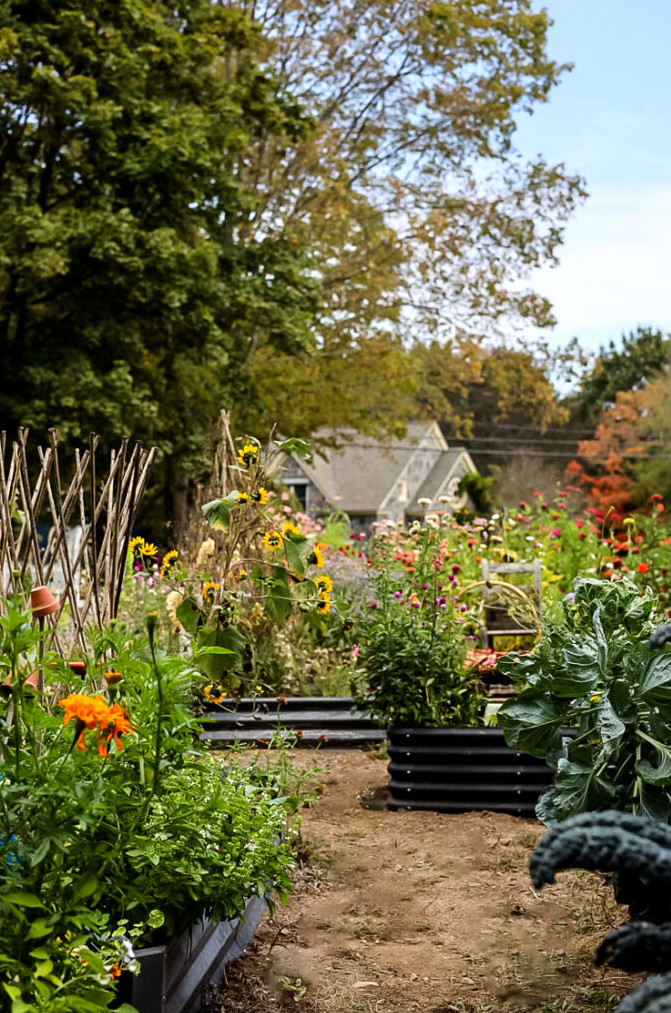
Colonial kitchen gardeners planted with purpose. Each crop served a role, every patch of earth was put to use, and nothing went to waste. They weren’t cultivating for decoration or social media; they gardened because it was important.
Yet here we are, 250 years later, still growing the same herbs, flowers, and vegetables in that same New England soil. Perhaps the purpose has changed somewhat. I’ll admit that a lovely arrangement motivates me more than avoiding scurvy, but the underlying impulse remains. Grow it. Use it. Bring it inside. Create something beautiful.
That’s what makes a true garden special. It ties you to something far greater than one growing season.
I’d love to hear whether any of these colonial favorites are growing in your garden today. Leave a comment and share what’s planted in your beds this year!
I hope you had as much fun reading this as I did writing it!
xo, Jennifer
Country Garden
Top Picks
Explore my favorite gardening finds! Elevated beds, plant supports, & tools to help your garden thrive.
Enjoy projects like these?Stay connected! Become part of my newsletter community for more warm, affordable DIY inspiration delivered straight to your inbox. You’ll receive special tips, advance access to tutorials, and all the creative ideas you need to make your home feel personal and full of heart.