Thrifting isn’t simply a money-saving strategy—it’s an exciting treasure hunt! Whether you’re furnishing your first home or giving your space a budget-friendly makeover, thrift shops, flea markets, and garage sales are packed with distinctive, inexpensive treasures. Still, if you’ve ever entered a thrift store and immediately felt lost, you’re definitely not the only one. With a few helpful techniques, you can shop secondhand like an expert and turn pre-owned pieces into gorgeous DIY decorations.
In this guide, I’ll walk you through my top thrifting strategies, the things worth searching for, and ways to turn your discoveries into lovely, one-of-a-kind creations.
Beginner Tips for Thrift Shopping
At first, thrifting may seem overwhelming, but these suggestions will have you shopping confidently before long! Thrifting is not only an enjoyable, affordable way to decorate—it’s an environmentally friendly option too! When you give gently used belongings a new purpose, you help cut down on waste and encourage a more sustainable lifestyle. Everyone benefits: you find distinctive pieces while doing something positive for the planet. As you begin exploring thrift shops, keep in mind that each discovery brings you one step closer to a greener, more fashionable home!
1. Learn Where to Shop

- Thrift Stores: Goodwill, the Salvation Army, and neighborhood thrift shops make excellent places to begin.
- Habitat for Humanity ReStores are ideal for finding all sorts of furniture.
- Antique/Second-hand shops are great sources for distinctive decorative pieces.
- Flea Markets: A wonderful place to discover vintage and unusual finds.
- Garage Sales: These frequently offer hidden treasures for very low prices.
- Online Platforms: Facebook Marketplace, eBay, and Craigslist are useful for finding items nearby.
2. Visit Frequently and Stay Patient
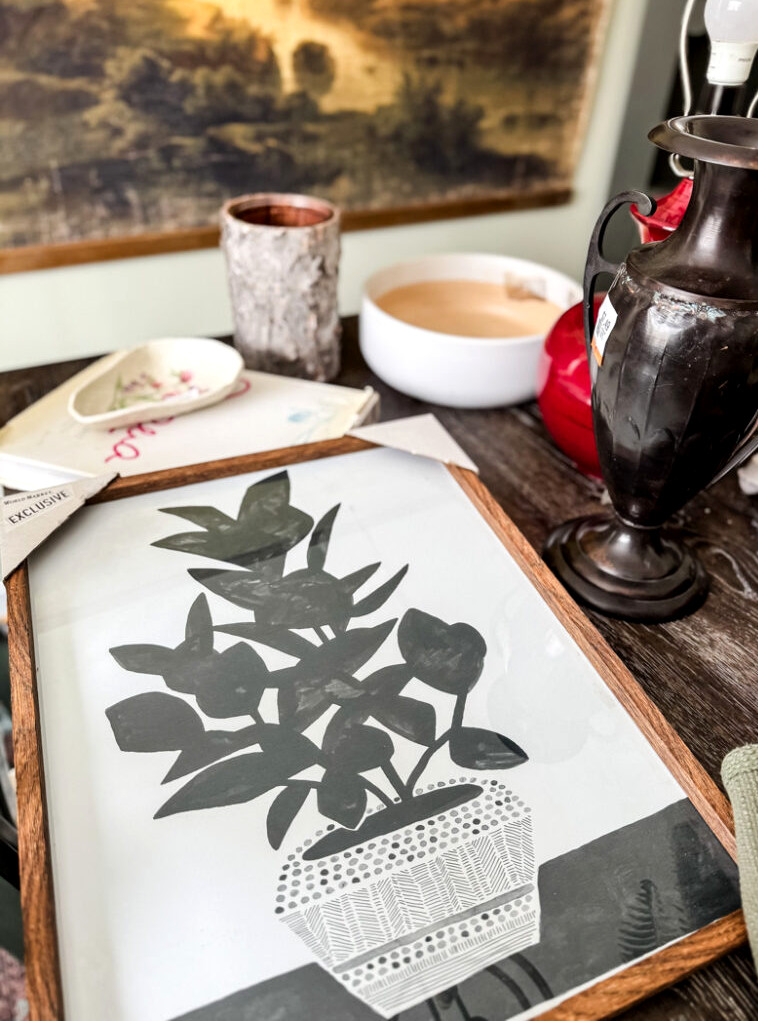
Because thrift store selections are constantly being refreshed, stopping by often increases your chances of uncovering special treasures. If your desired item doesn’t appear immediately, try not to lose heart—thrifting is centered around the thrill of searching! After spending a month finding nothing at nearby thrift shops, I finally struck gold last weekend and came home with so many fantastic pieces for future blog projects!
3. Make a List (But Remain Flexible)
Start by taking a quick look around your home to determine which decorative updates you’d like to make and what items you require, whether that’s picture frames, lamps, or a side table. Save your ideas in your phone. Rather than going directly to a large retailer such as Target, visit your local thrift shops first. At the same time, don’t let your list limit you—when you discover something promising, consider buying it! The most wonderful treasures are often the items you never realized you needed.
4. Examine Pieces Thoroughly
Look closely for damage, absent components, or marks that may interfere with your project. Minor imperfections, such as scratches or flaking paint, can usually be repaired, while serious damage may require more work than the item is worth.
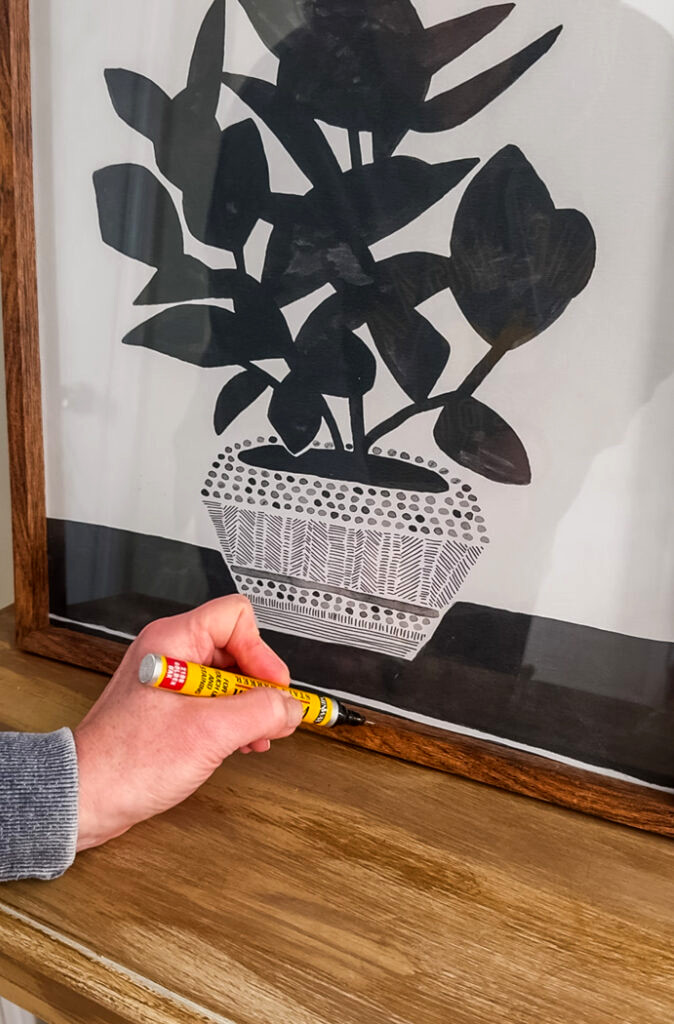
Having a collection of wood stain markers nearby is an easy way to touch up little dents and scratches on thrifted finds without much effort. Recently, I came across a framed artwork whose frame had several small nicks, and the stain markers restored it so beautifully that it looked brand-new!
Whenever I examine furniture with drawers, I make sure to check the scent because older pieces frequently hold stale, musty smells inside. If you adore the furniture and want to remove the odor, there’s a straightforward solution: put inexpensive ground coffee into each drawer and let it sit for roughly a week. I’ve never had this trick fail!
5. Pack a Measuring Tape and Take Photos
Before you buy anything, confirm that it will suit your room and match the look you have in mind. Save photos of the rooms or spaces you’re decorating in your phone’s camera roll so you can consult them while shopping. It’s also useful to record precise measurements in your phone’s notes for each area you’re furnishing. For instance, write down something like, “The coffee table needs to be less than 40 inches.” Keeping these details readily available can make shopping much easier—believe me, unless you’re different from me, you’ll forget them otherwise! With this information, you can steer clear of purchasing something unsuitable for your space.
Pro Tip: Carry a compact measuring tape whenever you go shopping. This small tape measure is ideal and fits easily inside your handbag or coat pocket.
Discover more of my Beginner Thrifting Tips.
What to Search For: Thrifted Treasures for DIY Projects
Not sure whatto watch for? Below are some finds that work wonderfully for DIY decorating projects.
1. Furniture
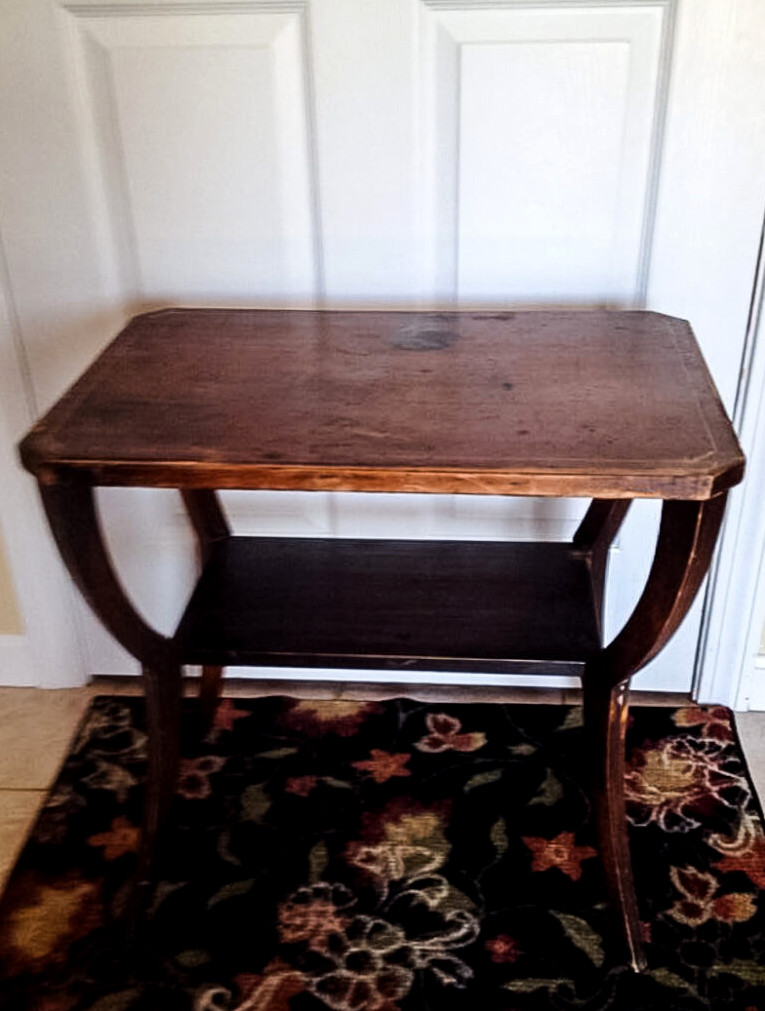
- Examples: Dressers, accent tables, seats, and shelving.
- Why: With paint, updated hardware, or fresh upholstery, these pieces can take on a whole new look.
- Tip: Seek out solid wood furniture—it lasts longer and is simpler to refinish.
2. Picture Frames/Artwork
- Examples: Framed prints, canvases, & petite picture frames
- Why: You can repaint or distress frames, or turn them into handmade wall decor. You can also uncover quality artwork for your walls without spending much.
- Tip: Choose frames without glass for craft projects and reduce your costs.
3. Lamps and Lighting
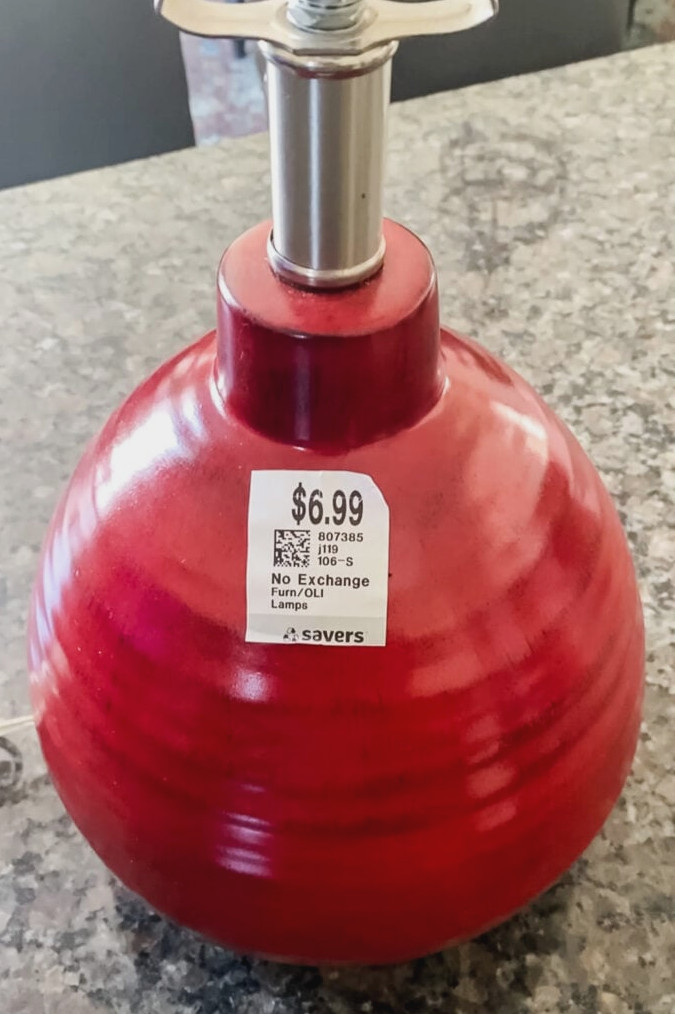
- Why: A new shade or a coat of paint can give an old lamp a refreshed appearance.
- Tip: Make sure the wiring remains sound, or set aside money for a replacement kit. Many shops provide bulbs and plugs you can test before purchasing.
4. Glassware and Ceramics
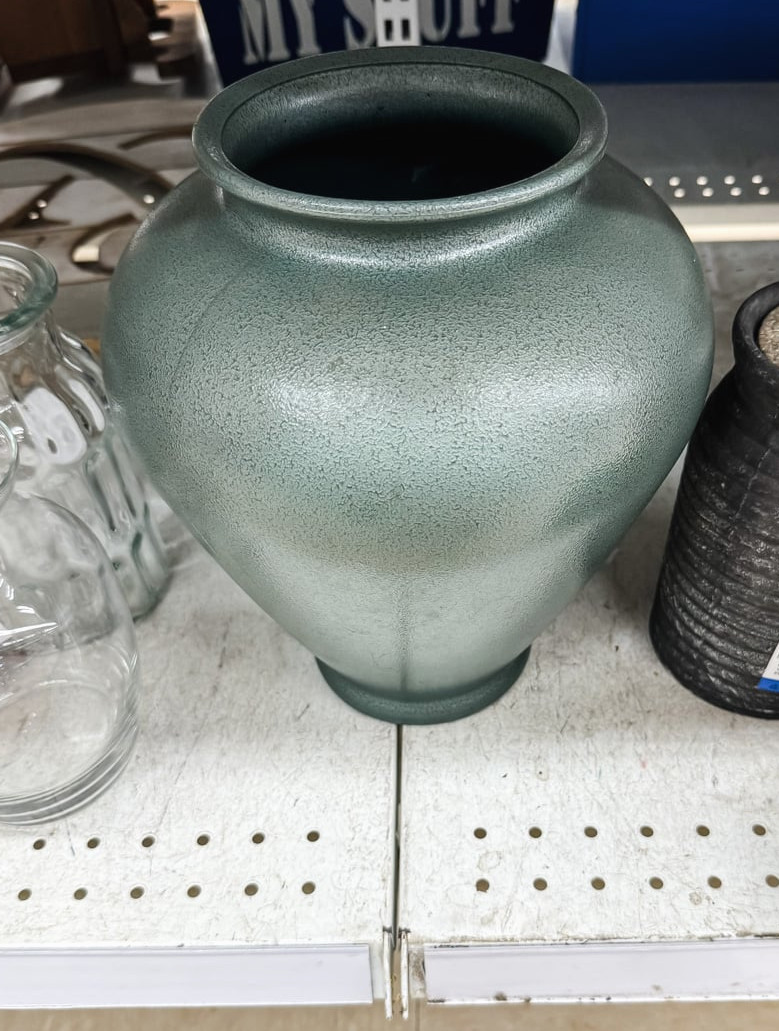
- Examples: Vases, containers, cups, and dishes.
- Why: These are ideal for converting into plant pots, candle vessels, or practical storage.
- Tip: Choose distinctive shapes or designs that paint can bring attention to.
5. Textiles
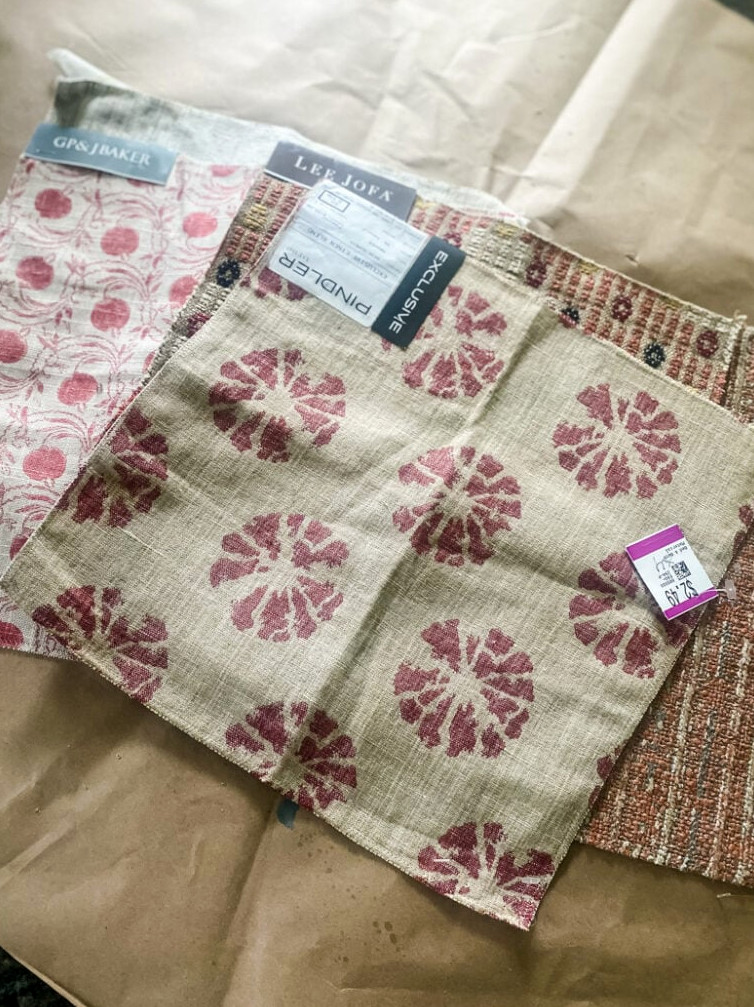
- Examples: Drapes, table coverings, and throws.
- Why: These materials can become cushion covers, wall decor, or upholstery material.
- Tip: Inspect them for marks or damage that might interfere with your project.
6. Decorative Accents
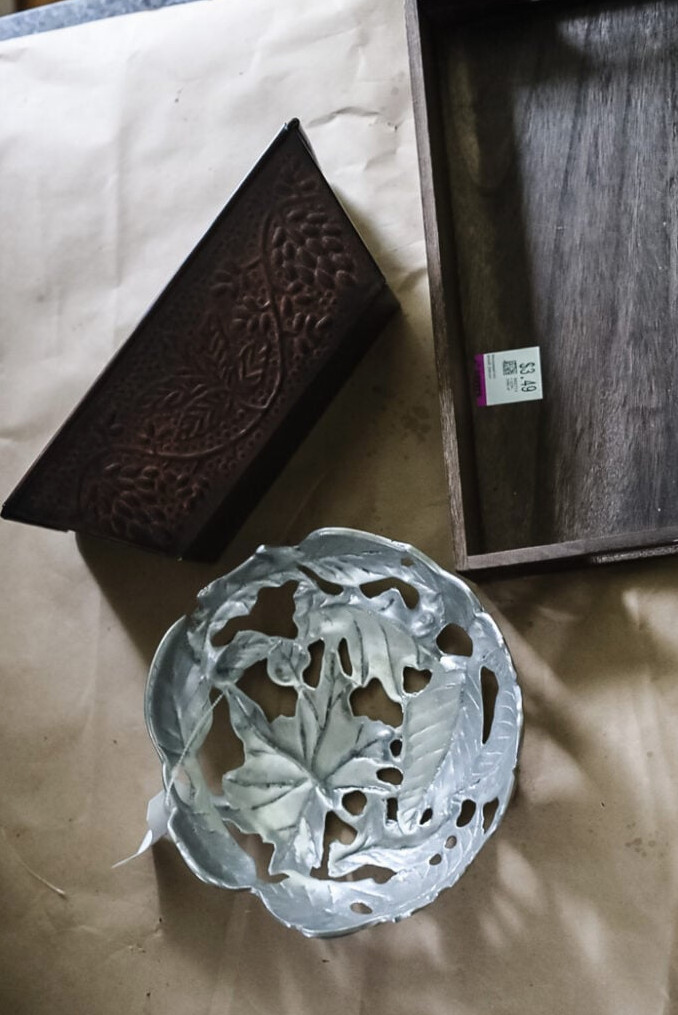
- Examples: Mirrors, serving trays, woven baskets, and statues.
- Why: Even small pieces can be repainted, decorated, or arranged together to create a strong visual effect.
- Tip: Search for pieces featuring appealing forms or tactile surfaces.
DIY Makeovers: Before-and-After Inspiration
Below are several of my favorite DIY makeovers and projects made with thrifted and secondhandfinds.
Furniture Transformations
More than ten years ago, I began restoring pre-loved furniture, with no idea it would inspire my future profession. Since then, I’ve refreshed countless pieces, and it’s amazing to see how a new layer of paint can turn an outdated item into something contemporary and attractive. It’s an affordable decorating solution that also brings distinctive, truly original character to your home!
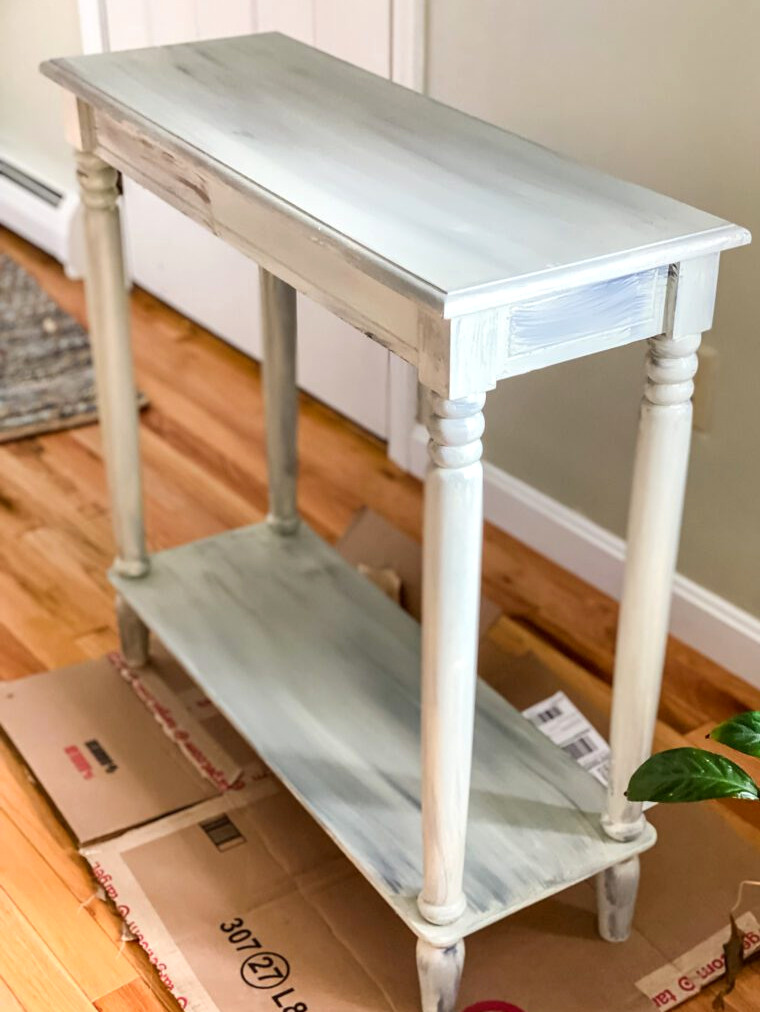
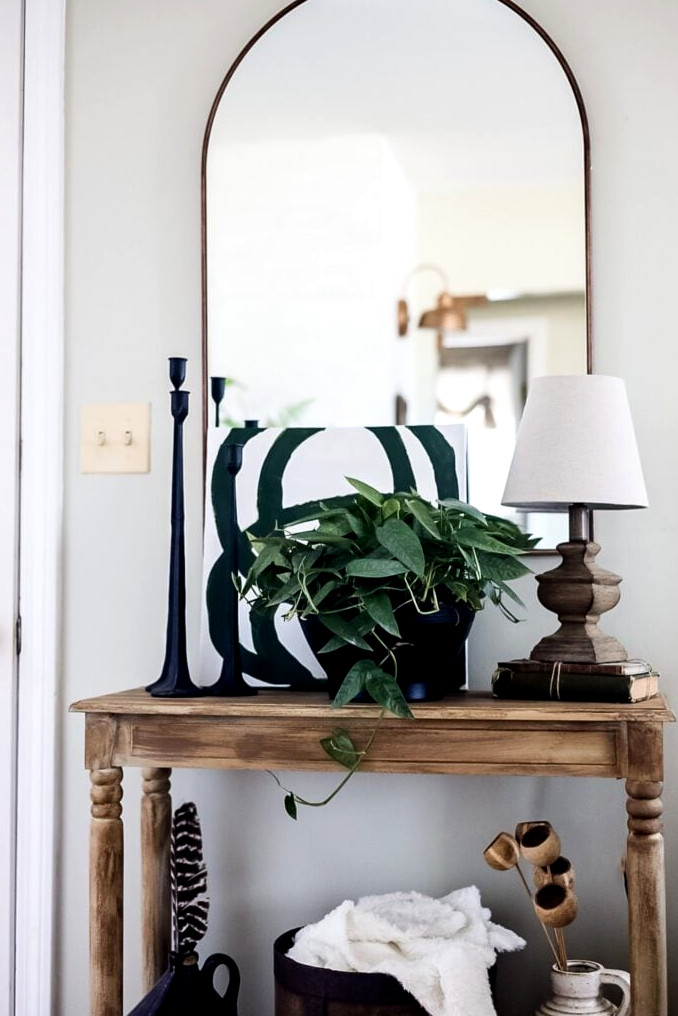
Yard sales are excellent places to find well-made furniture for very little money. While browsing, look for solid wood tables—they’re much simpler to paint and restore than veneered alternatives. Below, I explain how I refreshed my entryway table with an easy painted update!
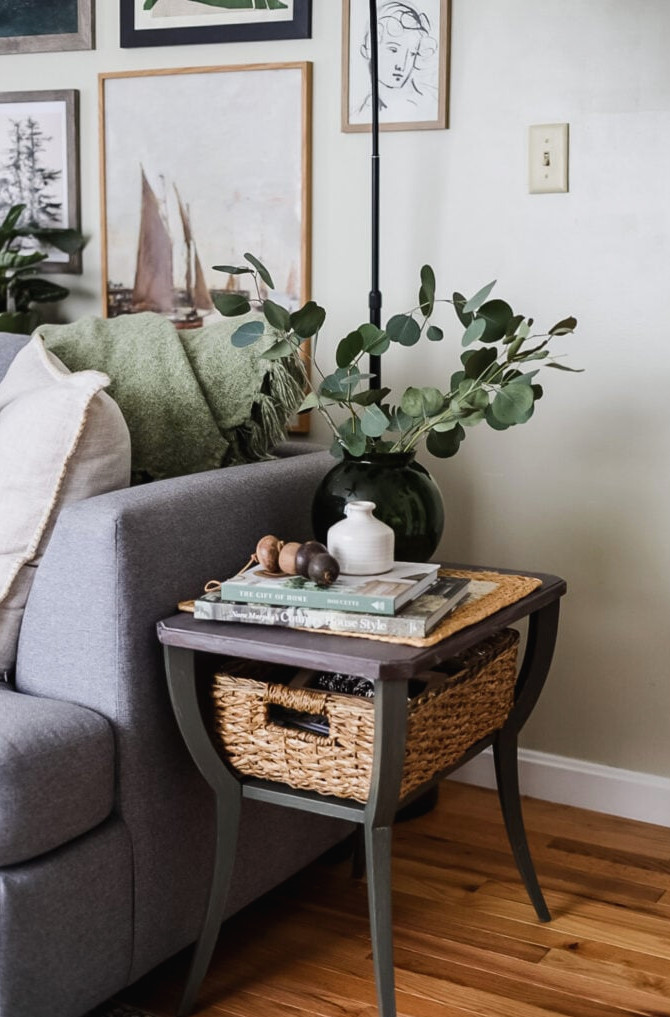
I paid only $5 for this mid-century side table at a thrift store. Besides being made from solid wood, it also had an incredibly interesting silhouette! To give it a fresh appearance, I chose two shades of chalk paint: my preferred gray-blue shade for the table base and a rich brown tone for the top.
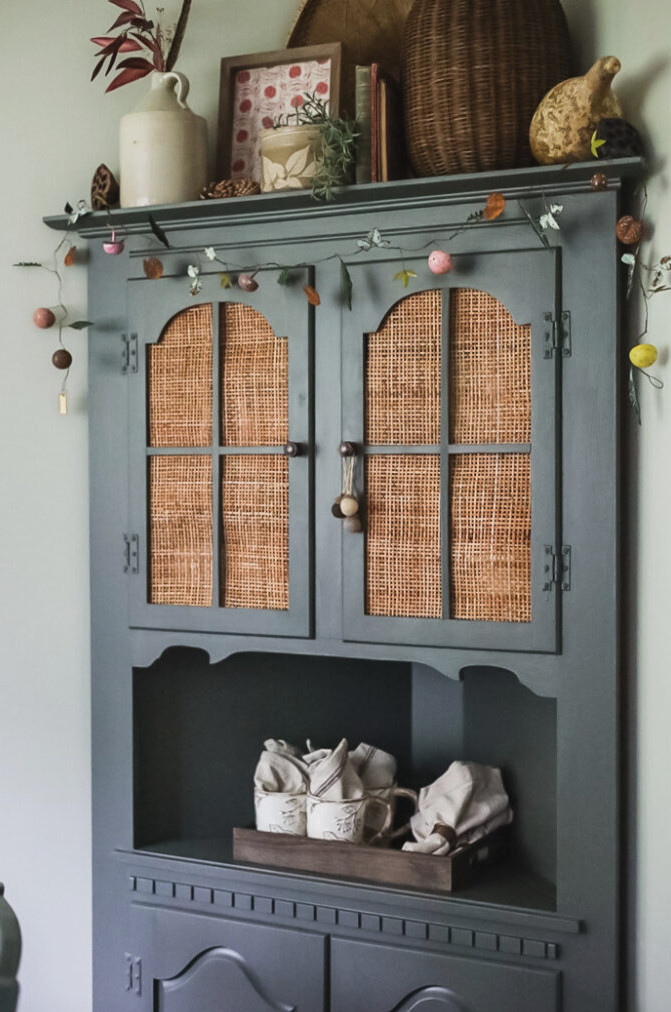
My corner kitchen hutch is one of my most-loved furniture projects. It had been covered in the dated dark-walnut finish that was fashionable during the 1980s! I’ve repainted it several times over the years, but I’m especially fond of its current deep green color (Sherwin Williams “Coriander & Olive“). Removing the glass and installing rattan cane webbing was a straightforward DIY change that completely altered the cabinet’s appearance. The natural detail is one of my favorite parts!
Repurposed Artwork
Pre-owned artwork offers an excellent, inexpensive way to bring character and individuality into your home. Throughout the years, I’ve come across remarkable pieces, including hand-drawn illustrations, limited-run prints, and even an oil painting made by the mother of a renowned abstract artist—which I bought for only $1 at a yard sale! Shopping for art secondhand cuts costs while adding distinctive stories and flair to your surroundings.
Here’s a helpful tip: If you’re not drawn to the artwork itself, be sure to examine the frame. Many older frames are constructed from genuine wood and sell for far less than brand-new options. It’s an excellent way to find well-crafted frames for your own artwork or creative projects!
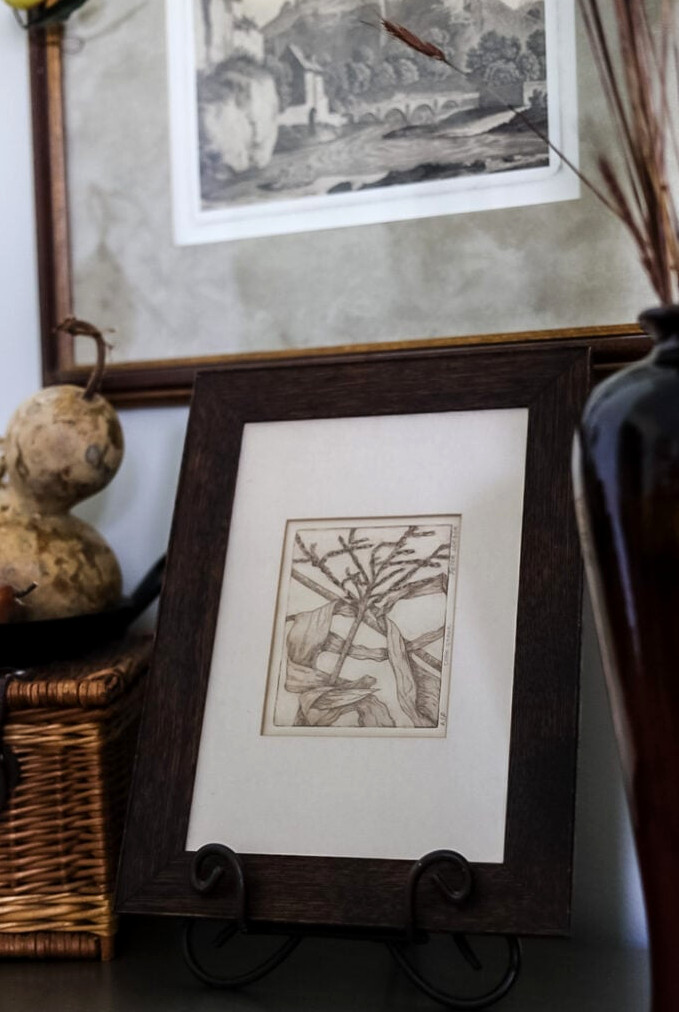
A hand-drawn ink illustration, already matted and set inside a lovely wooden frame, is among my favorite secondhand discoveries. I spent only a few dollars on this original artwork, and it brings an abundance of personality to my home!
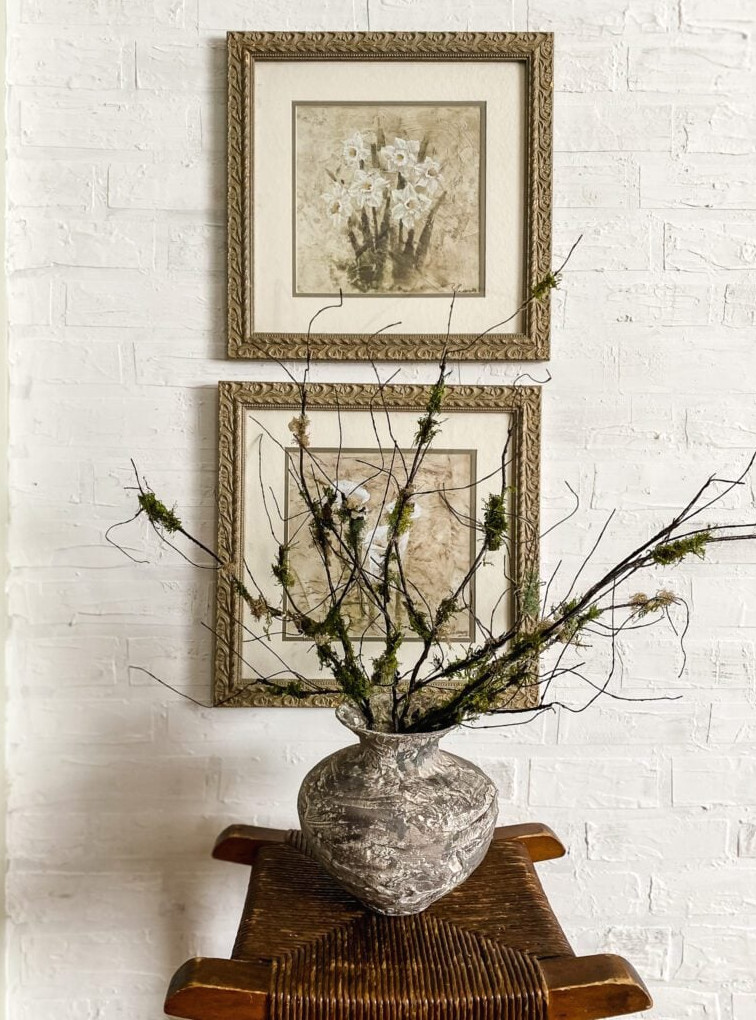
Personalized Lighting
Buying lamps new can be unexpectedly expensive, while thrift shops are packed with reasonably priced lighting possibilities. Be sure to browse the lighting aisle for overlooked treasures. When selecting lamps, I pay more attention to their shape and general condition than their color, because paint or a replacement shade can dramatically change their appearance.
Giving a lamp a coat of paint is an ideal DIY task for beginners—it’s easy, enjoyable, and capable of turning a tired piece into something current. I’ve refreshed several lamps over the years, and every one has brought a distinctive, personal accent to my home. Feel free to experiment—secondhand lamps offer an economical way to illuminate your space!
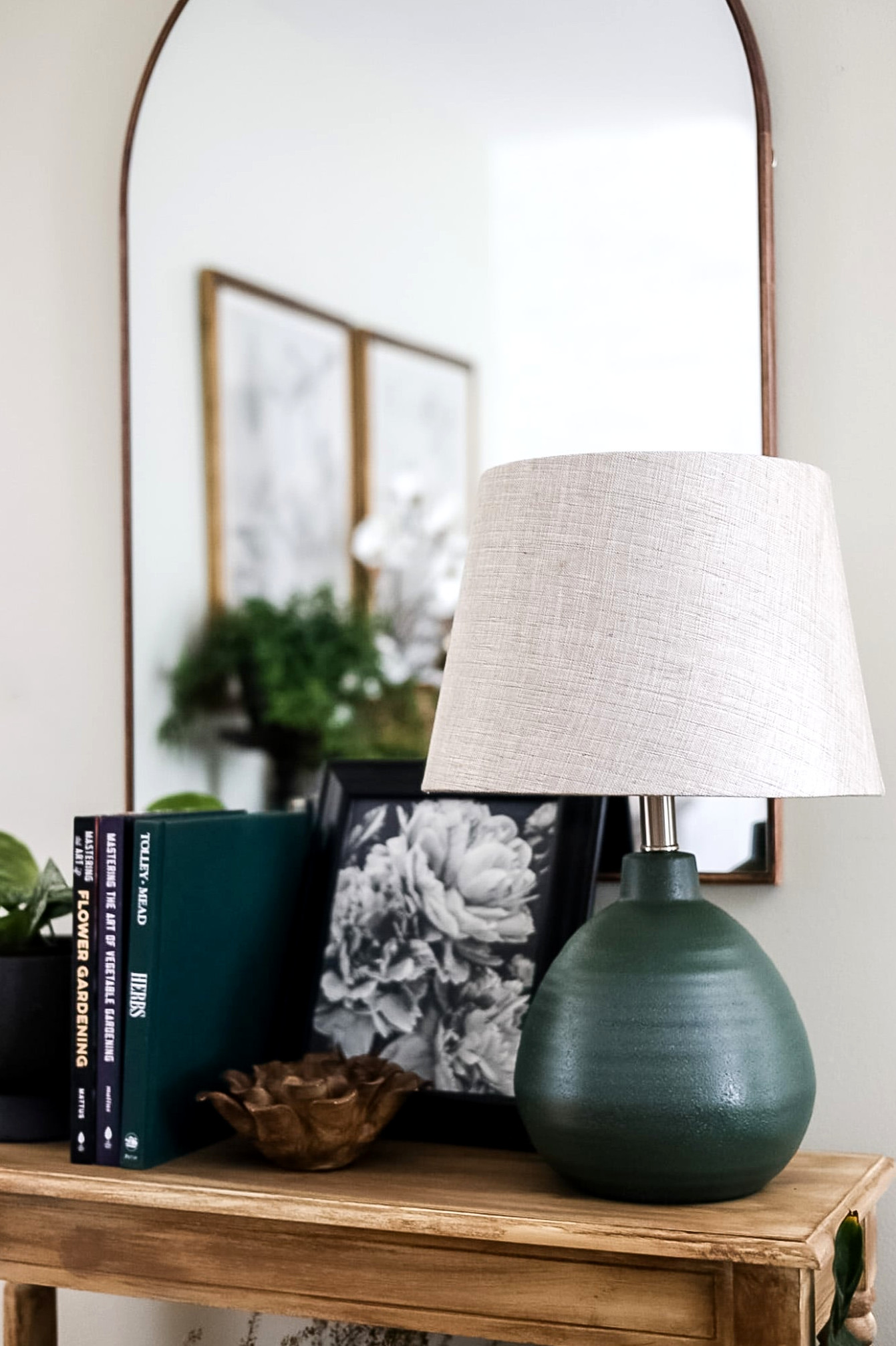
While looking for a green lamp to coordinate with my entryway table, I found a petite red ceramic lamp base during a thrift-shopping trip. The color didn’t work, but its proportions and design were ideal. I transformed it with deep green stone-finish spray paint, and the result matched my vision perfectly! It shows how a little imagination can turn a secondhand item into something that suits your personal style
Refreshing Old Ceramics & Vases
Glass and ceramic items such as vases, jars, mugs,and bowls are excellent thrift store discoveries since they’re wonderfully adaptable for upcycling projects. With a little creativity, these pieces can become planters, continue serving their original function, or receive a fresh new look, making them both practical and ornamental. While browsing, watch for unusual shapes or eye-catching designs—such features can be highlighted with a layer of paint to produce distinctive pieces that bring character to your home.
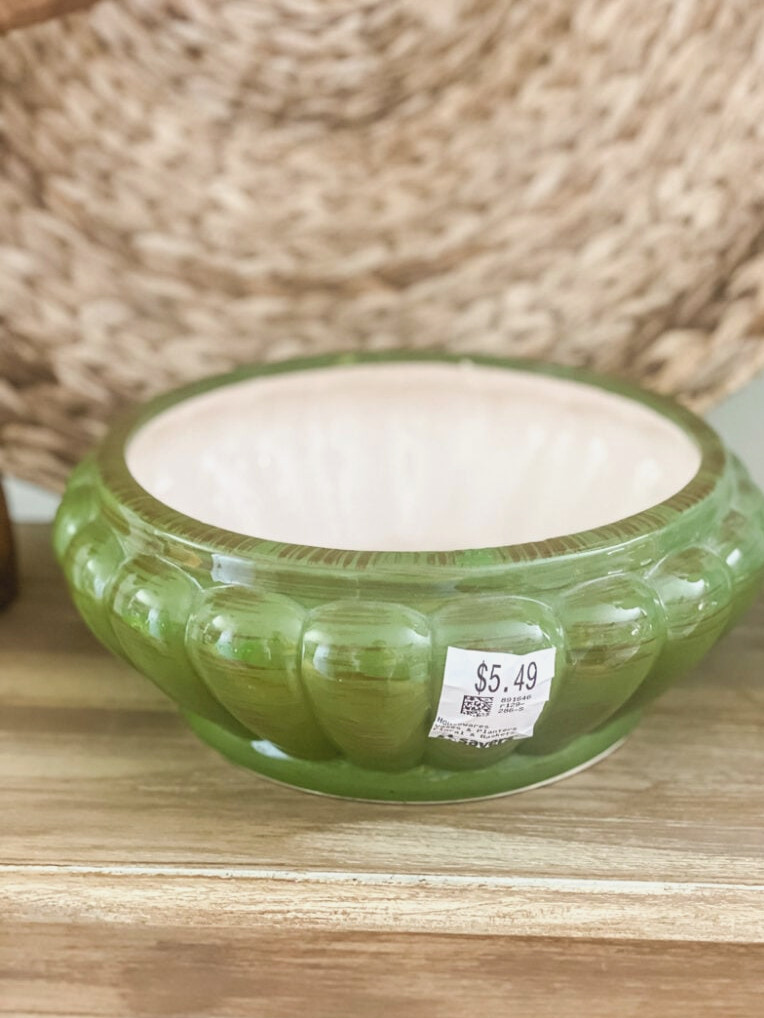
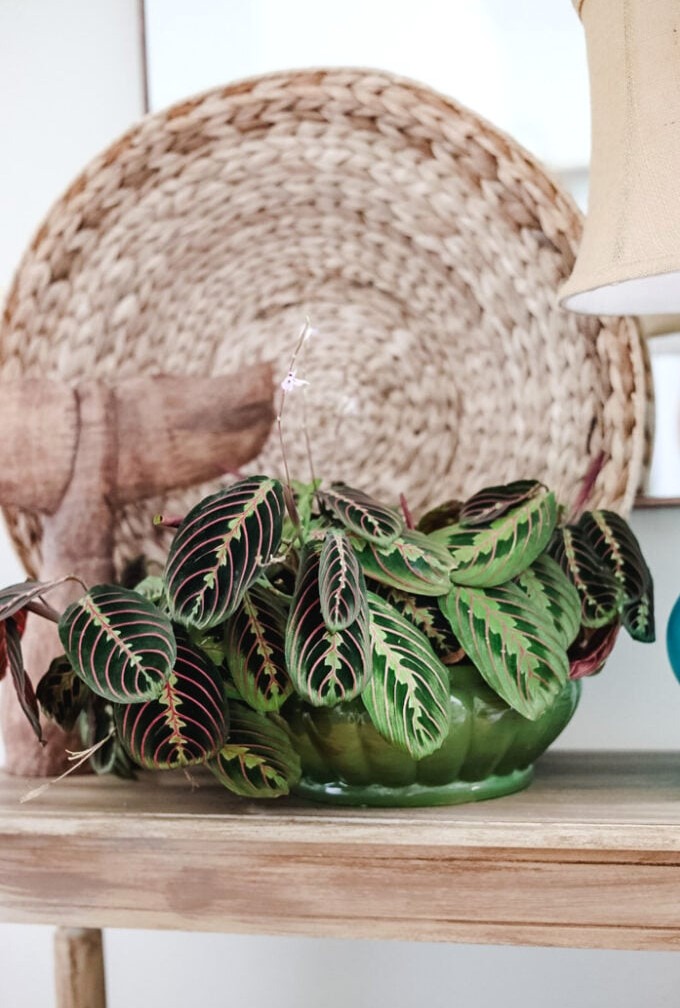
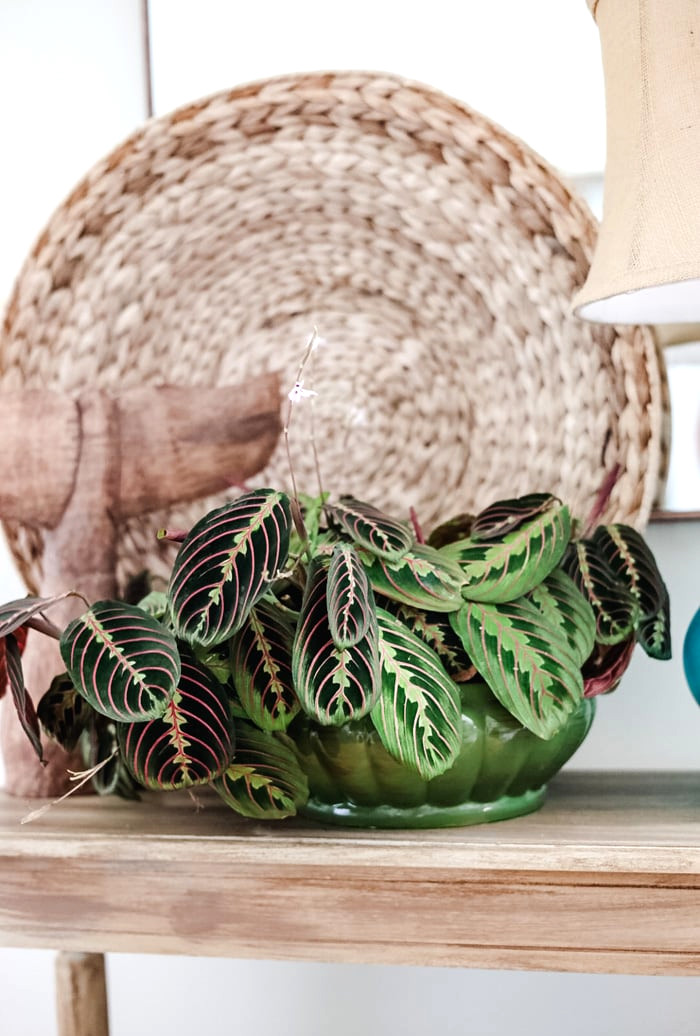
A ceramic bowl with a vintage appearance became an ideal planter for my vibrant prayer plant. It cost far less than buying a new one!
Vases rank among my favorite thrifted finds to refresh and repurpose. Pottery Barn’s classic designs frequently inspire me, and I’ve transformed many pre-owned vases into beautiful versions resembling those I’ve admired online. A touch of imagination and a new coat of paint can work wonders, turning a secondhand treasure into something that looks wonderfully high-end!
Fabric Fun
Thrift shops are packed with reasonably priced textile treasures, including tablecloths, table runners, napkins, and bedspreads. Besides being easy on the wallet, these materials provide countless opportunities for imaginative projects. For those who sew, a lovely bedspread can quickly be converted into personalized throw pillow covers, costing only a small portion of what new ones would.
Sewing skills aren’t necessary either, since plenty of textiles work beautifully without alteration—try placing a vintage tablecloth over your dining table or casually layering a bright bedspread on a sofa for a warm, collected feel. Buying textiles secondhand is an eco-friendly, fashionable way to update your home decor while staying within budget!
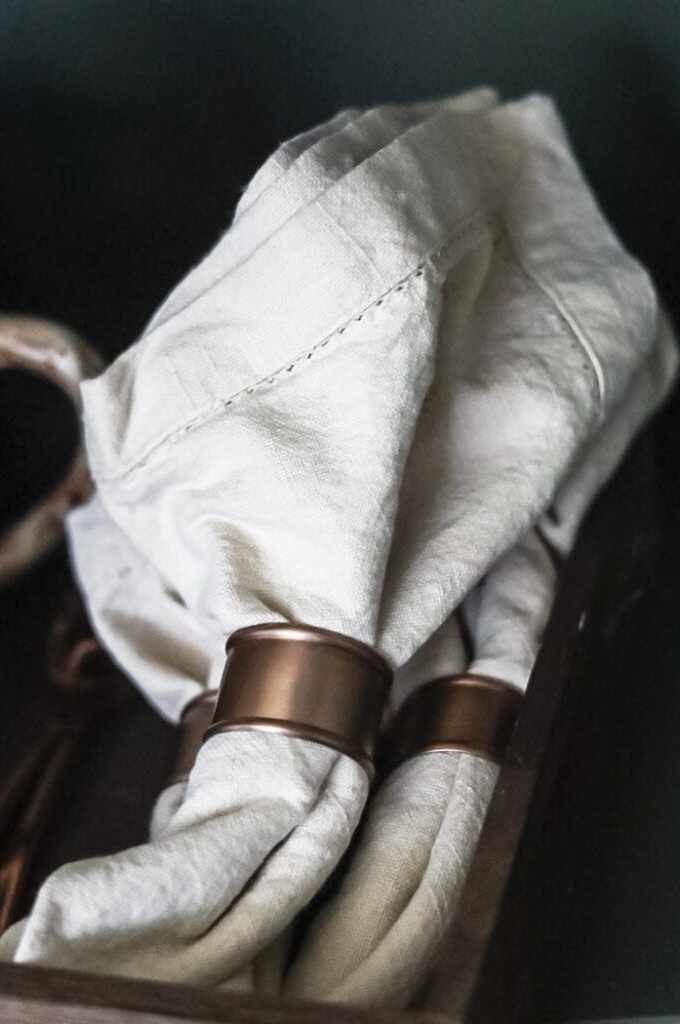
At one thrift shop, I discovered a package of 12 unused fabric napkins for only a few dollars. Because they were so inexpensive, I’m perfectly happy keeping them on the counter as an earth-friendly replacement for paper napkins. Even if daily use causes them to become slightly worn, it’s hardly a concern—they were an incredible bargain!
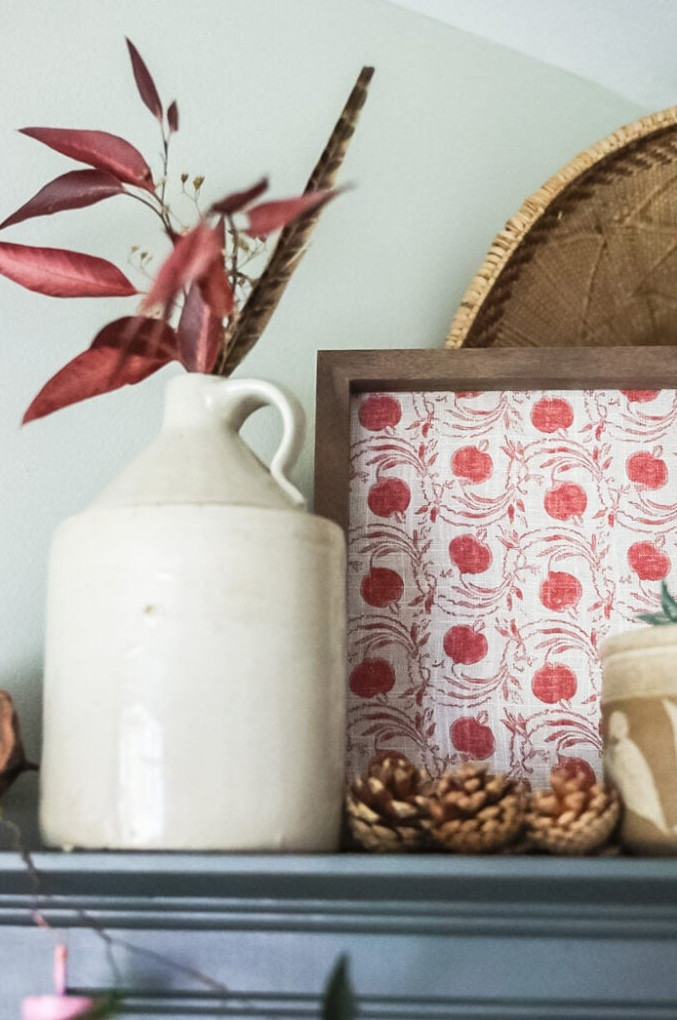
For an inexpensive, artistic display, consider framing vibrant fabric samples. In the image above, I repurposed a shadowbox-inspired frame by attaching a lovely piece of fabric to its backing with glue. This simple project brings an individual, customized accent to your walls at a very affordable price.
Decorative Touches
I’m constantly searching for distinctive decorative accents. Because I enjoy refreshing my decor with the seasons, these finds help my home feel new without spending much (and I get to pass my ideas along to you!).
When viewing an item, a bit of creativity is sometimes needed to picture its possible transformation!
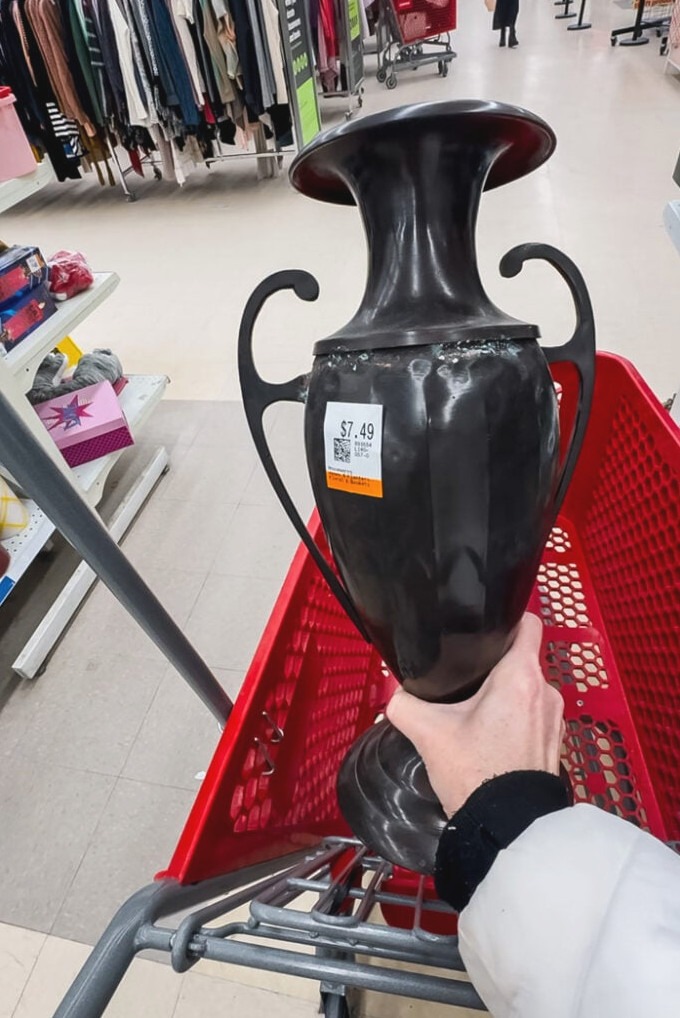
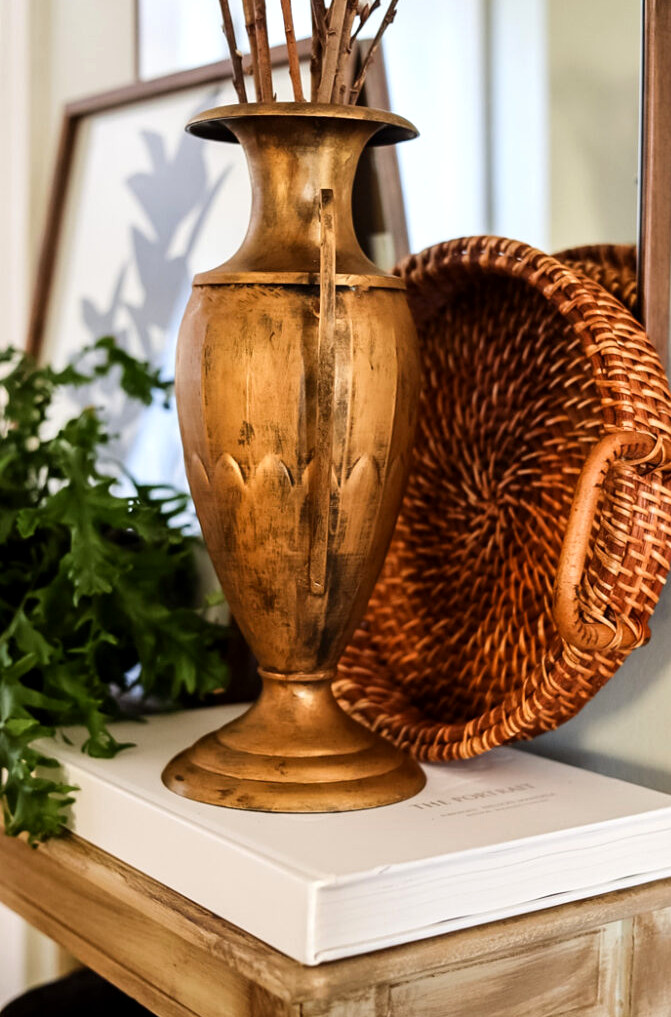
On my latest thrifting outing, I spotted a sizable metal urn, though its deep bronze finish seemed a little too “ancient Rome” for my contemporary decorating taste. Still, I could see its possibilities and knew it would be simple to update. For a brighter, more current appearance, I applied Rub ‘n Buff in Gold Leaf, creating precisely the polished accent I had imagined! It was included in my $20 thrift haul makeover.
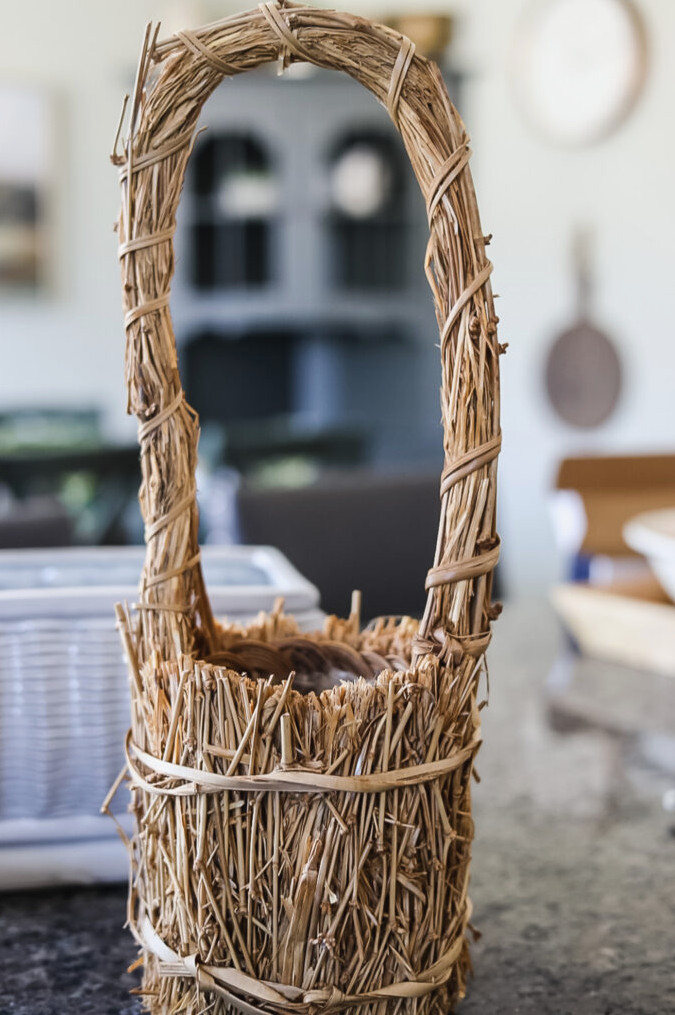
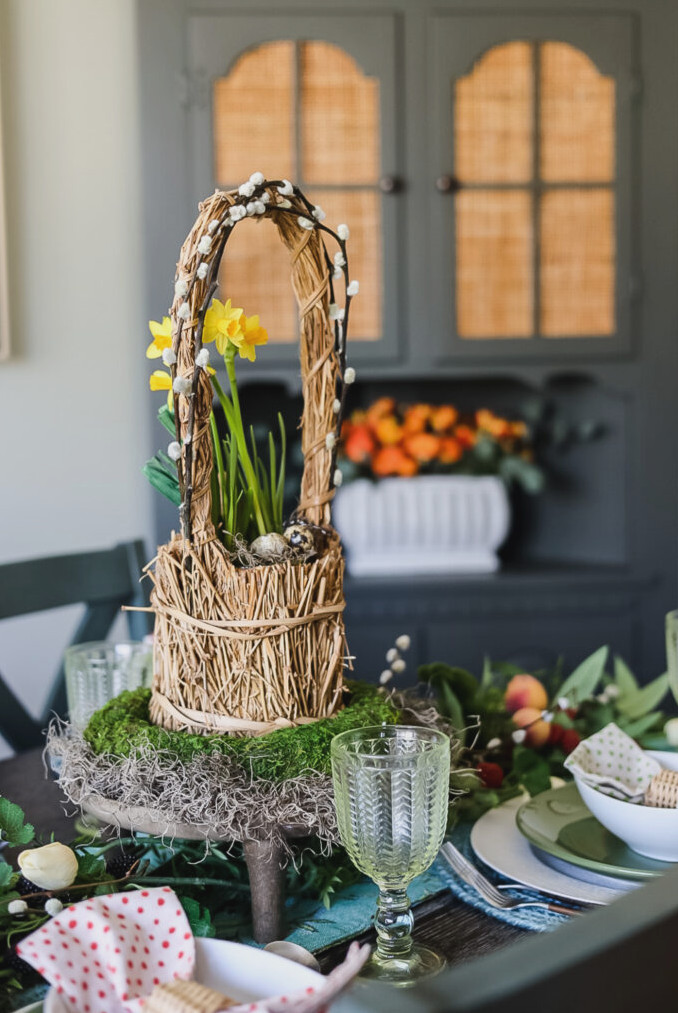
A charming basket provided the ideal base for a Spring tablescape featuring petite daffodils and tiny eggs,I tied fresh pussy willows around the handle to add an extra detail.
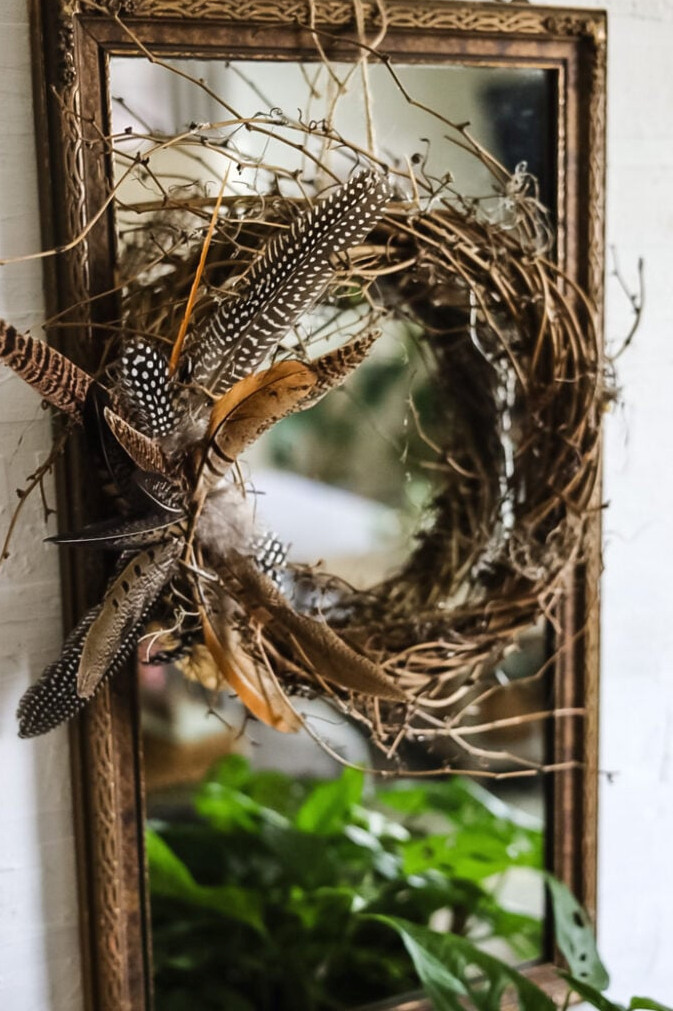
This antique mirror has been with me for so long that I no longer remember whether I found it at a yard sale or in a thrift shop. Regardless, it has remained a mainstay in my living room for years! It not only reflects light throughout the space and makes the room appear brighter, but it also provides an ideal place to change out a small wreath as the seasons shift. Functional and ornamental, it’s a genuine thrifted gem!
4. Affordable Thrifting Strategies

Decorating with thrifted pieces is already economical, but a few clever tactics can help you spend even less. These are my favorite ways to get the greatest value while thrifting:
Create a Spending Limit
Determine your spending limit before leaving home. With so many appealing treasures around you, it’s easy to lose track, but a set budget keeps you on course and prevents unnecessary purchases. For instance, place a $20 cap on a search for several small decor pieces. When shopping for furniture, establish the highest amount you’re prepared to spend. Remaining within your limit leaves money available for your next thrifting outing!
Take Advantage of Sales
Discount days and promotional events are common at thrift stores and can make your purchases even more affordable. Some shops, for instance, reduce everything by half on Saturdays, while others run weekly color-tag promotions on selected merchandise. Certain stores also email additional coupon codes. Ask the employees about upcoming promotions so you can arrange your visits around them. Buying during sales is an excellent way to make your money go further and find quality pieces for much less.
If there’s a Savers thrift store close to you, donating items there will earn you a 20% off coupon for use in the store.
Ask for a Better Price
At yard sales and flea markets, especially, it’s perfectly fine to negotiate. Sellers may be willing to bargain when something has remained unsold or shows a few minor imperfections. Ask courteously whether they can reduce the price—you may be amazed by how frequently they agree! If you discover a vintage mirror with a small chip, mention the flaw and suggest a lower amount. Bargaining can lead to fantastic finds that only require a little care. I only negotiate in these settings: flea markets, Facebook Marketplace, and yard sales.
Give Items a New Purpose
Thrifting encourages you to look at everyday objects in imaginative ways. Rather than limiting an item to its intended use, consider how you might reinvent it. An old wooden ladder, for example, could serve as a fashionable blanket stand, while mismatched teacups could become delightful planters for succulents. Reworking secondhand pieces allows you to design one-of-a-kind, personal decor on a budget. It’s also an environmentally friendly approach to decorating!
- Set a Budget: Establish your spending limit before heading out.
- Shop Sales: Look for store promotions, such as half-price Saturdays.
- Negotiate: Politely request a reduced price, particularly at garage sales or flea markets.
- Repurpose and Reuse: Use your imagination—items can serve purposes beyond their original design.
5. Supplies and Equipment for Thrifted Makeovers
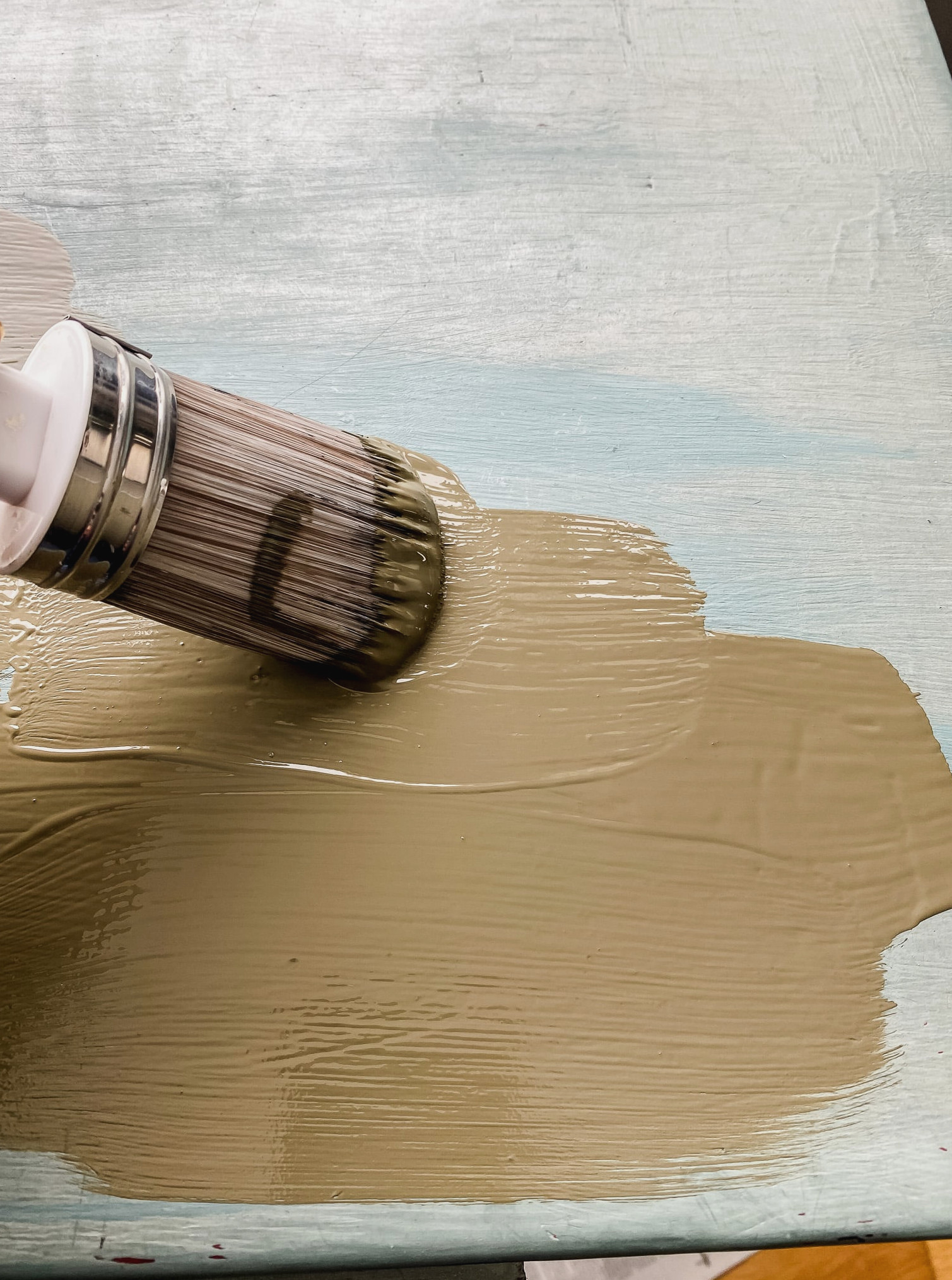
To revamp secondhand treasures successfully, you’ll need the proper tools and materials.Paintis one of your most useful supplies—chalk paint is excellent for furniture transformations, spray paint is ideal for smaller decorative pieces, and acrylic paint works well for applying vivid accents.
Be sure to havebrushes and rollersfor achieving seamless, consistent coverage, along withsandpaperto prepare surfaces before painting. Spending a little more on a few high-quality paintbrushes is worthwhile.
For construction and decoration, keep plenty ofadhesiveson hand, including a hot glue gun, Mod Podge, and E6000.
Lastly, rememberhardware—replacing knobs, pulls, or hinges can quickly refresh furniture and create a clean, finished appearance. Hobby Lobby offers a large selection of knobs and pulls for refreshing thrifted pieces.
Once you have these basics ready, you’ll be equipped to transform any secondhand treasure!
- Paint: Chalk, spray, and acrylic varieties.
- Brushes and Rollers: Useful for painting furniture and decorative items.
- Sandpaper: Needed for preparing surfaces.
- Adhesives:Hot glue gun, Mod Podge, and E6000.
- Hardware: Furniture knobs, pulls, and hinges for refreshing pieces.
diy essentials
the basics you need to begin
These are the supplies I keep stocked in my workshop.
6. Common Errors to Steer Clear Of
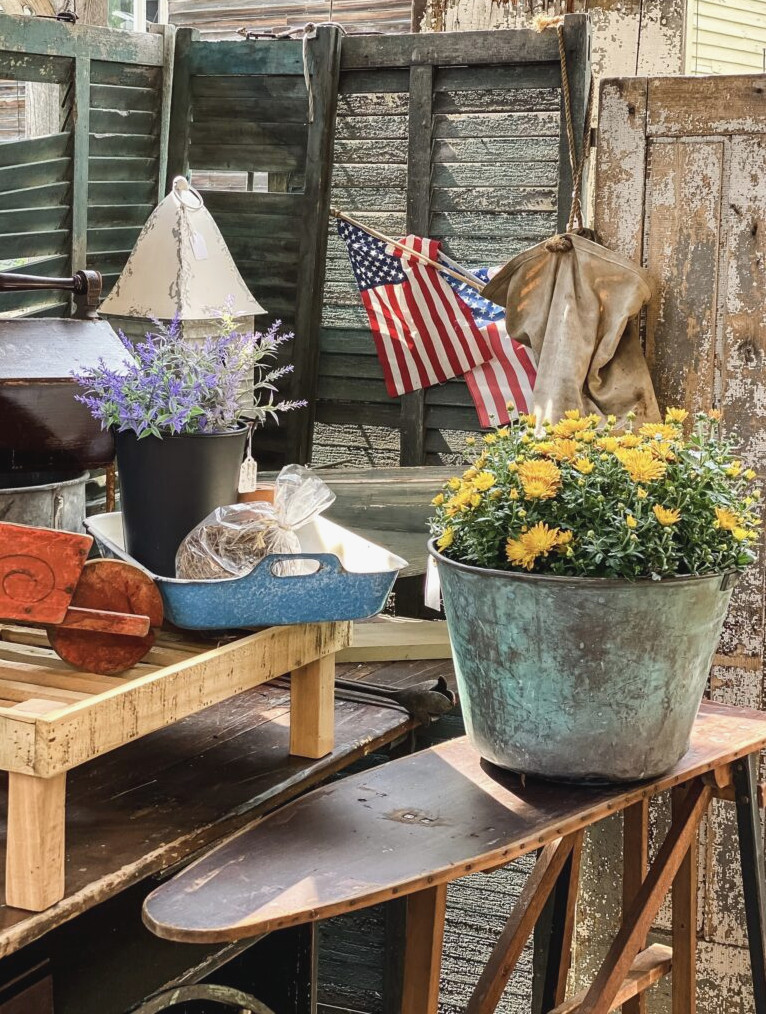
Thrifting & shopping secondhand can be highly rewarding, yet it’s easy to get swept up or miss crucial details. Here are a few typical mistakes to keep in mind—and ways to prevent them:
Buying Too Much
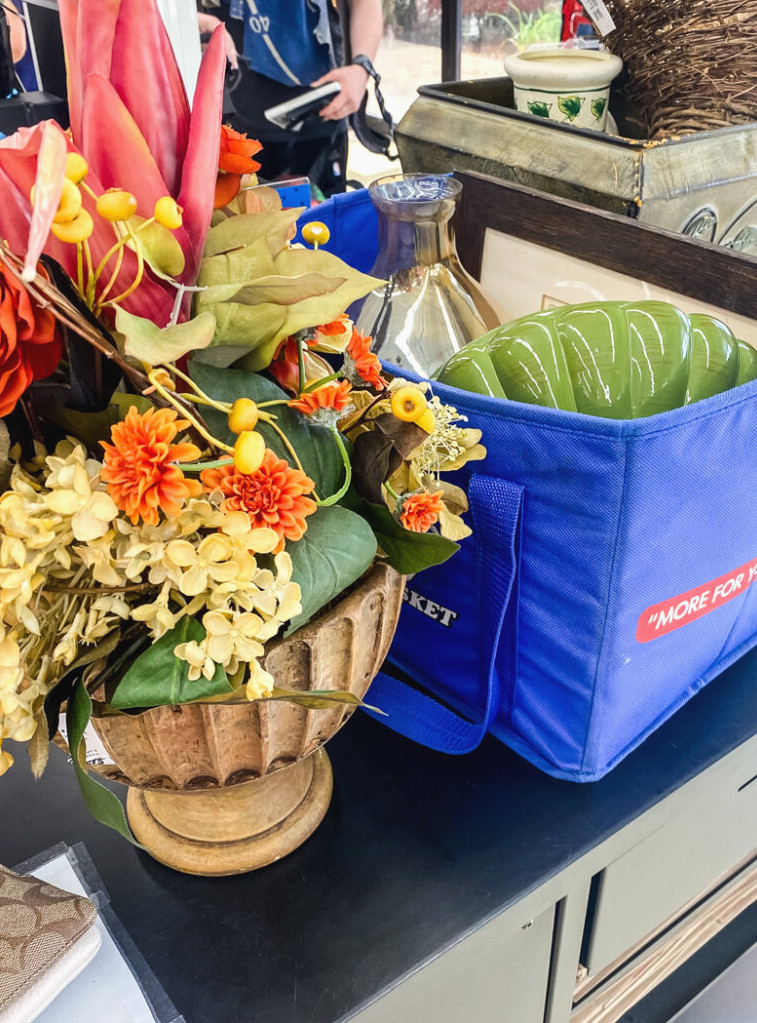
It’s easy to load your cart with every charming or unusual item you spot, but buying too much can rapidly exceed your budget and leave you with a stack of projects you lack time to finish (I’m guilty too!). To prevent this,follow your listand prioritize pieces you truly need or already have a purpose for. When something not on your list catches your eye, ask yourself:Do I have a definite plan for this? Will it work with my space or style?If the answer is no, it’s likely best to pass it up.
Keep in mind that thrift stores regularly receive fresh inventory, so you’ll have many more chances to discover the ideal piece. In my defense I’ve put every single item in that photo above to use!!
Overlooking Imperfections
Although thrifted pieces frequently offer plenty of potential, you shouldexamine them thoroughlybefore purchasing. Minor issues such as scratches, flaking paint, or loose screws are often repairable, while serious damage—such as broken furniture legs or significant fabric stains—may not justify the work. Before making a purchase, ask yourself:Can I realistically fix or work around this problem?If the answer is no, it’s wiser to continue searching. A bit of careful inspection can keep you from taking on a project that creates more hassle than value.
Forgetting to Measure
This one is especially important!! Few things are more frustrating than falling for a furniture or decor piece and then discovering it won’t fit your room. To prevent that,always carry a measuring tapeand know the size of the space you’re decorating. When looking for furniture, measure your doorways and hallways so you can confirm the item will actually make it into your home.
With smaller decorative pieces, think about how they’ll coordinate with what you already own. Spending a couple of minutes measuring can spare you the frustration of returning or reselling something that isn’t suitable.
- Buying Too Much: Follow your list and steer clear of impulse buys.
- Overlooking Imperfections: Confirm that damage can be repaired before purchasing.
- Forgetting to Measure: Always verify that pieces will suit your space.
Your Thrifting Toolkit is Ready!
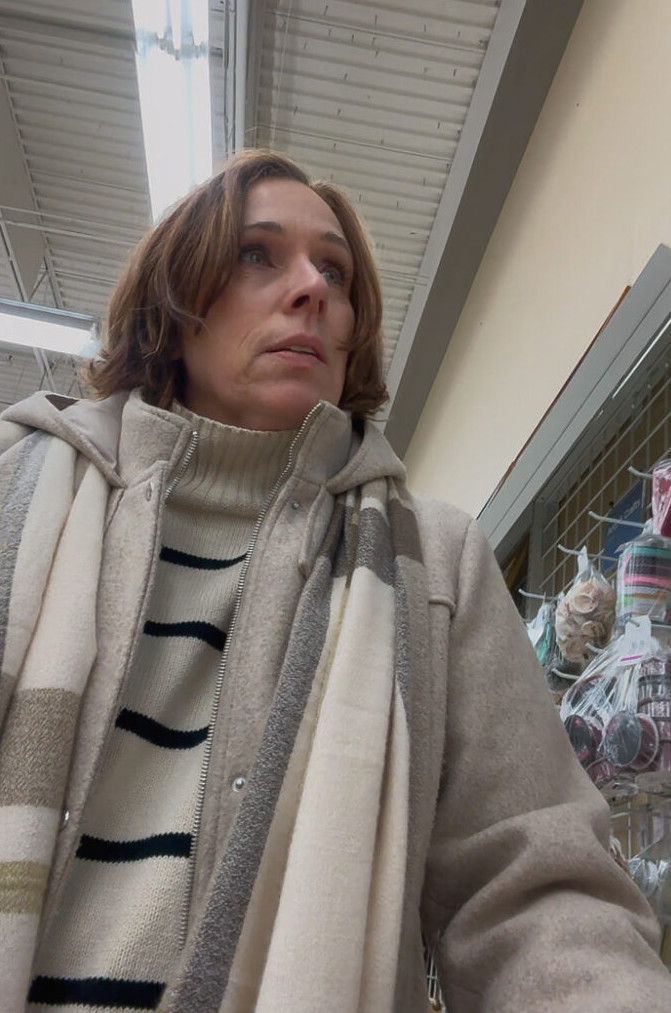
Thrifting is about far more than saving money—it’s a creative experience that helps you decorate your home with distinctive, one-of-a-kind treasures. With these suggestions, you can browse thrift stores confidently, uncover hidden gems, and turn them into beautiful DIY decor that showcases your individual style. Remember, the true joy of thrifting lies in the experience: the excitement of searching, the satisfaction of finding something special, and the pleasure of giving an old item a fresh purpose.
So pick up your reusable shopping bag, visit a nearby thrift shop or flea market, and give your imagination free rein. Whether you’re updating a furniture piece, designing personalized wall art, or repurposing an unusual thrifted discovery, the options are limitless. And remember—mistakes are simply part of the journey. Each project gives you an opportunity to learn, improve, and make your space feel completely yours.
xo, Jennifer
Have you discovered any wonderful thrifted treasures recently? I’d love to hear about your favorite finds and DIY makeovers! Share your stories in the comments below send me your photos so I can see your creativity in action (emailme at jennifer@cottageonbunkerhill.com ). And if you’d like even more thrifting advice and DIY ideas, make sure to follow along for my newest projects and tutorials!
Printable Fine Art
29 Complimentary Downloads
available only to email subscribers