
A down-to-earth, personal guide to creating a home you adore through thrifting, crafting, gardening, and thoughtful choices.
Quick Overview
- What: A personal look at my genuine decorating approach and the six principles I’ve followed since my very first apartment.
- Who it’s for: Anyone longing for a beautiful, meaningful home but feeling worn out by trends, shopping hauls, and the pressure to begin again every season.
- The six pillars: Start with secondhand · Create it before purchasing it · Invite nature indoors · Shop your own home first · Purchase slowly and thoughtfully · Welcome the imperfect and collected
- The bottom line: A lovely home isn’t created by chasing trends or spending a fortune. It comes from building gradually, shopping with purpose, and surrounding yourself with pieces that genuinely matter to you.
Somewhere, there is a photograph—or perhaps only an especially vivid memory—of a woman in her twenties walking along a city street with a wicker rocking chair balanced above her head.
That woman was me.
The chair came from the antique store located down the block from my first grown-up apartment. It was likely designed for a porch. It was absolutely impractical in a tiny city apartment. I didn’t care in the slightest. I adored it, it belonged to me, and I was going to bring it home somehow—even if that meant carrying it overhead.
That rocker was the first piece of furniture I ever bought, and in hindsight, it revealed everything I needed to understand about how I would decorate for the rest of my life.
At the time, my apartment was nearly bare. I had the necessities: a bed, a handful of basics, and now a wicker rocker better suited to a wraparound porch. But this is the important part: every time I saw that chair, it lifted my mood. It had personality. It carried a story. It felt like me in a way that nothing purchased from a furniture showroom ever could. Soon after, I bought a dining set from a couple who was moving out of the building…
From there, I was completely captivated. It wasn’t only thrifting that drew me in, but the entire process: searching, discovering, and finding a creative way to make an unexpected item work beautifully in a room. A few years later, while working in Boston, the visual merchandising team at my workplace would sell off older styling pieces. I would head home carrying armfuls of vintage galvanized buckets, unusual props, and all sorts of marvelous objects that no one else seemed to know how to use. The train ride home was always an adventure!! Once back at my apartment, I arranged them on shelves, placed artwork-calendar prints in thrifted frames, and combined objects in ways that felt layered, personal, collected, and entirely my own.
I was combining vintage and contemporary pieces before I even knew what to call it. I simply understood that it felt right.
Flowers became part of the picture too, nearly from the start. My mom loved gardening, and while I was growing up, our house always held fresh blooms—nothing elaborate, just whatever happened to be flowering in the garden. The comfort of seeing a vase of flowers on a table became one of my absolute essentials. Even today, a modest bunch of tulips from Trader Joe’s brings me real joy in a way that nothing from a home decor shop ever quite can.
Hi, I’m Jennifer. I believe the finest homes share a story—and mine is composed of discovered treasures. To me, thrifting is about more than spending less; it’s about shaping a home filled with soul, character, and a touch of New England’s past, one pre-owned treasure at a time.
How I Truly Decorate: My Approach to a Timeless, Soulful Home
I launched this blog in 2019, and if you travel far enough through the archives, you’ll discover an earlier version of it—and, truthfully, an earlier version of me. There were faux flowers, a different look, and plenty of experimenting as I found my direction. Then, in early 2023, something changed. I completely moved away from artificial blooms and embraced real, garden-to-home living: raising my own cut flowers, carrying nature indoors, and allowing the seasons to influence how my home looked and felt. I haven’t looked back once. That change transformed more than my content. It reshaped my entire connection to my home.
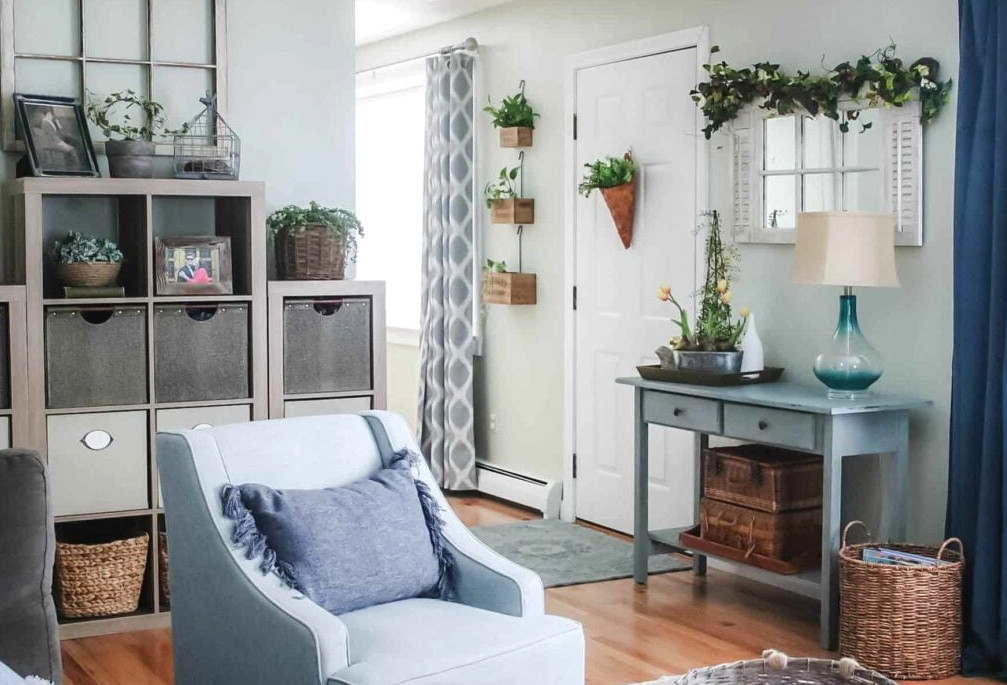
Somewhere within all of it—the wicker rocker, the Boston styling sales, my mother’s garden, and the gradual movement toward something that feels wholly and honestly mine—a method took shape. It wasn’t a collection of instructions borrowed from a decorating book. It was simply a way of relating to a home that I’ve been naturally practicing throughout my adult life.
This post is my effort to express it clearly.
I call it Style With Soul. This is how it comes together.
Pillar #1: Begin with Secondhand Shopping
If you’ve been visiting Cottage on Bunker Hill for a while, this probably won’t come as a surprise. Still, I want to share why it’s consistently my first choice, because it goes beyond saving money—even though that’s certainly a wonderful bonus.
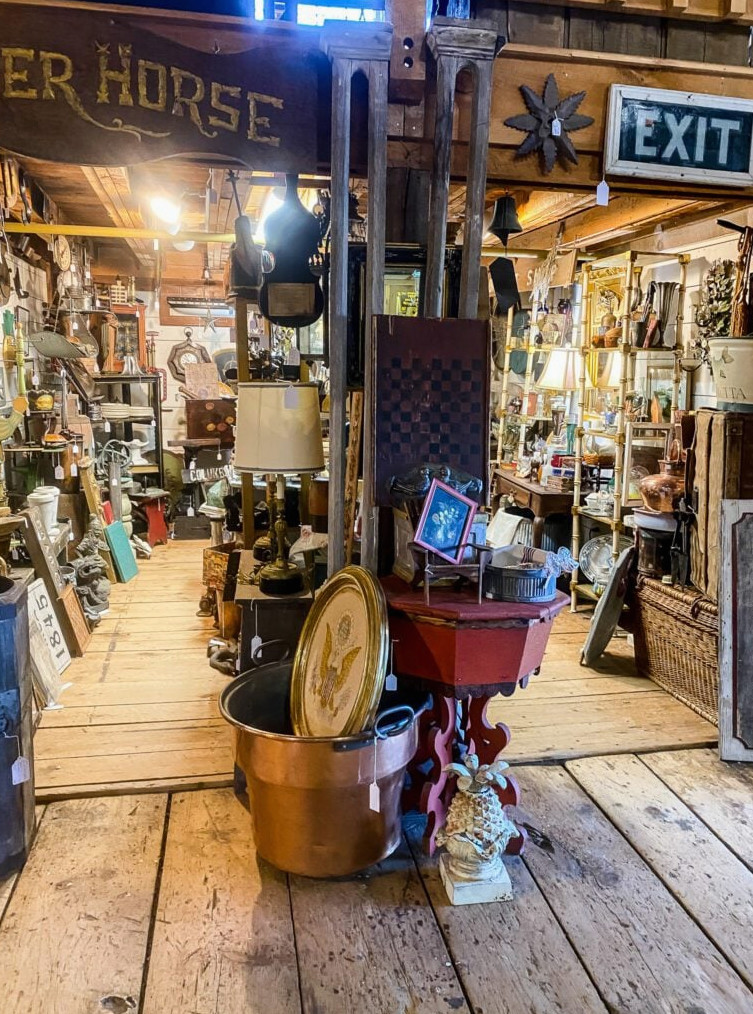
It’s all about the search. There’s something exciting about stepping into an antique shop or arriving at a yard sale without knowing what awaits you, then leaving with an item that truly makes you happy. It’s the personality that comes only from something with a history of its own. And honestly? Quality plays a major role too, because it took me some time to fully realize this little secret: older furniture is nearly always constructed better than new furniture.
I’m completely serious. The side tables, nightstands, corner hutch, and console table throughout my home? Each one was found at a yard sale, given away, or purchased at a thrift store. I’ve painted, updated, and personalized every single piece. I was doing this years before I ever shared a single thought about it on this blog. It was simply the way I furnished my home, because no other method ever felt as sensible to me.
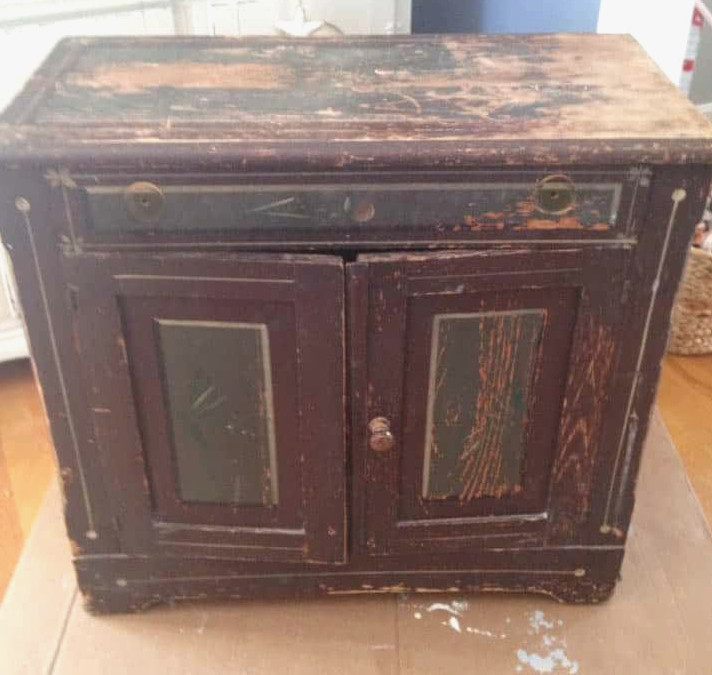
One of my favorite transformations is a petite cabinet I discovered in truly awful shape. It featured two doors, one drawer, and the prettiest original hardware. I spent $15 on it. After painting it with two shades of neutral chalk paint, I added fleur de lis stencils to the doors. It now serves as a nightstand in my bedroom and is honestly one of the pieces I love most in the whole house. No one looking at it would imagine that it cost fifteen dollars and one Saturday afternoon. That is the beauty of it.
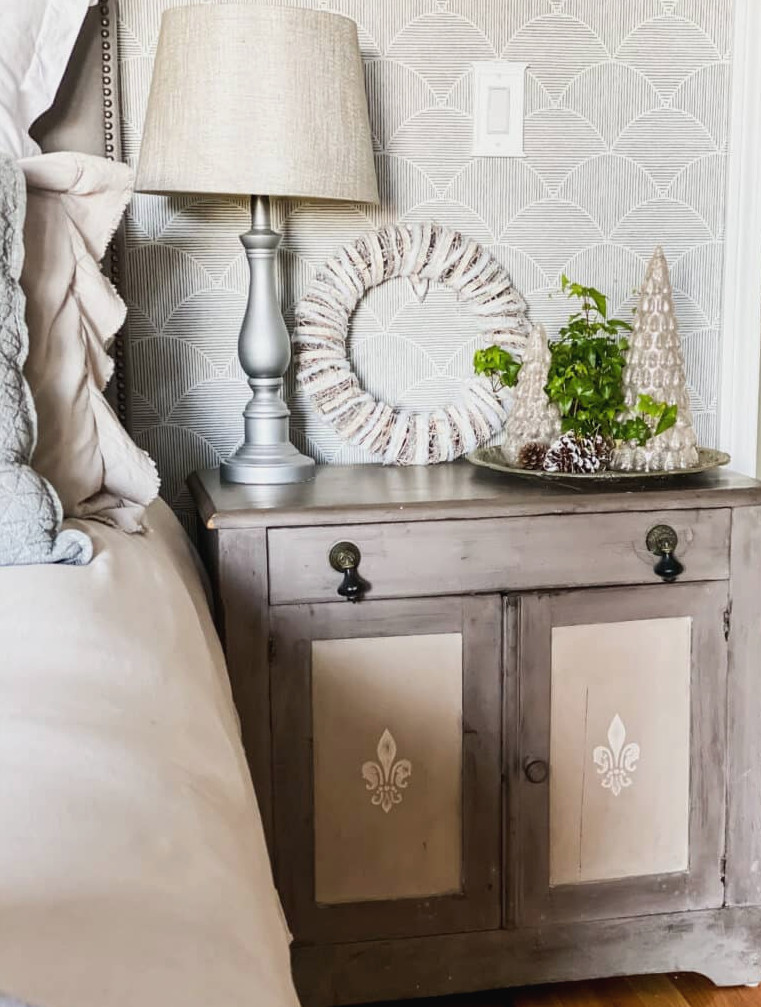
Here’s the main thing I want you to know about shopping secondhand for furniture: at a similar price, you’re almost always finding superior quality compared with buying new. That $15 cabinet? Made from solid wood. Finished with genuine hardware. With a little care, it can easily last another fifty years. The $79 nightstand from a large retail chain? It’s likely particleboard and veneer that may begin peeling after only a few years. Choosing pre-owned wooden furniture truly means upgrading in quality, not settling for less. You’re simply spending wisely.
What to Notice When Searching for Secondhand Furniture
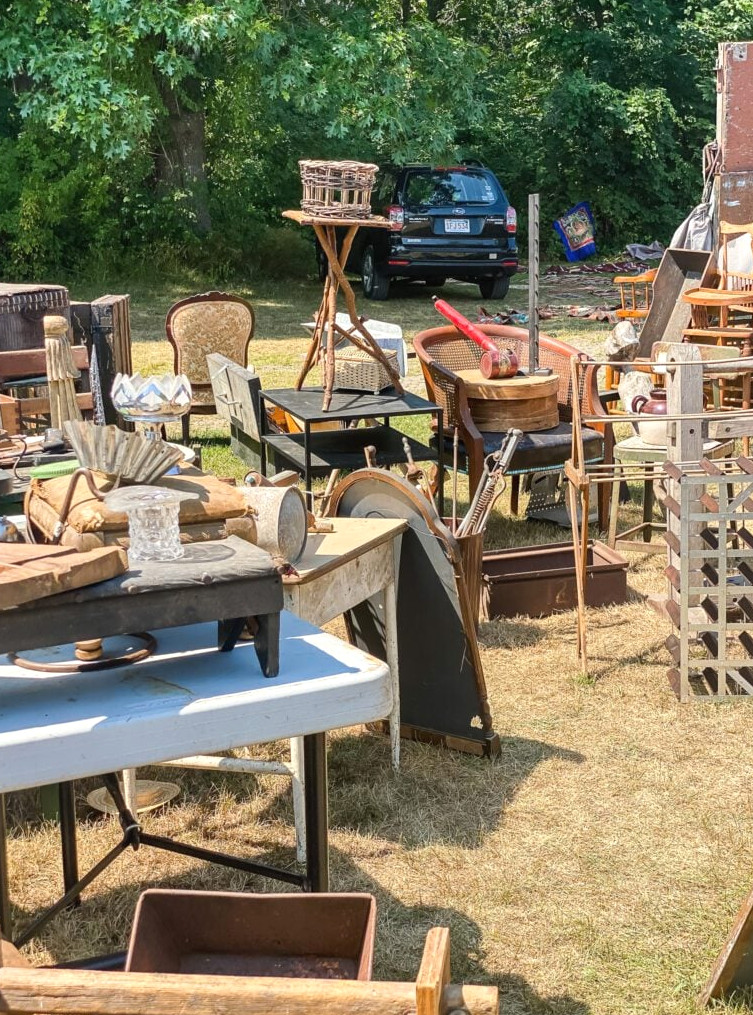
Not every used piece is a hidden treasure. Some are simply worn-out finds. Here’s what I pay attention to while searching:
- Solid wood: Tap on it, check its heft, and examine the edges. Genuine wood displays visible grain and feels sturdy. Particleboard is lightweight, sounds hollow, and commonly reveals a distinctive layered edge. Solid wood can be painted, sanded, and refinished. Particleboard cannot.
- Good bones: Is the piece stable and well-built? Do the drawers slide properly? Are the doors aligned? Loose joints can frequently be repaired with wood glue and a clamp — but the underlying structure must be solid. Ignore the outer finish for a moment and ask yourself: was this item made well?
- Interesting hardware: The original fittings on older furniture are often gorgeous and impossible to duplicate. Brass pulls, ceramic knobs, cast iron hinges-these small features bring genuine personality to a piece. Even when the hardware needs a good cleaning or polish, don’t dismiss the furniture simply because it looks lackluster. A little Brasso can make a remarkable difference.
- Interesting shapes: I’m consistently attracted to furniture with an uncommon outline: a curved leg, an unusual scale, or a feature that rarely appears in today’s new furniture. These are the pieces that spark conversation when guests enter a room.
- Ignore the finish entirely: Honestly, it makes no difference. The color, the stain, the dated glaze none of it is important. Paint is inexpensive, and chalk paint needs very little preparation. I have never rejected a well-constructed piece simply because its finish was unattractive. That is always the simplest detail to change.
The corner hutch in my modest dining space is another favorite. Its backstory is one I especially enjoy. The former homeowners left it behind, and it was sitting in the basement when we arrived. It had been covered in that extremely dark, unmistakably 1980s wood stain that you either recognize immediately or have never encountered at a New England estate sale.
During the last eight years, it has worn several different colors as the room changed around it, but today it is enjoying its best look yet in a rich, atmospheric green, and I adore it. To make it feel a bit more current, I replaced the original glass panels with caning, giving it the gathered, gently vintage character I enjoy so much.
A furnishing that came with the house, cost me nothing, and has become one of my favorite pieces inside it. That really says it all.
Thrift shops are not a fallback option for those who cannot purchase new furniture. They are imaginative spaces for people with a discerning eye and the willingness to wait. Once you begin looking at them that way, you’ll never pass a yard sale without pulling over again.
Take my word for it.
Pillar #2: Create It Yourself
I ama frugal New England Yankee to the core. And if one saying has subtly shaped my entire creative journey, it’s this: I can create that myself.
It began out of necessity and eventually grew into a way of thinking. When I became enamored with the beautiful textured vases and vessels at Pottery Barn and Restoration Hardware—the ones with their layered, timeworn, almost-straight-from-an-Italian-farmhouse appearance—I did what any true Yankee would do. I checked the price, firmly said no, and set out to learn how to make one myself.
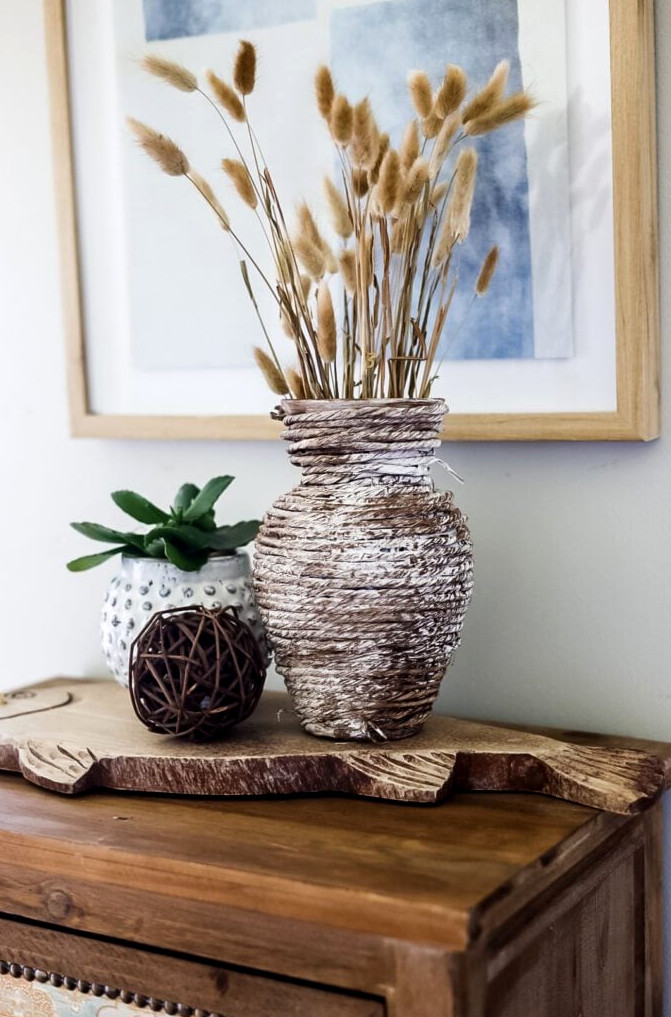
The very first DIY lookalike tutorial I shared on this blog in 2021 was precisely that: a thrifted glass vase revamped with joint compound and coats of chalk paint until it looked like it truly belonged on a Pottery Barn shelf. It costs less than $10 to create, while the original sells for nearly $100. That vase remains in my home today, displayed on my TV console, and I adore it just as much as I did when I completed it. You can find the full tutorial right here.
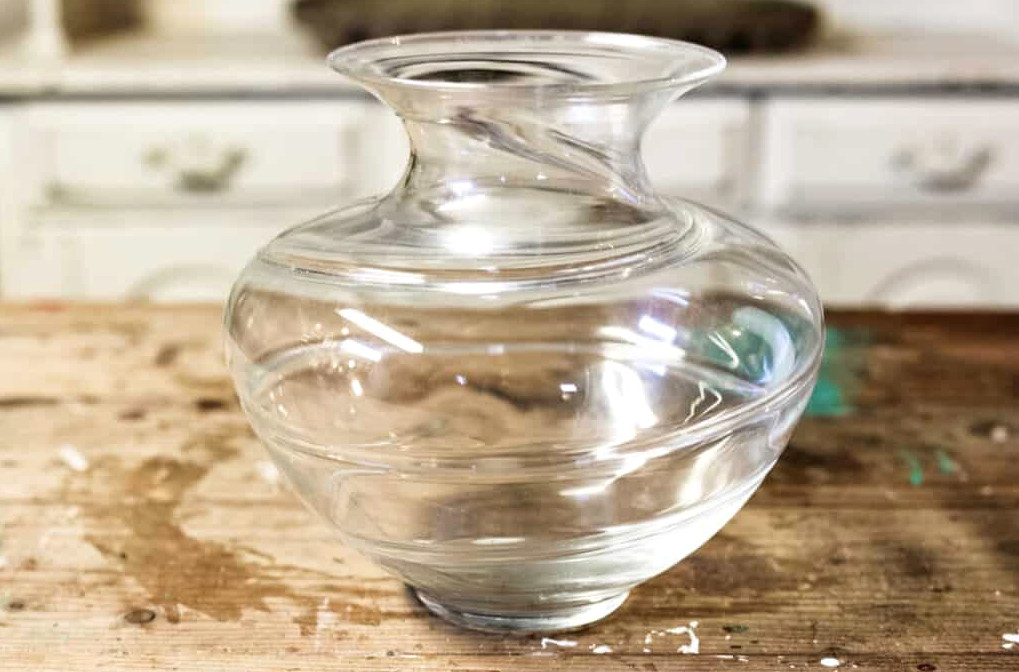

That project changed everything for me. It was when I understood that the distance between “items I admire in pricey shops” and “items I can actually enjoy in my home” could largely be bridged with a thrift store treasure, a bit of paint, and the courage to experiment. The Pottery Barn look wasn’t unattainable after all. I simply needed to discover the method.
That, at its heart, is what this pillar represents. It’s about more than cutting costs, although of course that is a wonderful benefit; it’s about the profound fulfillment of creating something with your own hands. There’s a unique sense of accomplishment in seeing an object in your home and knowing you made it yourself. No algorithm selected it for you. No influencer opened the box. You created it, and it belongs completely to you.
I do want to clarify one thing, though: DIY does not need to be elaborate. I’m not a woodworker, and I have no desire to operate a table saw—they frighten me! The kind of DIY I enjoy is approachable, imaginative, and realistic: air-dry clay crafts, pressed flower artwork, painted furnishings, grapevine wreaths packed with dried garden flowers, and thrift store vases updated with a putty knife and a little chalk paint. These are projects that call for more creativity than machinery. That’s exactly where I feel most at home.
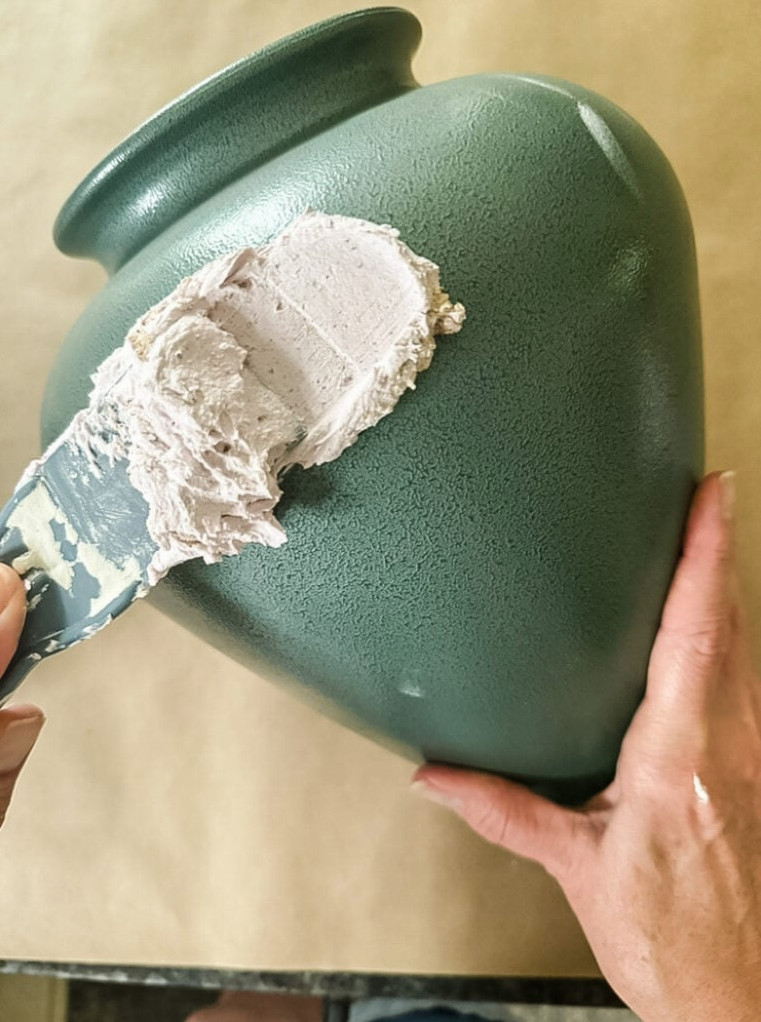
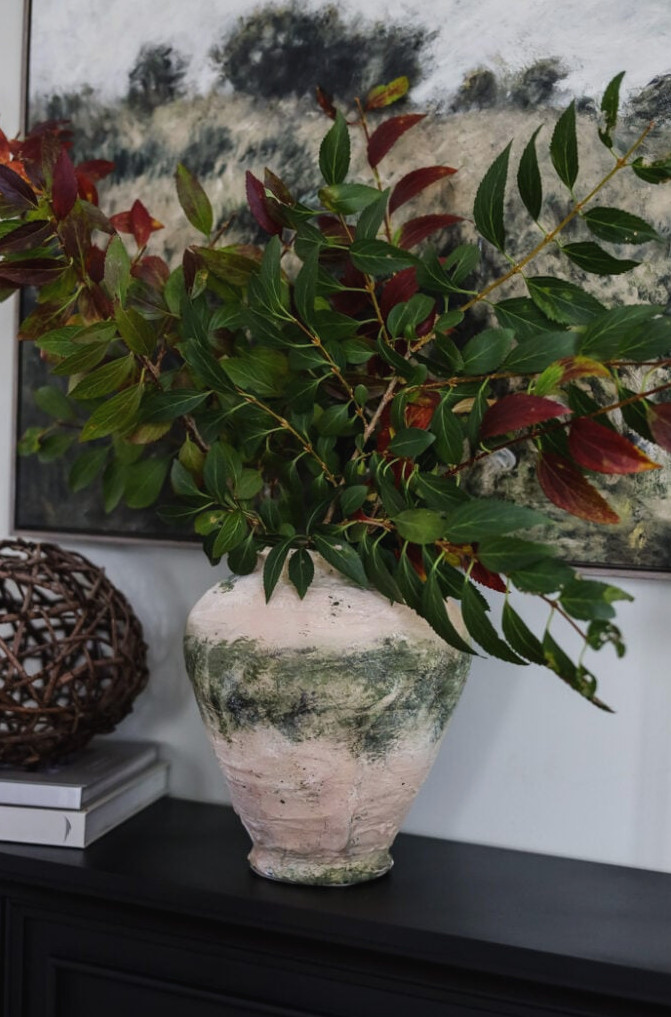
Before purchasing anything decorative, I always ask myself one straightforward question: could I create a version of this that I would cherish just as much? More often than not, the answer is yes. The piece I make is invariably more distinctive, more meaningful, and more rewarding than anything I could have bought with a single click.
Recreating the Feel
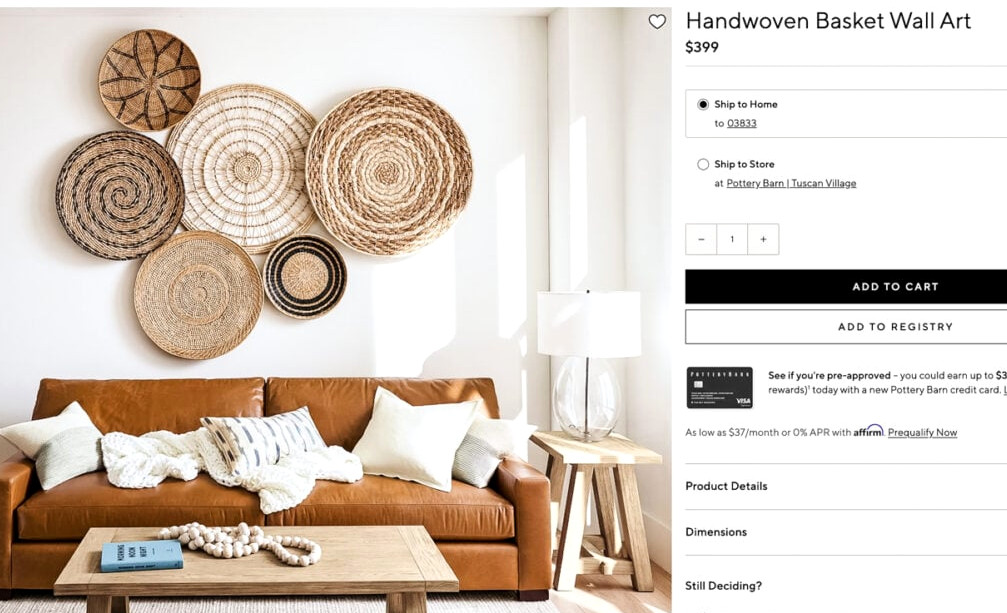
Creating something yourself doesn’t necessarily require duplicating a particular item detail by detail. At times, it means studying a catalog spread or shop display and posing a new question: what draws me to this, and how can I bring that same mood into my home at a much lower cost?
That calls for an entirely different kind of creativity, and truthfully, it’s one I enjoy even more. It involves recognizing what appeals to you—the texture, the coziness, the proportions, or the combination of materials—and then discovering or crafting your own interpretation that conveys the same atmosphere without copying it exactly.
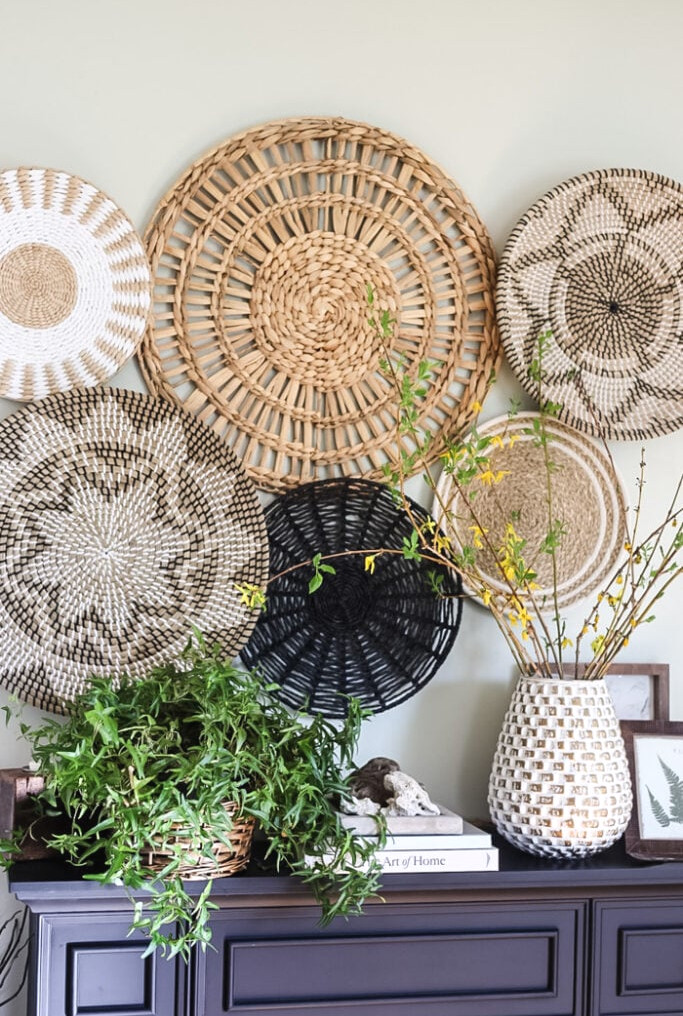
My woven basket wall is an ideal illustration. I came across a stunning arrangement in a particular upscale catalog—you know the one—and it cost almost $400. Rather than leaving discouraged, I treated it as an invitation to get creative. What exactly appealed to me about the display? The layered surfaces, natural warmth, varied dimensions, and assortment of weaves. Equipped
with that in mind, I made my way to Hobby Lobby during one of their 50% off promotions and created my own take for roughly $65. Is it a perfect match for the catalog design? No. Is it better? More meaningful, more intriguing, more distinctly mine? Without question. You can see the full process right here.
This is the skill I want you to build: learning to see beyond an expensive, beautiful object and recreate the emotion it evokes instead. That perspective will benefit you in every room of your home for years to come.
Pillar #3: Bring The Outside In
My mother planted peonies in rows.
I can still see them clearly: those enormous, full, wonderfully fragrant blossoms in every tone of pink and white, arranged throughout her garden as though they ruled the space. Being raised by a mother who loved gardening meant living in a home where flowers were always present. A vase on the table, something freshly gathered from outdoors, with the inside and outside of our house quietly connected. I didn’t realize it at the time, but my entire approach to decorating was taking shape, one peony after another.
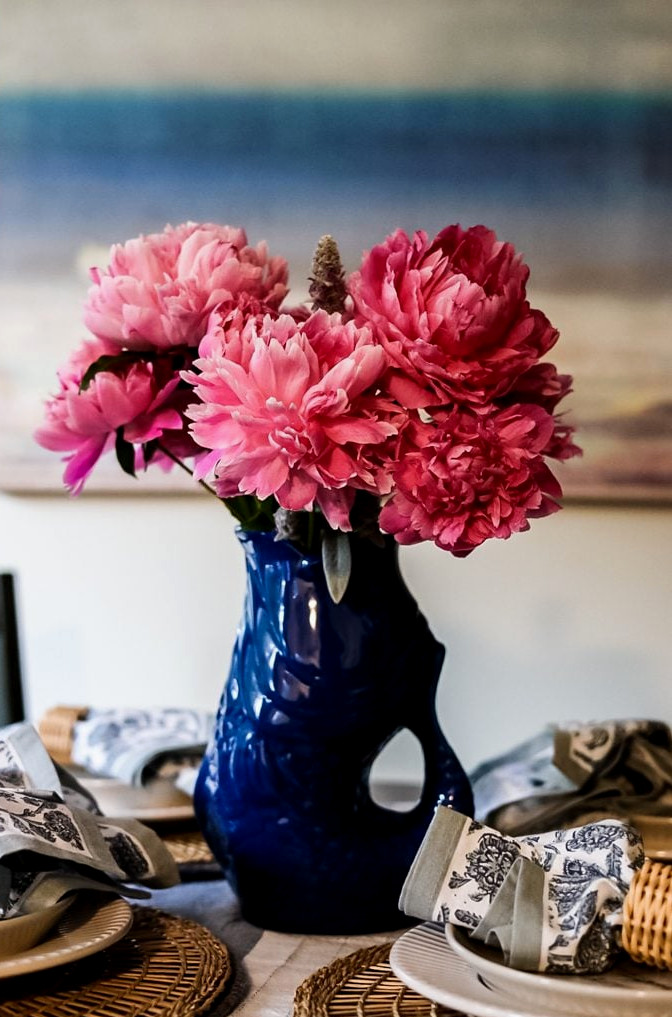
Once I had a home and garden of my own, well before I created a designated cut flower garden, when I only had a perennial garden, I planted my first peonies. On the June morning when I snipped those initial blooms and carried them indoors, I already knew their destination. It wouldn’t be the kitchen table. We had 4 energetic boys then, and a vase filled with peonies on the table might have survived for about four minutes. Instead, I placed them on the windowsill beside the sink, where I could admire them while washing dishes and where no one would accidentally knock them to the floor.
That vase beside the sink, that modest and deeply personal choice to bring something I had cultivated myself into my home, captures the entire pillar in a single picture. It wasn’t a carefully styled scene. It wasn’t made for content. They were simply flowers I had grown, arranged in a vase I cherished, positioned where I felt happiest. Yet the entire kitchen seemed transformed. Livelier. More personal.
That sensation never faded. It only expanded…quite literally.
In 2023, I intentionally moved away from faux florals altogether and committed fully to a real, garden-to-home way of living. If you’ve followed this blog since its beginning, you may recall a different iteration. At that point, I used artificial flowers and greenery often, and there’s nothing wrong with that; it reflected where I was then. But after I began raising my own cut flowers and showing what it truly meant to bring the garden indoors, I never returned to the old way. Not even once.

The cut flower garden transformed everything. By cultivating strawflowers, sweet peas, zinnias, gomphrena, and sunflowers specifically for indoor arrangements, I can keep something fresh and living in my home from the season’s first Spring cutting through winter’s final dried display. Once the fresh blooms disappear for the year, the dried arrangements step in. Strawflowers tucked into a small ceramic vase. A cluster of bunny tail grass resting on the mantel. Pressed flowers mounted in frames on the wall. The garden continues to offer something even after the growing season has ended.
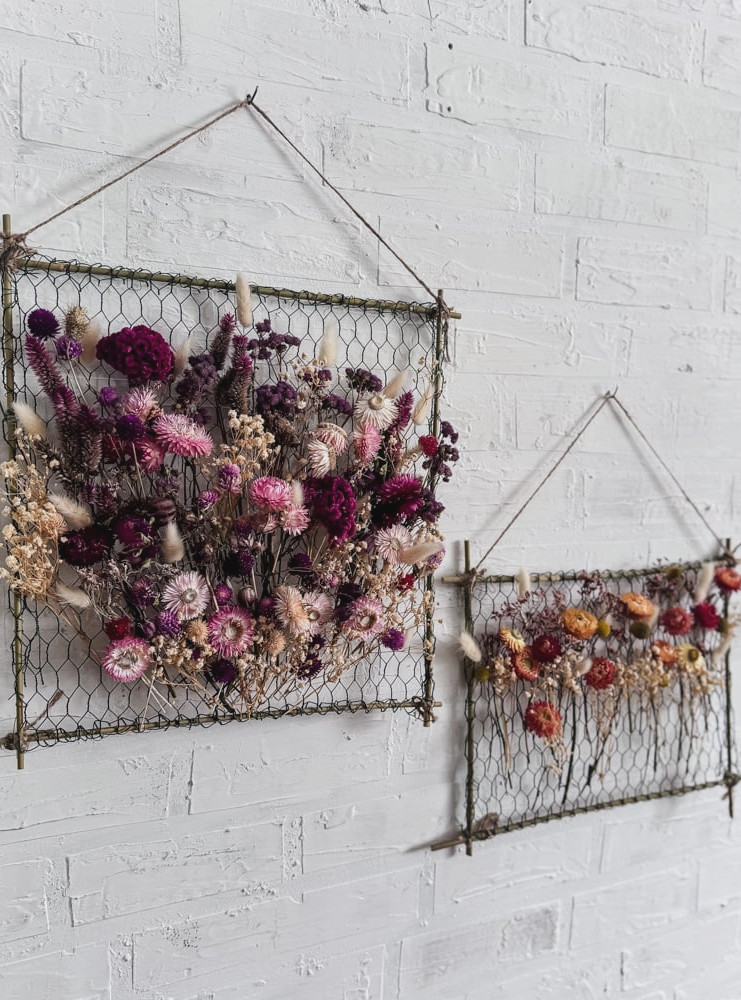
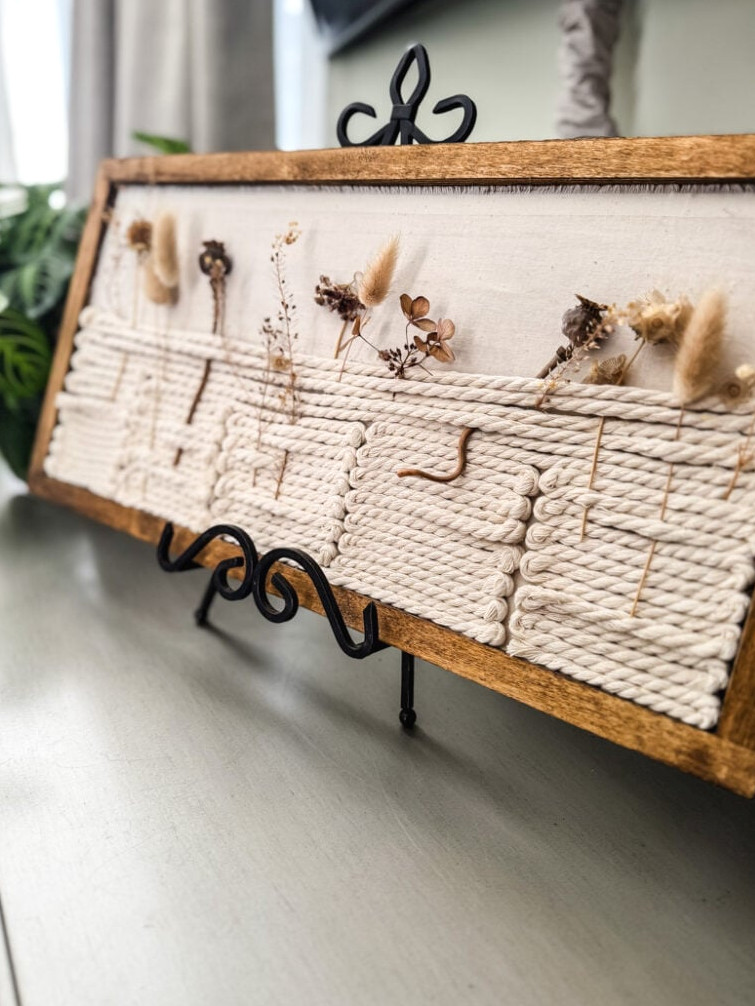
But this is what I most want you to understand, particularly if you don’t have a garden: you can embrace this pillar without owning one. A single bunch of tulips from a farmers’ market or the grocery store can do exactly what those peonies beside my sink did for me: it brings a sense of life into a room in a way that nothing manufactured ever fully can. Set a forced hyacinth bulb on a windowsill in February. Cut a forsythia branch before it blossoms and place it indoors to open in a vase of warm water. Gather a few pine needles in a small jar. Arrange a bowl of citrus fruit on the counter.
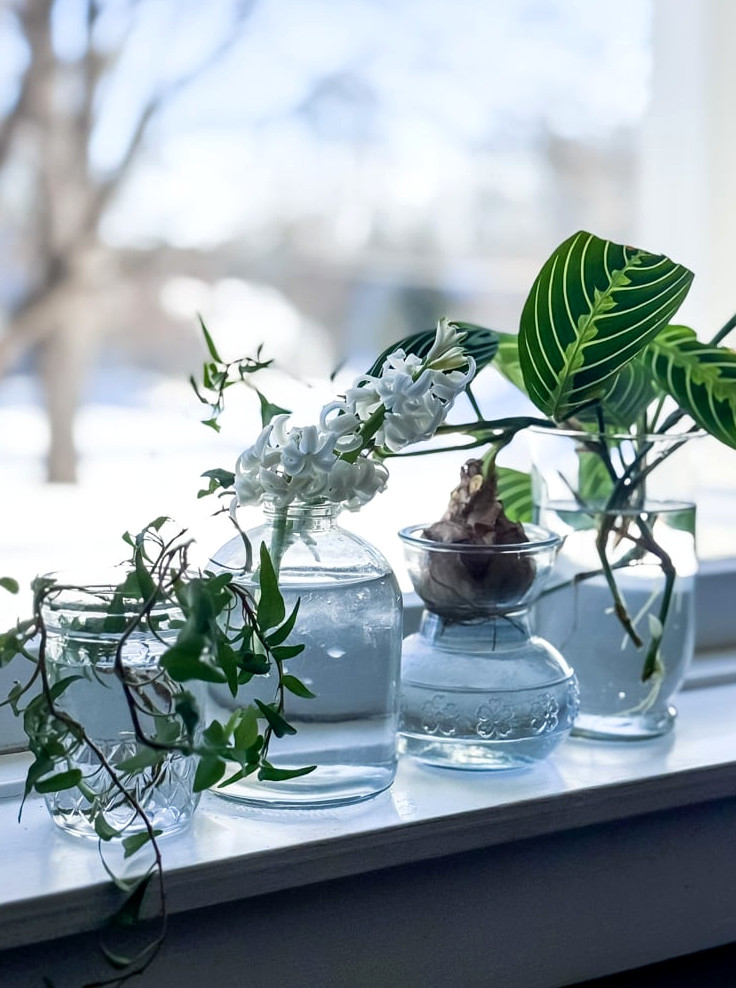
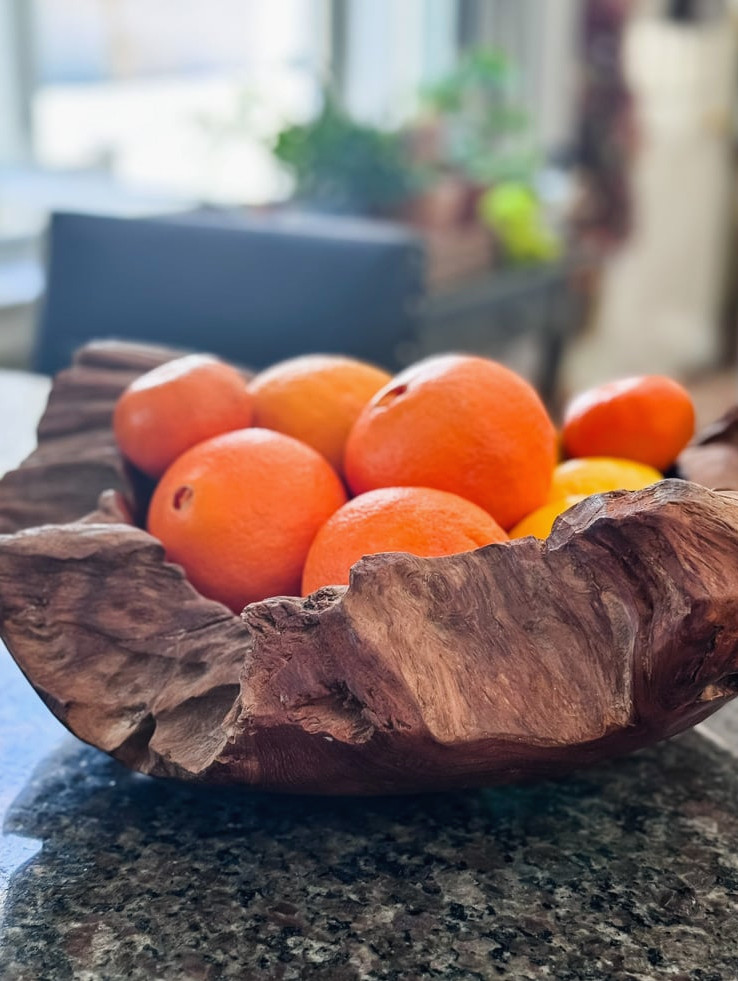
The outdoors is overflowing with things ready to be brought inside. You only need to begin noticing them.
And after you do, you’ll never want to choose a plastic stem again. I promise.
Pillar #4: Shop Your Own Home First
Here’s the most cost-conscious decorating secret I know, and it requires absolutelynothing: tour your own home before you even open a browser.
I’ve followed this habit my whole life. In every apartment, room, and home I’ve ever occupied, I’ve routinely shifted, updated, and reimagined things without making one visit to a shop. That’s simply how my mind operates! I don’t view a room as a permanent setup of belongings, but as a group of possibilities that can be rearranged in countless ways. A lamp that has spent two years in the bedroom could be precisely what the living room needs. A painting that seemed out of place in the hallway may look ideal over the mantel. A basket hidden away in a closet could resolve the awkward corner you never quite figured out.
This isn’t a decorating method I picked up from a book or article. It’s something I’ve naturally practiced since my first apartment. Before I ever had a blog, before I grew cut flowers, and before I had a decorating philosophy I could put into words, I was rearranging things. All the time. With complete enjoyment. I understood that changing the layout of belongings I already had could make a room seem entirely different.
Six unique styles. One bookcase. No shopping required.
Scroll through to discover how I’ve arranged this living room bookcase throughout the years: the same foundation, but a new feeling every time. A few items appear again and again, others come from different rooms, and nearly everything was purchased secondhand. This is precisely what I mean when I say your home already contains what it needs. Often, it simply takes a new perspective to notice it.
The beauty of this method is that it also helps reveal what you truly appreciate. When you pause and take an honest look at your belongings, not by asking “what should I purchase?” but instead “what do I already own?” your perspective begins to shift. That thrifted ceramic you’ve passed countless times may suddenly seem perfect in a brighter, newly chosen location. The books stacked in your office may turn out to be exactly the finishing touch your coffee table was missing.
You aren’t only giving your room a refresh. You’re seeing it all over again.
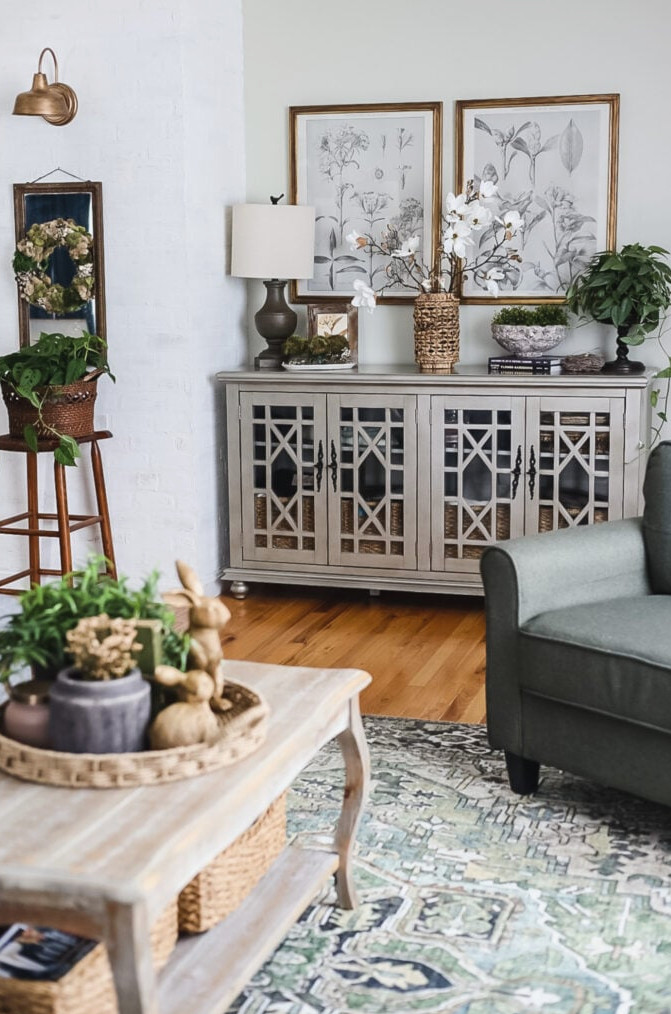
I refer to it as shopping your home, and I truly think it’s among the most powerful things you can do for a room and for your connection to the belongings you already possess. Before bringing in anything else, make full use of what you have. Shift it, turn it around, give it another purpose, or try it in a completely different room. You may be surprised by what you uncover.
If the room still feels unfinished after that? Wonderful. You now understand precisely what it lacks, allowing you to search for it thoughtfully instead of buying impulsively and ending up with a space that still feels off.
The 24-hour waiting period I mentioned in my Mindful Home Manifesto begins with walking through your own rooms before picking up your phone. In most cases, the solution is already somewhere in your house. It’s simply waiting for you to notice it differently.
Pillar #5: Purchase Slowly, Choose Intentionally
I want to make one point perfectly clear: this philosophy does not mean you should stop spending altogether. I’m not a minimalist. I have no desire to live in an empty white room with a single significant item on a shelf. I enjoy things…beautiful, unusual, thoughtfully gathered things. I simply want them to be the proper things.
And that difference between careless consumption and thoughtful spending changes everything.
Last year, I treated myself to a Magnolia rug for the living room. It’s plush and wonderfully luxurious, and whenever I step onto it, I feel certain I made a great decision. Do I regret buying it for even a moment? Not at all. But this is important: I waited. I kept an eye on it. I held off until it was discounted, then an extra percentage was taken off, and then I purchased it. That kind of patience isn’t going without. It’s simply making a wise choice about something you truly desire.
The same principle works with my Pottery Barn pillow covers. Yes, I own them- two gorgeous patterned covers that perfectly ground my sectional. But the other pillows on the sofa? Every one was an affordable find. The expensive pieces and the budget choices coexist beautifully because the splurge was deliberate and the less expensive items were selected with care. No one can distinguish between them. That’s exactly the point.
There are certain areas where I’ll gladly pay more. High-quality bed linens are one, since you spend roughly a third of your life in bed, and fine linen becomes softer and lovelier with every wash. That’s the very meaning of a valuable investment. Unique finds from local stores or artists are another, because purchasing something created by someone in your community means more than decorating your home: you’re encouraging a maker, preserving a story, and adding something truly singular to your surroundings. An algorithm didn’t suggest it. An influencer didn’t reveal it from a box. You discovered it on your own, and that gives it significance.
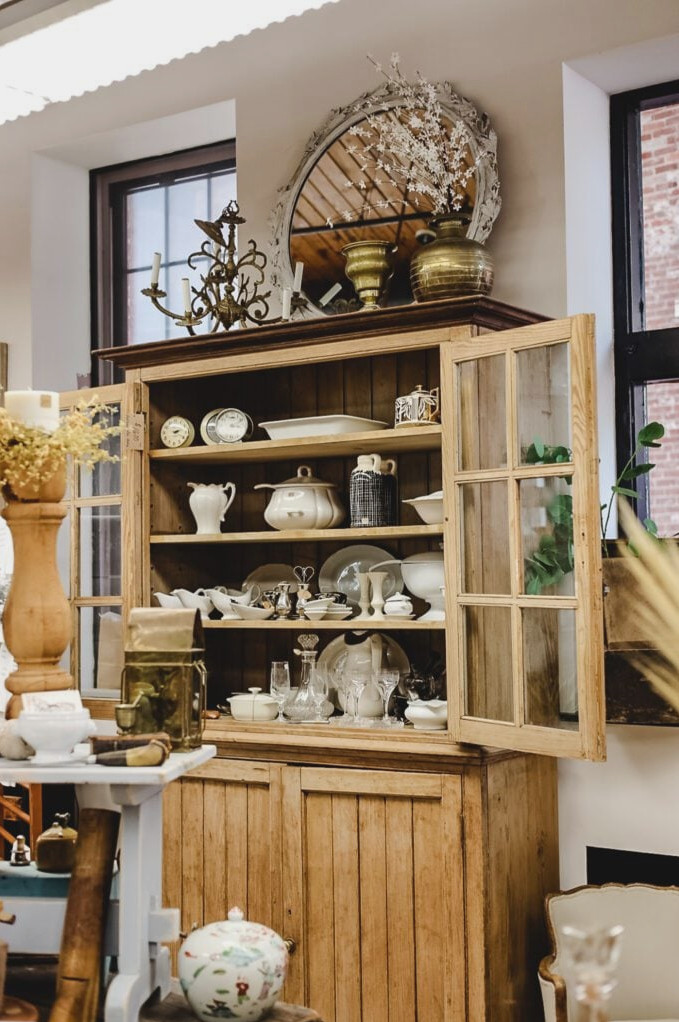
I think of this as the soul-awakening splurge rule: when something truly makes you stop, whether it’s artwork, a mug shaped by hand, an old quilt, or a rug that feels like walking across a cloud, and you already know where it belongs in your home, purchase it. Do so freely and without second-guessing. Life is far too brief for a home filled with timid beige compromises.
The point was never “don’t spend money.” It’s “use your money on what genuinely holds meaning for you.”There is an enormous distinction between those two statements, and learning how to recognize it will permanently change the way you shop.
Before I make any purchase, large or small, I ask myself one simple question: Will I still love this five years from now? When the truthful answer is yes, I go ahead and buy it. If I feel even slightly unsure, I wait. That pause, sometimes only 24 hours, has spared me countless regrettable purchases and made the things I did choose feel much more special.
Pillar #6: Welcome the Imperfect & Collected
If you stepped into my home searching for a “perfectly curated” spot—the one styled corner that appears to have come directly from a photoshoot—you would struggle to find it. That isn’t because my home lacks beauty. I believe it has plenty. It simply doesn’t resemble a catalog, nor was it ever intended to.
Instead, it feels like a home that has been lived in, cherished, and gradually created over many years by someone with a discerning eye and no desire whatsoever to discard everything and begin again whenever a fresh trend appears.
That is entirely intentional. It is the essence of the idea.
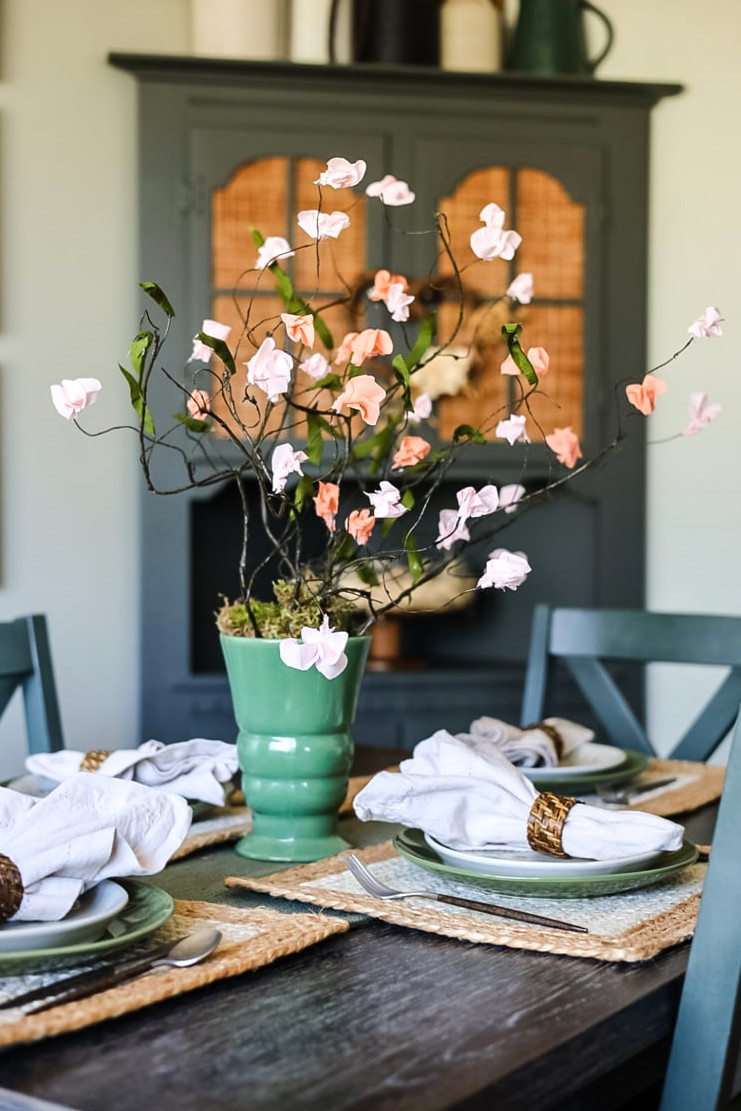
There’s the corner hutch that came with the house, repainted through multiple transformations before settling into the ideal moody green. There’s the secondhand nightstand with its original hardware, the kind no one manufactures anymore. Then there’s the $15 cabinet that now appears perfectly suited to a French farmhouse. And the bookcase, repeatedly styled with the same treasured pieces rearranged in ways that make it seem entirely fresh. None of these items is flawless. Every one of them feels just right.
DIY Gallery Wall Guide
This is what I now understand about the “imperfect and collected” aesthetic: you cannot buy it in one go. At least, not all at once. It develops as pieces enter your life from various places and at separate moments—a yard sale one day, a thrift shop another, an heirloom from a relative, or something you created yourself during a rainy Saturday afternoon. A room gains its character from this collection of stories. You sense it as soon as you walk through the door, even when you can’t explain exactly what you’re feeling.
That’s why I’ll consistently pick the thrifted ceramic with its slightly irregular glaze instead of the mass-produced version designed to imitate an “artisan look.” It’s why last summer’s garden hydrangeas appeal to me more than a polyester stem from a big-box retailer. And it’s why I hold on to the well-worn cotton throw that has grown wonderfully soft through countless washes rather than exchange it for a spotless new one. These pieces carry patina. They carry memories. They give a room the feeling of being occupied instead of staged.
Home decor culture and social media especially encourage us to believe that our houses should appear finished. Entirely complete. Impeccable. As though every object arrived together on one truck from one store on the same Tuesday, then was positioned by someone who has never truly lived in the space.
Yet a house that appears completely finished is not really a home. It is a showroom.
In genuine homes, the book you’re reading sits on the coffee table. The throw has been tugged aside because someone was genuinely chilly. The mantel display is a little uneven because you shifted something to fit a vase of garden cuttings and never put it back. Those aren’t imperfections. They are signs of a life being lived in a beautiful, untidy, wonderfully human way.
Welcome them. Every last one.
This Is the Way I’ve Always Done It
We’ve traveled through quite a bit in this post: six pillars, an entire lifetime of decorating beliefs, and one wicker rocking chair carried home above the head of a woman in her twenties who had no idea she was establishing the basis for everything that would come afterward.
But this is the main thing I hope you remember:
This approach didn’t come from a book, nor did I adopt it after discovering a decorating blog. It isn’t a current fashion I’m chasing or a recently discovered philosophy I decided to test. It is simply how I have always created a home: intuitively, happily, and with the strong conviction that beautiful spaces take shape gradually and deliberately, using things that genuinely hold meaning for you.
The wicker rocker that began everything? It remains the most unmistakably “me” purchase I’ve ever made. It was impractical, secondhand, and deeply cherished. Looking back, that single chair embodied all six pillars before I even knew how to describe them. I found it secondhand. I selected it thoughtfully instead of buying on impulse. It was imperfect, individual, and thoroughly collected, even when it was the only object in the room.

The four-year-old girl pictured above, carefully arranging dried flowers inside a found glass bottle on a little table, understood that as well. This was long before blogs, Instagram, slow decorating, mindful homes, or anti-haul lists became common conversation. She simply recognized that a beautiful bottle holding something beautiful could brighten a small part of the world. She also understood that nothing expensive or unusual was required to create that feeling.
It seems some things truly remain the same.
If you’re new here, welcome! I’m delighted that you discovered this small corner of the internet. This post is an ideal starting point, though there is plenty more for you to explore. I’d particularly enjoy having you read my Mindful Home Manifesto, where I explain more deeply the why behind everything I do here. And if the anti-haul perspective spoke to you, my post about what I’m not purchasing for my home in 2026 should seem especially familiar.
If you’ve been here for some time, thank you. You’vewatched this transform in real time, evolving from a different style and an earlier version of this blog into something that now feels entirely and genuinely mine. I never take that devotion for granted.
Now I’d really like to hear from you: which of these six principles connects most with where you currently are in your own home? Are you naturally drawn to thrifting? A dedicated DIY enthusiast? Or perhaps someone beginning to consider browsing your home before reaching for your phone? Share your answer in the comments—there are no incorrect responses, and I truly want to hear from you.
Here’s to creating homes filled with soul, not simply possessions.
xo, Jennifer
Enjoy projects like this?Make sure you don’t miss out! Become part of my newsletter familyfor more warm, wallet-friendly DIY inspiration sent directly to your inbox. You’ll receive special tips, advance tutorial access, and plenty of ideas to help your home feel personal and full of heart.

top rug alternatives
designer rug comparison
my favorite discoveries
Thrift Shop Styling
My Top Concepts
thrifted & Retro: